A Complete Guide to Africa’s Untamed Wilderness
The Congo wildlife destination offers one of Africa’s most extraordinary and adventurous travel experiences. From vast tropical rainforests and active volcanoes to mountain gorillas, forest elephants, chimpanzees, and rare okapis, the is home to some of the continent’s most remarkable wildlife and natural landscapes.
For travelers looking beyond traditional African safari destinations, Congo provides an opportunity to explore remote wilderness areas where nature remains largely untouched.
The country is dominated by the immense Congo Basin rainforest, one of the world’s most important ecosystems and a vital refuge for thousands of plant and animal species.
A journey through this remarkable Congo wildlife destination can include gorilla trekking in Virunga National Park, exploring the forests of Kahuzi Biega National Park, searching for rare wildlife, meeting local communities, and experiencing landscapes that few international travelers have witnessed.
Whether you are a passionate wildlife enthusiast, an adventurous traveler, a photographer, or someone seeking a truly unique African safari, Congo promises an experience unlike any other.
Why Visit Congo as a Wildlife Destination?
Congo is one of the world’s most biologically diverse countries. Its extensive forests, wetlands, mountains, rivers, and savannahs support an incredible variety of wildlife.
Unlike more established safari destinations, Congo offers travelers a sense of discovery. Many areas remain remote and difficult to access, making a wildlife journey here feel like a genuine expedition.
One of the greatest attractions is the opportunity to encounter endangered primates in their natural habitat. The country is home to mountain gorillas, eastern lowland gorillas, chimpanzees, bonobos, and several species of monkeys.
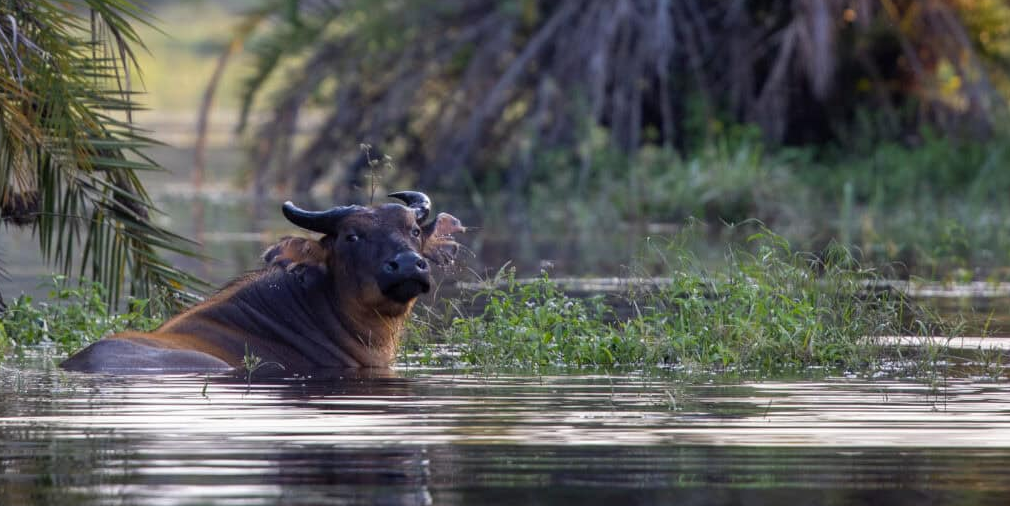
The Congo wildlife destination experience also extends beyond primates. Visitors may encounter forest elephants, buffaloes, hippos, antelopes, and an extraordinary range of bird species.
Congo is also significant from a conservation perspective. Its protected areas provide essential habitats for species threatened by habitat loss, poaching, and other environmental pressures.
Traveling responsibly through these areas can help support conservation programs and local communities while giving visitors an unforgettable connection with Africa’s wilderness.
The Congo Basin Rainforest: A Wildlife Paradise
The Congo Basin is the second-largest tropical rainforest in the world after the Amazon. It stretches across several Central African countries, with the Democratic Republic of Congo containing the largest portion.
This enormous forest ecosystem is one of the planet’s most important natural environments. It plays a major role in regulating the global climate and provides habitat for countless species.
The rainforest is especially important for wildlife lovers because it supports animals that are rarely seen elsewhere.
Among the species found within the Congo Basin are forest elephants, western lowland gorillas, chimpanzees, bonobos, okapis, forest buffaloes, leopards, and numerous species of monkeys.
Birdwatchers can also enjoy remarkable opportunities to observe colorful and unusual forest birds. The dense vegetation creates a unique environment where every trail can reveal something new.
Exploring the Congo Basin is not always easy. Thick vegetation, challenging terrain, and limited infrastructure make some areas difficult to reach. However, these challenges are part of what makes a Congo wildlife adventure so special.
Virunga National Park: A Top Congo Wildlife Destination
Virunga National Park is one of the most famous protected areas in the Democratic Republic of Congo. Located in the eastern part of the country, the park is renowned for its exceptional biodiversity and dramatic landscapes.
Established in 1925, Virunga is Africa’s oldest national park and is recognized as a UNESCO World Heritage Site.
The park’s landscape is remarkably diverse. It includes tropical forests, savannahs, wetlands, alpine areas, and volcanic mountains.
For many visitors, the greatest attraction is mountain gorilla trekking. Virunga is home to a population of endangered mountain gorillas, offering travelers the chance to observe these magnificent primates in their natural environment.
A gorilla trekking experience usually involves hiking through the forest with trained trackers and guides. Once a gorilla family is located, visitors can spend a limited amount of time observing their behavior.
The experience is both exciting and deeply moving. Watching gorillas interact, feed, groom one another, and care for their young provides a rare insight into the lives of one of humanity’s closest relatives.
Virunga also offers opportunities to explore its spectacular volcanic landscapes. Mount Nyiragongo, one of Africa’s most famous active volcanoes, has historically attracted adventurous travelers interested in hiking and dramatic natural scenery.
Because conditions in eastern Congo can change, travelers should always obtain current information about security, park operations, and travel restrictions before planning a visit.
Kahuzi-Biega National Park and Eastern Lowland Gorillas
Kahuzi Biega National Park is another important wildlife destination in the Democratic Republic of Congo.
Located in eastern Congo, the park is famous for protecting the eastern lowland gorilla, also known as Grauer’s gorilla. These gorillas are larger than mountain gorillas and are found primarily in the forests of eastern DRC.
Gorilla trekking in Kahuzi Biega offers a different experience from mountain gorilla trekking in Virunga. The forest environment is different, and the gorilla species encountered is also distinct.
Visitors who trek in the park may spend time hiking through dense tropical vegetation in search of habituated gorilla groups.
The park’s biodiversity extends beyond gorillas. It contains numerous species of mammals, birds, reptiles, and amphibians.
The mountainous landscapes and extensive forests make Kahuzi Biega an excellent choice for travelers interested in combining wildlife viewing with nature exploration.
For those seeking a less conventional Congo wildlife destination, Kahuzi Biega offers an extraordinary opportunity to discover one of Africa’s most important rainforest ecosystems.
Okapi Wildlife, Discovering Congo’s Unique Forest Animal
One of the most fascinating animals associated with the Democratic Republic of Congo is the okapi.
The okapi is a remarkable forest mammal that resembles a combination of a giraffe and a zebra. It has dark brown or reddish coloring on most of its body and distinctive striped markings on its legs.
The animal is endemic to the Democratic Republic of Congo, meaning it is naturally found nowhere else in the world.
Okapis are difficult to observe in the wild because they live in dense rainforest environments and are generally shy and elusive.
The Okapi Wildlife Reserve is one of the most important protected areas for the species. Located within the Congo Basin rainforest, the reserve protects extensive forest habitat and supports a range of other wildlife.
A visit to the region provides travelers with an opportunity to learn about okapi conservation and the importance of protecting Congo’s forests.
For wildlife enthusiasts, the okapi is one of the most compelling reasons to explore Congo.
Bonobos Meeting Congo’s Unique Great Ape
Congo is also the only country in the world where bonobos are naturally found.
Bonobos are great apes closely related to chimpanzees. They are known for their social behavior, intelligence, and complex relationships within their communities.
Unlike mountain gorillas and chimpanzees, bonobos are endemic to the Democratic Republic of Congo.
Visitors interested in seeing bonobos may explore conservation centers and areas dedicated to protecting these remarkable animals.
Bonobo conservation is particularly important because the species faces threats from habitat destruction, hunting, and other human pressures.
Wildlife tourism and conservation programs can play an important role in creating awareness and supporting efforts to protect bonobos and their rainforest habitats.
For travelers interested in primates, discovering the world of bonobos adds another fascinating dimension to a Congo wildlife destination adventure.
Wildlife You Can See in Congo
Congo’s extraordinary biodiversity means that travelers can encounter a wide variety of animals depending on the destination and season.
Some of the wildlife species associated with the country’s protected areas include, Mountain gorillas, Eastern lowland gorillas, Chimpanzees, , Mangabeys, Red-tailed monkeys, numerous bird species, and reptiles and amphibians
Wildlife sightings are never guaranteed, particularly in dense rainforest environments. However, experienced guides and trackers can significantly improve the chances of finding animals.
The unpredictability of rainforest wildlife is part of the adventure. Instead of following predictable game-drive routes, visitors often explore forests on foot, listening for animal calls and looking for tracks, nests, feeding signs, and other clues.
Congo for Birdwatching Enthusiasts
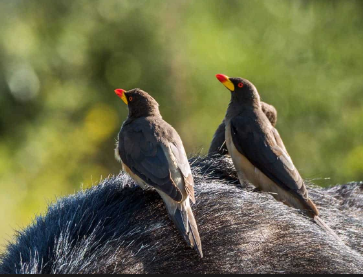
Congo is an exciting destination for birdwatchers because of its enormous range of habitats.
The country’s forests support numerous tropical bird species, including colorful forest birds, raptors, waterbirds, and specialized species associated with the Congo Basin.
Birdwatching can be combined with gorilla trekking, rainforest hiking, and other wildlife activities.
Early morning is often an excellent time for birdwatching because many species are most active during the cooler hours of the day.
Travelers interested in bird photography should bring appropriate equipment and work with knowledgeable local guides who understand bird habitats and behavior.
Because rainforest conditions can be humid and rainy, waterproof bags and protective equipment are recommended for cameras and binoculars.
The Best Time to Visit a Congo Wildlife Destination
The best time to visit Congo depends on the specific region and activities planned.
The country’s tropical climate means that rainfall can occur throughout the year. However, some periods may provide more favorable conditions for trekking and wildlife activities.
Generally, drier periods can make forest trails easier to navigate. However, rain is an important part of the rainforest ecosystem, and wet conditions can contribute to lush vegetation and active wildlife environments.
Travelers should consider the specific national park they intend to visit when planning their trip.
Gorilla trekking can be undertaken in different seasons, but weather conditions may affect hiking difficulty. Rain can make forest trails muddy and slippery, while dry conditions may make trekking more comfortable.
The most important consideration is not only weather but also current park access, security conditions, permits, accommodation availability, and local travel regulations.
What to Expect on a Congo Wildlife Safari
A wildlife adventure in Congo is different from a traditional safari in Kenya or Tanzania.
Instead of spending most of the day driving across open savannahs, visitors may spend considerable time walking through dense forests.
Gorilla trekking is physically demanding and can involve several hours of hiking. The terrain may be steep, muddy, or uneven.
Travelers should be prepared for changing weather conditions and challenging environments.
A typical experience may involve:
- Early morning preparation
- Meeting professional guides and trackers
- Hiking through forest trails
- Searching for animal signs
- Observing wildlife
- Learning about conservation
- Interacting with local communities
- Returning to accommodation after the day’s activities
The experience is often more intimate and adventurous than a conventional game-drive safari.
Responsible Tourism in Congo
Responsible tourism is essential when visiting fragile ecosystems and communities.
Travelers should follow all national park regulations and listen carefully to their guides.
During gorilla trekking, visitors must maintain the required distance from animals and avoid actions that could disturb them.
Visitors should also avoid littering and should respect local communities and cultural practices.
Choosing responsible tourism operators can help ensure that tourism contributes positively to conservation and local livelihoods.
Travelers can support conservation by paying park fees, following wildlife rules, and purchasing services from legitimate local businesses.
The future of Congo’s wildlife depends on the protection of its natural habitats and the cooperation of governments, conservation organizations, local communities, and responsible travelers.
Is Congo Safe for Wildlife Tourism?
Safety is an important consideration when planning travel to the Democratic Republic of Congo.
Some regions of the country have experienced significant security challenges. Conditions can vary considerably between destinations and may change over time.
Travelers should conduct thorough research before booking a trip and obtain current travel advice from their government and trusted local tourism professionals.
It is particularly important to understand the current situation in the specific region you plan to visit.
Visitors should travel with reputable operators who understand local conditions and have established safety procedures.
When conditions allow tourism to operate, following local guidance and traveling with experienced professionals is essential.
How to Plan Your Congo Wildlife Adventure
Planning a wildlife journey to Congo requires careful preparation.
Start by deciding which wildlife experience interests you most. You may want to focus on mountain gorillas, eastern lowland gorillas, okapis, bonobos, rainforest exploration, or a combination of experiences.
Next, research the national parks and conservation areas that offer the experiences you want.
Consider the duration of your trip, transportation arrangements, accommodation, permits, travel insurance, and health requirements.
Because some areas have limited tourism infrastructure, flexibility is important.
It is also advisable to book important services in advance, especially when permits or limited-capacity activities are involved.
A reputable safari operator can help coordinate transportation, accommodation, permits, guides, and other logistics.
What to Pack for a Congo Wildlife Safari
Packing correctly can make your journey more comfortable.
Important items may include:
- Lightweight, breathable clothing
- Long-sleeved shirts and trousers
- Waterproof hiking boots
- Lightweight rain jacket
- Warm layers for cooler mornings
- Insect repellent
- Sunscreen
- Hat
- Binoculars
- Camera and spare batteries
- Waterproof bags
- Personal medication
- Reusable water bottle
- Small backpack
- Basic first-aid supplies
For gorilla trekking, comfortable hiking footwear is especially important.
Neutral-colored clothing is generally recommended for wildlife activities because it helps travelers blend into the natural environment.
Your tour operator should provide specific packing advice based on the destination and season.
Why Congo Should Be on Your African Travel List
Congo is not a conventional African safari destination. It is a destination for travelers who want to experience something different.
The country offers some of Africa’s most extraordinary wildlife encounters, including mountain gorillas, eastern lowland gorillas, bonobos, chimpanzees, and the elusive okapi.
Its rainforests are among the most important ecosystems on Earth, while its volcanic landscapes and remote wilderness areas create unforgettable scenery.
A Congo wildlife destination adventure can be challenging, but that is precisely what makes it so rewarding.
The journey offers travelers the opportunity to step away from heavily visited safari routes and discover a part of Africa where nature remains powerful, wild, and deeply inspiring.
For wildlife lovers, photographers, conservation enthusiasts, and adventurous travelers, Congo represents an opportunity to experience one of the world’s great wilderness destinations.
Plan Your Congo Wildlife Destination Adventure
Exploring Congo requires thoughtful planning, local knowledge, and careful attention to current travel conditions. From gorilla trekking and rainforest exploration to discovering rare species such as the okapi and bonobo, the country offers extraordinary experiences for travelers seeking an authentic African adventure.
If you are considering a Congo wildlife destination safari, begin by identifying the wildlife experiences you want to enjoy and the protected areas that offer them. Work with an experienced safari operator to arrange permits, transportation, accommodation, guides, and other essential services.
With the right preparation, a journey into Congo’s wilderness can become one of the most memorable wildlife adventures of your life.