Camping Equipment Rental Uganda: Everything You Need for the Perfect Safari
Paul arrived in Entebbe with one carry-on bag.
He had a gorilla trekking permit. He had a self-drive 4WD booked. He had a rough itinerary covering Bwindi, Queen Elizabeth National Park, and Murchison Falls. However, he had absolutely no camping gear.
He called us from the airport.
“Tell me you have camping equipment rental in Uganda,” he said.
We did. And two hours later, Paul was loading a full camping kit into his vehicle, tent, sleeping bag, mat, cooking equipment, camp chairs, headtorch, and water filter, and heading west toward Bwindi.
Camping equipment rental in Uganda is one of the most practical and most underused services available to self-drive safari travellers. It turns an expensive equipment purchase or a heavy international baggage problem into a simple, affordable solution. Furthermore, it opens access to Uganda’s network of national park campsites, some of the finest and most affordable wildlife experiences in the country.
This guide covers everything you need to know. We explain what to rent, where to find it, what it costs, and how to combine camping equipment rental with Uganda’s best safari experiences.
Why Camping Equipment Rental in Uganda Makes Sense
Camping in Uganda’s national parks is not roughing it for its own sake. It is a genuinely strategic safari choice.
The cost advantage is significant. Uganda Wildlife Authority campsites charge approximately $20–$45 per person per night. By comparison, budget lodges start at $50–$80 and mid-range properties at $120+. Consequently, camping reduces accommodation costs dramatically across a multi-day safari.
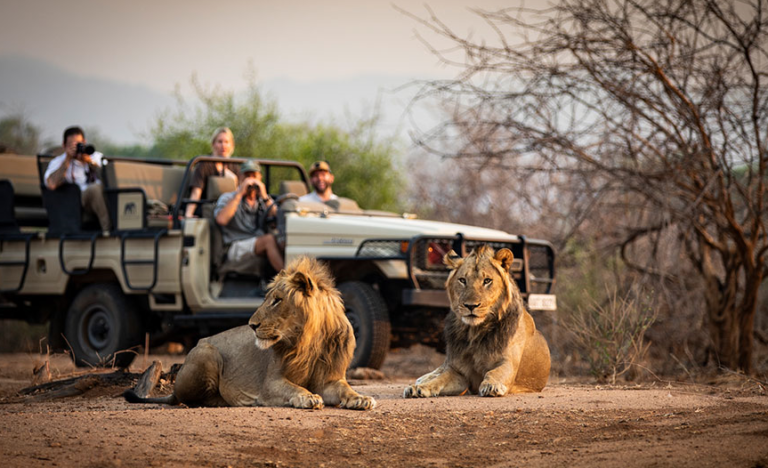
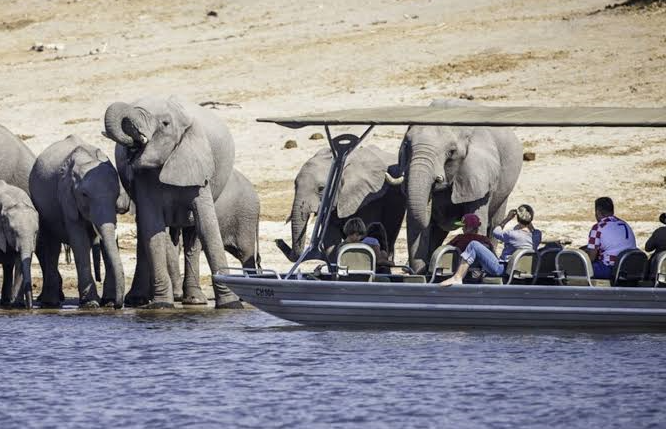
The wildlife access is exceptional. Many of Uganda’s national park campsites sit inside or directly adjacent to park boundaries. Therefore, wildlife is frequently encountered at the campsite itself. Elephant, buffalo, and various antelope species regularly move through campsites at Queen Elizabeth and Murchison Falls.
The experience is genuinely memorable. Sleeping in a tent while lions call in the distance or hippos splash in a nearby river is an experience that no lodge, however comfortable, can replicate.
Renting eliminates the logistical problem. Good camping gear is heavy and bulky. International flights impose strict baggage limits. Additionally, purchasing quality gear in Uganda for a single trip is expensive and wasteful. Rental solves all three problems simultaneously.
What Camping Equipment Rental in Uganda Typically Includes
A good camping equipment rental Uganda package covers every item needed for comfortable, safe camping in Uganda’s national parks. Here is the standard inventory.
Shelter and Sleeping
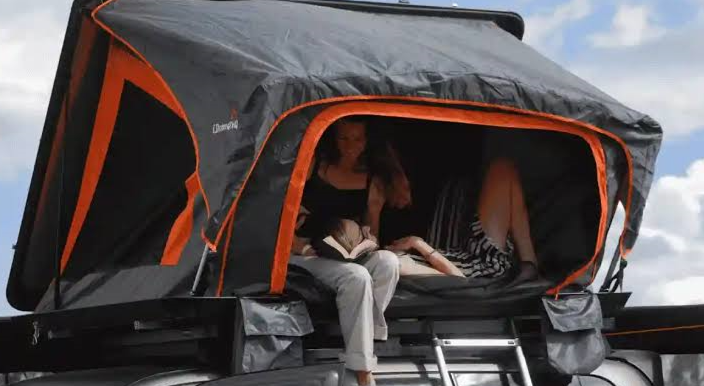
Tent: A quality two-person dome tent with full waterproof flysheet and groundsheet. Uganda receives significant rainfall, particularly in the wet season, so waterproofing is non-negotiable. Additionally, a good tent needs strong pegs for the sometimes-windy highland campsites near Bwindi.
Sleeping bag: A 3-season sleeping bag rated to at least 5°C. Night temperatures in Bwindi and Mgahinga drop significantly. Furthermore, the highland campsites near Kibale can be cold in December and January. A warm sleeping bag is essential rather than optional.
Sleeping mat: Either a foam roll mat or an inflatable mat. The mat provides insulation from the ground as well as cushioning. Inflatable mats are more comfortable but require care with inflation.
Pillow: A compressible camping pillow. Small but significantly improves sleep quality on longer trips.
Cooking and Eating
Gas stove: A portable single or double-burner camping stove with integrated gas canister fitting. Gas canisters are available in Kampala and major Uganda towns. Therefore, resupply on longer circuits is straightforward.
Cooking pot set: A nested set of 2–3 aluminium or stainless pots with lids. Useful for boiling water, cooking rice or pasta, and heating pre-prepared foods.
Frying pan: A lightweight non-stick frying pan for eggs, vegetables, and meat.
Utensil set: Spatula, ladle, and serving spoon.
Cutlery and plates: Camping cutlery and melamine plates for the number of campers.
Mugs: Insulated camping mugs for tea and coffee.
Washing-up basin and brush: A collapsible basin for washing dishes at the campsite water point.
Camp Furniture and Comfort
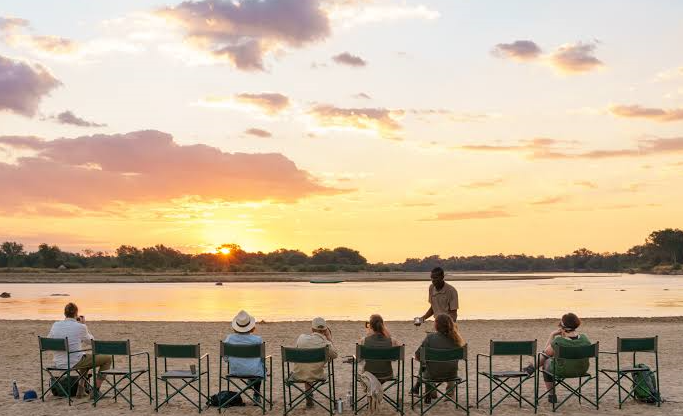
Camp chairs: Folding canvas chairs. Sitting in a proper chair around the campfire is one of the great pleasures of Uganda camping. Consequently, good chairs are worth including even on minimalist kit lists.
Camp table: A lightweight folding table for cooking preparation and eating.
Cooler box: An insulated cool box for perishable food and cold drinks. Ice is available in most Uganda towns. Furthermore, a cold drink after a hot afternoon gorilla trek is not a luxury, it is essential.
Light and Power
Headtorch: A quality LED headtorch with fresh batteries for each camper. This is non-negotiable. Additionally, spare batteries should be included as standard.
Lantern: A battery or solar camping lantern for the tent interior and campsite ambience.
Solar charger or power bank: Essential for keeping phones and cameras charged when no mains electricity is available. Many national park campsites have no electricity hookup.
Water and Hygiene
Water filter: A portable water filter or purification tablets. Uganda’s national park water points provide water that requires treatment before drinking. A quality filter like the Sawyer Squeeze or LifeStraw is the most practical option.
Water containers: Collapsible 10-litre water containers for campsite water collection.
Biodegradable soap: Specifically biodegradable, regular soap damages waterways and is environmentally harmful in national park settings.
Trowel: For cat-hole sanitation in areas without toilet facilities. Additionally useful for campsite hygiene generally.
Vehicle and Navigation
Roof rack or cargo carrier: For vehicles doing multi-park circuits, a roof rack dramatically improves packing organisation. Several Uganda camping equipment rental providers include vehicle-mountable cargo bags.
High-lift jack and recovery gear: Essential for self-drive trips on Uganda’s less-maintained park roads. Furthermore, a quality shovel and traction boards are wise additions for the wet season when park roads become challenging.
Where to Find Camping Equipment Rental in Uganda
Kampala:The Primary Rental Hub
The vast majority of camping equipment rental Uganda providers are based in Kampala. This makes practical sense, most international visitors arrive at Entebbe International Airport and spend their first night in or near the capital before heading upcountry.
Several operators in the Kampala area specialise specifically in safari camping kit rental. Equipment quality varies considerably. Consequently, inspecting gear before accepting it is important, specifically checking tent seams for waterproofing, sleeping bag temperature ratings, and stove ignition function.
Our team at Africa Safari Tours maintains relationships with trusted rental providers whose equipment quality and reliability we have verified. Contact us through our Uganda safari packages page for rental coordination alongside your safari planning.
Jinja: Eastern Uganda Base
Jinja, at the source of the Nile and Uganda’s adventure activity capital, has several camping equipment rental options suited to travellers beginning their safari from the east. Whitewater rafting operators in Jinja also frequently rent camping gear for their multi-day expeditions.
Park-Adjacent Rental Points
Some operators near major national parks, particularly Bwindi and Queen Elizabeth, maintain small camping equipment rental inventories. However, availability and quality are less reliable than Kampala-based providers. Consequently, pre-arranging rental from Kampala and carrying equipment to the parks is the more reliable approach.
Best Uganda National Park Campsites for Rental Gear Users
Bwindi Impenetrable Forest, Buhoma Campsite
The Buhoma Community Campsite at Bwindi’s northern entrance is Uganda’s most popular gorilla safari campsite. It is managed by the Buhoma community cooperative, and income from camping fees goes directly to community development funds.
The campsite has clean pit latrines, water points, and basic cooking areas. Furthermore, the forest edge location means colobus monkeys and forest birds are visible from the tent. Camping here the night before a gorilla trek, waking to the sounds of the forest, is one of Uganda’s most atmospheric safari experiences.
Campsite fee: Approximately $20–$30 per person per night
Queen Elizabeth National Park: Mweya Peninsula Campsite
The Uganda Wildlife Authority campsite on the Mweya peninsula sits between the Kazinga Channel and Lake Edward. Wildlife, including elephants, buffalo, and warthog, regularly moves through the campsite. Additionally, hippos are audible (and occasionally visible) from the campsite at night.
Campsite fee: Approximately $25–$40 per person per night
Murchison Falls National Park: Top of the Falls Campsite
The campsite at the top of Murchison Falls is one of Uganda’s most dramatic camping locations. The Nile rushes through the narrowest gorge in Africa directly beside the campsite. Furthermore, the spray from the falls keeps the campsite cool even in hot weather.
Campsite fee: Approximately $20–$30 per person per night
Kibale Forest National Park: Kanyanchu Campsite
Adjacent to the chimpanzee tracking briefing centre, the Kanyanchu campsite at Kibale provides the best access for early morning chimpanzee tracking. Birds are exceptional from the campsite, and the forest sounds at night are extraordinary.
Campsite fee: Approximately $20–$25 per person per night
Camping Equipment Rental Uganda: Costs and Budgeting
A full camping kit rental for one person for one week typically costs:
| Item | Approximate Weekly Rental Cost |
|---|---|
| 2-person tent | $15–$25 |
| Sleeping bag | $8–$15 |
| Sleeping mat | $5–$8 |
| Cooking kit (stove + pots + utensils) | $12–$20 |
| Camp chairs (2) + table | $10–$15 |
| Cooler box | $8–$12 |
| Headtorches (2) + lantern | $6–$10 |
| Water filter + containers | $5–$8 |
| Total (full kit, 1 week) | $70–$115 |
Additional items (roof rack, recovery gear, power banks) are charged separately. Deposit requirements vary by provider, typically $50–$150 refundable on return of equipment in good condition.
When comparing to the cost of purchasing equivalent quality gear in Uganda ($400–$600 for a complete kit), rental represents exceptional value for trips of two weeks or less.
Essential Tips for Camping Equipment Rental in Uganda
Inspect everything before accepting. Check every zip, seam, strap, and ignition before leaving the rental provider. Report any damage immediately. Photograph the kit at pickup to document its condition.
Book rental in advance. Peak season (June–September) demand for quality camping gear is high. Book at least 4–6 weeks ahead for dry season travel.
Follow Leave No Trace principles. Uganda’s national park campsites are extraordinary natural environments. Follow Leave No Trace principles, pack out all waste, use biodegradable products, and leave the campsite exactly as you found it. Furthermore, never feed wildlife at campsites.
Check campsite availability separately. Camping equipment rental and campsite booking are separate processes. Book your Uganda Wildlife Authority campsites through the park or a licensed operator before confirming your rental period.
Plan for weather. Uganda’s wet seasons (March–May, October–November) produce significant rainfall. Furthermore, highland park temperatures drop considerably at night year-round. Pack for both warmth and waterproofing regardless of the season. For detailed seasonal advice, see our best time to visit Uganda guide.
Know your safari type. Camping suits self-drive travellers and budget-conscious independent visitors best. However, camping can also be integrated into guided safari itineraries. See our private vs group safari Uganda guide for planning advice. According to the Uganda Tourism Board, camping is an increasingly popular option across all budget levels.
FAQs
Is it safe to camp in Uganda’s national parks?
Yes. National park campsites are managed by the Uganda Wildlife Authority and are considered safe for visitors. Wildlife encounters at campsites are part of the experience. Follow ranger advice and never leave food unsecured near your tent.
Can I rent camping equipment and still do gorilla trekking?
Absolutely. Gorilla trekking permits and campsite accommodation are completely compatible. Many of Uganda’s most committed gorilla trekking visitors camp at Buhoma or Nkuringo campsites for a complete forest immersion experience.
Do I need my own vehicle to use camping equipment rental?
A vehicle is highly recommended for multi-park camping circuits. Several Kampala operators offer combined vehicle and camping equipment rental packages. For lodge-based safari alternatives, see our Queen Elizabeth Park lodges guide.
How do I book camping equipment rental in Uganda?
Contact Africa Safari Tours to arrange camping equipment rental alongside your Uganda safari itinerary. We coordinate kit pickup and return, campsite booking, and safari planning in a single package.
Conclusion: Camping Equipment Rental Uganda Opens the Best of the Country
Paul called us on his last evening in Uganda. He was at Murchison Falls, sitting in his camp chair while the Nile churned through the gorge twenty metres away. The sunset was turning the spray orange.
“Best decision I made,” he said. “The camping kit, I mean. I would have spent four times as much in lodges and missed all of this.”
Camping equipment rental in Uganda puts the country’s finest campsites, its most dramatic natural settings, and its most immersive wildlife experiences within reach of any traveller. The gear handles itself. You just have to show up and be present.
Contact Africa Safari Tours to arrange your camping equipment rental in Uganda, full kit coordination, campsite booking, and safari planning from our expert team.