Bird Watching in Nyungwe Forest: Complete Birding Guide
Bird watching in Nyungwe Forest is one of the finest birding experiences in all of Africa. Rwanda’s Nyungwe Forest National Park shelters over 300 bird species within its ancient montane rainforest. Furthermore, 29 of those species are Albertine Rift endemics found nowhere else on earth. This makes Nyungwe one of the most important birding destinations on the continent. Whether you are a seasoned birder or a curious first-timer, the forest delivers extraordinary sightings every single day. This guide covers everything you need to plan your birding visit. For tailored Rwanda itineraries, browse our Rwanda safari packages before reading further.
Why Nyungwe Forest Is a World-Class Birding Destination
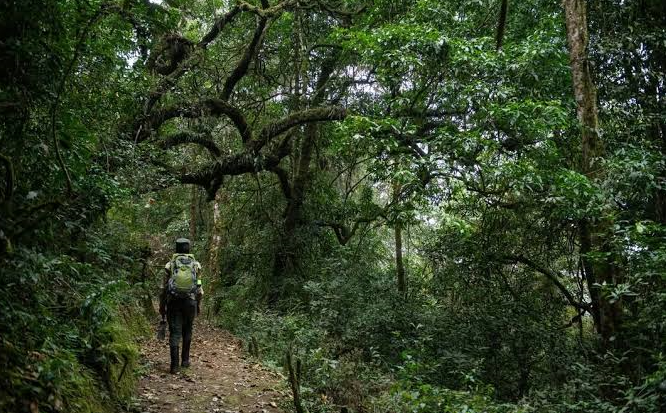
Nyungwe Forest National Park covers approximately 1,020 square kilometres in southwestern Rwanda. It is one of the oldest and most biodiverse rainforests in Africa. Consequently, it supports a remarkable concentration of bird life across multiple forest habitats. The park’s altitude ranges from 1,600 to 2,950 metres above sea level. This variation creates distinct vegetation zones, each attracting different bird communities.
Additionally, Nyungwe sits within the Albertine Rift, a biodiversity hotspot stretching from Uganda into the Democratic Republic of Congo. This rift valley is Africa’s most important center of endemic bird species. Therefore, bird watching in Nyungwe Forest regularly rewards visitors with rare sightings that cannot be found anywhere else in the world. For background on the Albertine Rift ecosystem, visit the African Bird Club resource library.
Top Bird Species to Look For in Nyungwe Forest
The checklist for Nyungwe is impressively long. However, certain species stand out as target birds for visiting birders. Knowing which species to prioritize helps structure your time in the forest effectively.
Albertine Rift Endemics
The Albertine Rift endemics draw dedicated birders from across the world to Nyungwe. The Grauer’s Rush Warbler inhabits papyrus and reed edges near the forest. The Rwenzori Turaco displays spectacular crimson and green plumage in the forest canopy. Furthermore, the Handsome Francolin moves through dense undergrowth on the forest floor. The Strange Weaver builds its distinctive nest in highland forest edges. Additionally, the Shelley’s Crimsonwing rewards patient birders with one of Africa’s most striking finch-family birds.
Forest Specialists
Beyond the endemics, Nyungwe hosts an extraordinary range of forest specialists. The African Green Broadbill is among the most sought-after targets. Additionally, the Red-collared Babbler and Yellow-eyed Black Flycatcher are commonly found along wooded trails. The Kivu Ground Thrush forages quietly among leaf litter. Meanwhile, Nahan’s Partridge calls from dense vegetation in the lower forest zones.
Raptors and Canopy Birds
Raptors circle above the canopy on thermal currents throughout the day. The African Crowned Eagle, one of Africa’s most powerful predators, is regularly spotted soaring over Nyungwe. Furthermore, Cassin’s Hawk-Eagle and Long-crested Eagle appear frequently near forest clearings. The African Grey Parrot calls loudly from emergent trees along several trails.
Best Birding Trails in Nyungwe Forest
Several well-maintained trails wind through Nyungwe Forest, each offering different birding opportunities. Choosing the right trail for your target species makes a meaningful difference in your day.
Bigugu Trail
The Bigugu Trail climbs to Nyungwe’s highest point at 2,950 metres. Consequently, it passes through several altitude zones and exposes birders to high-elevation specialists. This trail is physically demanding but consistently productive for Albertine Rift endemics. Early morning departures before 7:00 AM maximize bird activity along this route.
Uwinka Trail
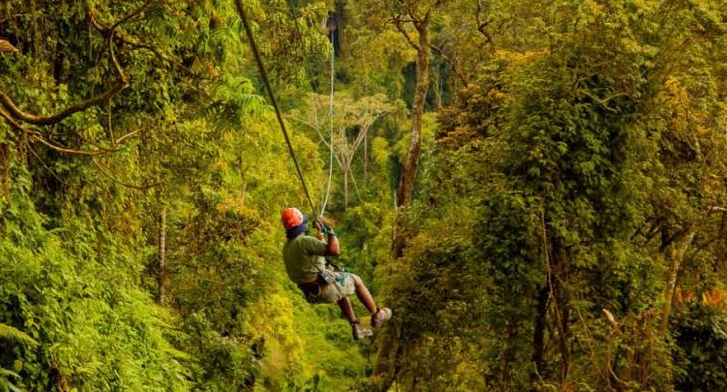
The Uwinka Trail begins at the main visitor centre and offers excellent canopy-level birding. A canopy walkway along this route provides extraordinary views into the treetops. Therefore, it is the best trail for spotting shy canopy species that are difficult to observe from the ground. The walkway stretches 160 metres across the forest at height, offering a unique perspective rarely available elsewhere in Africa.
Kamiranzovu Wetland Trail
Kamiranzovu Wetland sits at the heart of Nyungwe Forest and attracts waterbirds and marsh specialists. The Grauer’s Rush Warbler is most reliably found here. Additionally, several species of sunbirds gather around flowering plants along the wetland edge. This trail rewards slow, patient observers more than fast walkers. Therefore, plan at least three to four hours for a productive wetland birding session.
Karamba Trail
The Karamba Trail runs through lower-elevation forest. It is one of the best routes for encountering mixed-species feeding flocks, which move through Nyungwe in loose, energetic groups. Following a feeding flock often reveals dozens of species within a short period. Consequently, this trail suits birders hoping to maximize their species count quickly.
Bird Watching in Nyungwe Forest: Best Time to Visit
Bird watching in Nyungwe Forest is rewarding year-round. However, certain seasons offer better conditions than others. The dry seasons, from June to September and December to February, provide the most comfortable walking conditions. Trails are less slippery, and early mornings are cooler and more pleasant.
Furthermore, the dry season coincides with peak bird activity in many parts of the forest. Resident species are more vocal and visible during this period. The breeding season brings additional display behaviors that make identification easier and photography more rewarding.
The wet season from March to May brings heavy rainfall but also lush, green forest and excellent fruiting that attracts fruit-eating birds in large numbers. Additionally, migrant species pass through Nyungwe during this period, temporarily boosting species totals. Therefore, birders visiting during the rains can sometimes record impressive daily tallies despite the wet conditions.
For a full seasonal breakdown, see our best time to visit Rwanda page.
How to Combine Bird Watching With Other Nyungwe Activities
Nyungwe Forest offers much more than birding alone. Chimpanzee tracking is available alongside bird watching on many morning itineraries. Rangers lead small groups to habituated chimpanzee troops before or after a birding walk. Furthermore, colobus monkey trekking provides additional wildlife viewing alongside the forest birds.
The canopy walkway is an activity in its own right for non-birders in your group. Additionally, cultural visits to nearby communities complement the forest experience beautifully. Combining birding with chimpanzee tracking on a single full day requires an early start but rewards participants with an extraordinary range of experiences. Our Nyungwe Forest safari guide outlines the full range of available activities.
Guided Birding Versus Self-Guided Walks
Hiring a specialist birding guide makes a significant difference in Nyungwe. Expert guides know exactly where target species feed, roost, and breed at each time of year. They identify birds by call long before you spot them visually. Consequently, guided birding sessions consistently produce higher species counts than self-guided walks.
Additionally, trained birding guides share ecological knowledge that enriches every sighting. Understanding why a particular species favors a specific forest zone deepens appreciation for what you observe. Park rangers at the Uwinka Visitor Centre assign guides at the start of each day. Booking in advance through your tour operator secures an experienced specialist rather than a generalist guide.
What to Pack for Birding in Nyungwe Forest
Good preparation makes a noticeable difference in comfort and productivity. Binoculars are essential — an 8×42 or 10×42 model works best in forest conditions. Additionally, a field guide specific to East African or Albertine Rift birds is invaluable. The Roberts Bird Guide and the Handbook of the Birds of the World are both recommended references.
Waterproof boots are necessary regardless of season. Nyungwe’s trails are frequently muddy, even during dry months. Long sleeves and trousers protect against insects and vegetation. Furthermore, a lightweight waterproof jacket fits easily into a daypack and guards against sudden afternoon showers. Neutral-colored clothing in greens, greys, or browns helps you blend into the forest environment without disturbing birds.
A camera with a telephoto lens of at least 400mm captures distant canopy birds. However, forest lighting is often low, so a camera with strong low-light performance is preferable to a high-megapixel body with a slower lens. Bring extra batteries, since cold morning temperatures drain them faster than usual.
Combining Nyungwe Bird Watching With Rwanda’s Other Highlights
Many birders combine Nyungwe with Rwanda’s other iconic attractions. Gorilla trekking in Volcanoes National Park remains the most famous Rwanda experience. Furthermore, Akagera National Park in eastern Rwanda offers savanna birding with species completely different from those found in Nyungwe.
This combination gives Rwanda visitors an extraordinary diversity of habitats within a single trip. You can track gorillas in the north, watch chimpanzees and endemic birds in Nyungwe in the south, and spot savanna species in Akagera in the east, all within a week. Our combined Rwanda safari itineraries page suggests several multi-destination options.
Conservation and the Importance of Responsible Birding
Nyungwe Forest is one of Africa’s most important conservation areas. Therefore, responsible behavior inside the park directly protects the species you travel to see. Stay on designated trails to avoid disturbing nesting birds and sensitive understory vegetation. Additionally, playback of bird calls to attract species is increasingly discouraged inside protected areas, as it disrupts natural behavior.
Supporting licensed tour operators who invest in ranger training and community development ensures your visit contributes to conservation funding. The Rwanda Development Board manages Nyungwe Forest and channels park fees directly into habitat protection and anti-poaching programs.
Practical Tips for Your Birding Visit
Arrive at the trailhead before sunrise. The hour between first light and 8:00 AM is when bird activity peaks inside the forest. Furthermore, midday hours are generally quieter, making late mornings a good time for rest. A second session in the late afternoon, between 4:00 PM and dusk, often produces a second burst of activity.
Keep noise to a minimum while walking. Forest birds are sensitive to human disturbance. Moving slowly and pausing frequently allows shy species to emerge naturally. Additionally, listening carefully for calls often reveals birds before you see them. Your guide will help interpret the forest soundscape in real time.
Book Your Nyungwe Forest Birding Safari
Bird watching in Nyungwe Forest belongs on every serious birder’s life list. With over 300 species, 29 Albertine Rift endemics, and stunning forest scenery, it delivers one of Africa’s most complete birding experiences. Our team can design a dedicated birding itinerary or incorporate Nyungwe into a broader Rwanda safari. Contact us today to start planning your Nyungwe birding adventure.