A Complete Safari Guide
Planning a safari in South Africa starts with choosing the best time to visit Kruger National Park. Kruger National Park is one of Africa’s most famous wildlife destinations, offering opportunities to see lions, elephants, leopards, buffalo, rhinos, giraffes, zebras, and many other species in their natural environment.
However, the ideal time for your safari depends on what you want to experience, including wildlife viewing, weather, photography, birdwatching, and accommodation prices.
Whether you are planning your first African safari or returning for another wildlife adventure, understanding the seasons can help you choose the right travel period.
In this guide, Rosamy Africa Safaris Tours and Travel Ltd explains the best time to visit Kruger National Park and what you can expect during each season.
What Is the Best Time to Visit Kruger National Park?
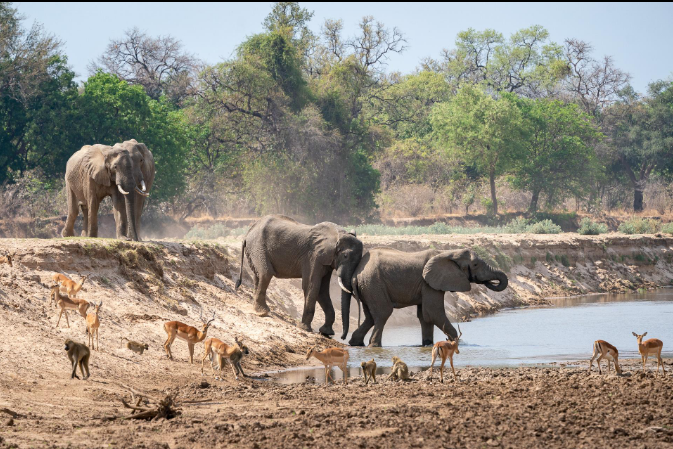
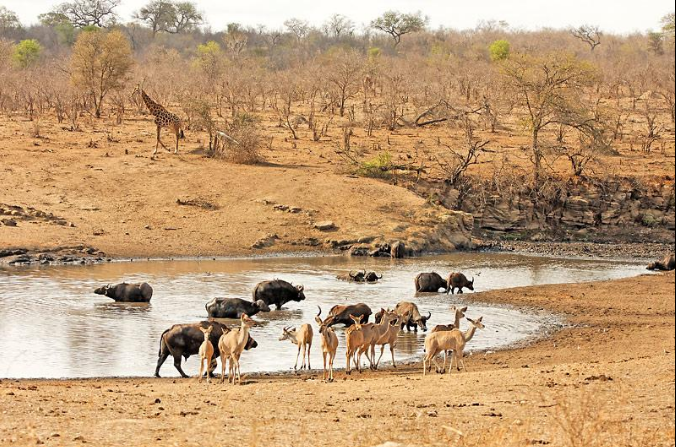
The best time to visit Kruger National Park for wildlife viewing is generally during the dry season, from approximately May to September. During these months, rainfall decreases, vegetation becomes thinner, and animals gather around remaining water sources. These conditions can make wildlife easier to spot during game drives.
The dry season also offers comfortable conditions for safari activities, particularly during the cooler months of June, July, and August. Early mornings and evenings can be cold, so visitors should pack warm layers for game drives.
However, Kruger is a year-round destination. Each season has its own advantages, and the best choice depends on your interests and budget.
Visiting Kruger National Park During the Dry Season
The dry season is one of the most popular periods for a Kruger safari. From May to September, the park experiences less rainfall, resulting in dry landscapes and reduced vegetation.
As water becomes scarce, wildlife often concentrates around rivers, dams, waterholes, and other permanent water sources. This can increase your chances of seeing several species in one location.
The dry season is particularly attractive for visitors who want excellent wildlife-viewing opportunities. Predators such as lions, leopards, and cheetahs may also be easier to locate because animals become more concentrated in certain areas.
June to August
June, July, and August are among the most popular safari months. Temperatures are generally cooler, especially during early morning and evening game drives.
The dry landscape can provide excellent visibility, making it easier to scan open areas for wildlife. Photographers can also benefit from clearer conditions and less dense vegetation.
If wildlife viewing is your main priority, this period is an excellent choice when considering the best time to visit Kruger National Park.
September
September marks the transition toward warmer weather. The landscape remains relatively dry, while temperatures gradually increase.
Wildlife viewing can still be excellent because water sources remain important gathering points. September can also appeal to travelers who want good safari conditions while avoiding some of the colder mornings associated with the middle of winter.
Visiting Kruger National Park During the Wet Season
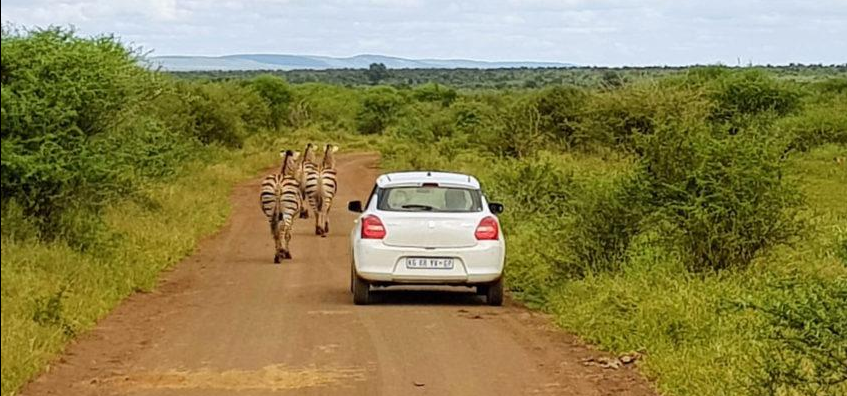
The wet season generally begins around October or November and continues into the summer months. Rainfall brings dramatic changes to the park.
The landscape becomes greener, trees and grasses regain their foliage, and seasonal water sources fill again. Many animals give birth during this period, creating exciting opportunities to observe young wildlife.
Although thick vegetation can sometimes make animals more difficult to spot, the wet season provides beautiful scenery and excellent opportunities for nature photography.
For travelers interested in birdwatching, the wet season can be particularly rewarding because migratory birds return and bird activity increases.
Best Time for Wildlife Viewing in Kruger
If your primary goal is to see as many animals as possible, the dry season is generally the strongest choice.
During the dry months Wildlife tends to concentrate around permanent water sources, sparse vegetation can improve visibility, roads are often easier to navigate because there is less heavy rainfall, large mammals can be easier to locate, and early morning game drives can provide excellent opportunities to see active predators.
Nevertheless, wildlife sightings can never be guaranteed. Kruger National Park is a wild environment, and every safari is different.
Best Time for Photography
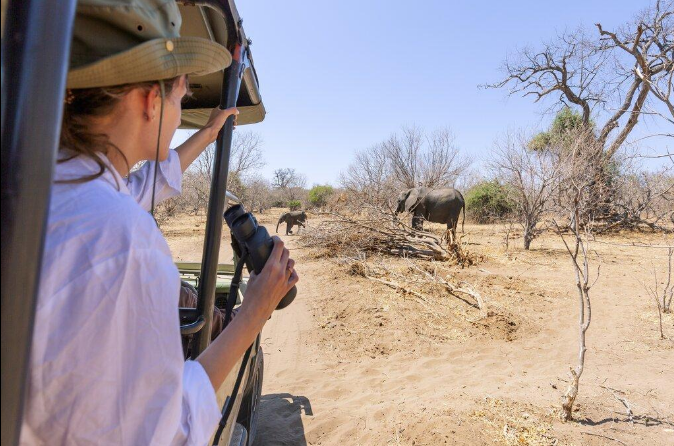
Photographers can enjoy Kruger throughout the year, but different seasons offer different photographic opportunities.
The dry season provides open landscapes and clearer visibility. Golden morning and evening light can create beautiful conditions for wildlife photography.
The wet season, on the other hand, produces lush vegetation, dramatic skies, colorful sunsets, and young animals. Thunderstorms can also create spectacular backgrounds for landscape photography.
Therefore, the best time to visit Kruger National Park for photography depends on whether you prefer open dry landscapes or vibrant green scenery.
Best Time for Birdwatching
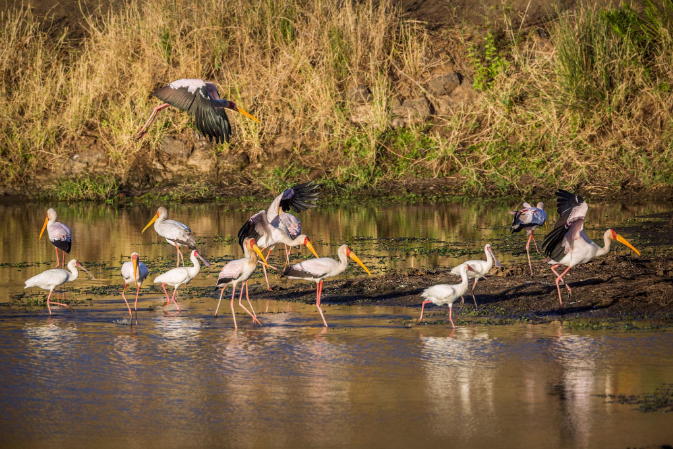
Birdwatchers may prefer the summer months because Kruger becomes especially active with birds.
Migratory species arrive, resident birds become more active, and increased rainfall supports greater insect activity. These conditions provide excellent feeding opportunities for many bird species.
If birdwatching is one of your main reasons for visiting, consider traveling between November and March.
Best Time to Visit Kruger for Families
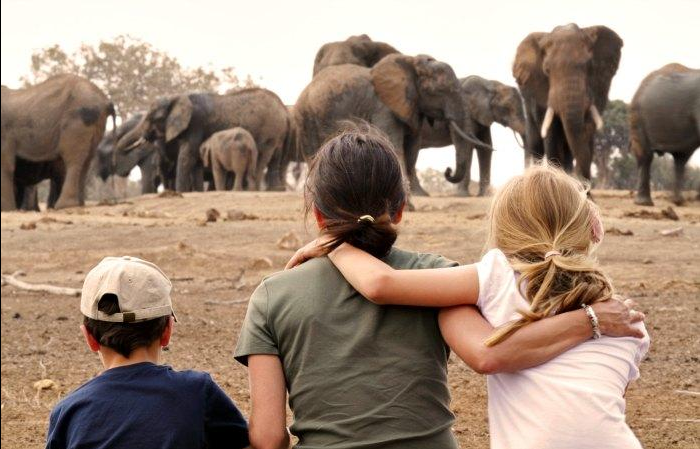
Families can visit Kruger National Park at different times of the year, but school holidays and weather should be considered when planning.
The cooler dry-season months can provide comfortable conditions for safari activities, although early mornings may be chilly. Families traveling with young children should discuss suitable safari options with their tour operator because some activities and accommodation facilities have age restrictions.
A well-planned family safari can combine wildlife viewing with comfortable accommodation, enjoyable game drives, and educational experiences.
Best Time for a Budget Safari
Traveling outside the busiest periods may help travelers find better-value accommodation and safari packages.
The peak dry season can be popular, particularly during school holidays and major vacation periods. If you have flexible travel dates, consider the shoulder seasons around April May or September October.
These periods can offer a balance between favorable safari conditions and potentially lower demand.
Always compare accommodation availability and safari rates before booking because prices vary between lodges, camps, seasons, and travel dates.
What to Expect Month by Month
January
January is part of the wet season. Expect green landscapes, warm temperatures, rainfall, and excellent birdwatching opportunities. Young animals may also be seen.
February
February continues the rainy season. The park is lush and vibrant, and bird activity can be excellent.
March
March remains relatively warm and green. Wildlife viewing can be rewarding, while birdwatchers can still benefit from strong bird activity.
April
April is a transition period. Rainfall may begin to decrease, while the landscape remains relatively green.
May
May marks the beginning of the cooler and drier period. Wildlife viewing conditions generally become increasingly favorable.
June
June brings cooler temperatures and dry conditions. Wildlife often becomes easier to locate around water sources.
July
July is one of the most popular safari months. Dry vegetation and limited water can create excellent wildlife-viewing conditions.
August
August remains dry and cool, although temperatures gradually begin to rise toward the end of the month.
September
September can provide excellent safari conditions with warmer temperatures and continued dry weather.
October
October is generally warmer, and the first rains may begin in some areas. Wildlife viewing can remain good while the landscape begins changing.
November
November marks the beginning of the wetter period in many years. Green vegetation starts returning, and bird activity increases.
December
December is warm and generally wetter. The park becomes lush, and visitors may have opportunities to see young animals and migratory birds.
What to Pack for a Kruger Safari
Your packing list should reflect the season in which you travel.
During the dry and cooler months, bring
- Warm clothing for early morning drives
- Lightweight clothing for warmer afternoons
- Comfortable walking shoes
- A hat and sunglasses
- Sunscreen
- Binoculars
- Camera equipment
- Insect repellent
- A reusable water bottle
During the wet season, consider adding,
- Lightweight waterproof clothing
- Quick-drying clothes
- Waterproof bags for electronics
- Comfortable footwear
- Extra camera protection
Neutral-colored clothing is generally practical for safari activities because it blends well with the natural surroundings.
Why Choose Rosamy Africa Safaris Tours and Travel Ltd?
Planning a safari involves more than simply selecting travel dates. A professional tour operator can help you choose suitable accommodation, organize transportation, plan game drives, and create an itinerary based on your interests.
Rosamy Africa Safaris Tours and Travel Ltd helps travelers plan memorable African safari experiences. Our team can assist with creating an itinerary that matches your travel dates, interests, budget, and preferred safari style.
Whether you want to explore Kruger National Park for wildlife photography, a family holiday, a honeymoon, or a classic African safari, careful planning can make your experience more enjoyable.
Best Time to Visit Kruger National Park
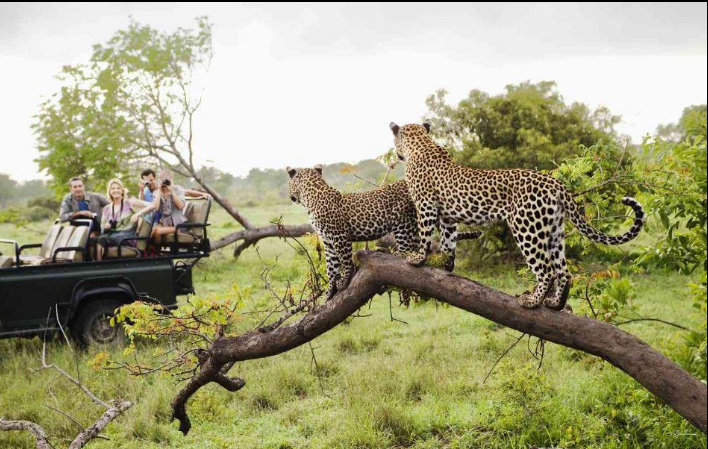
The best time to visit Kruger National Park depends on your personal interests. For traditional wildlife viewing, the dry season from May to September is often the preferred period because animals become concentrated around water sources and vegetation is less dense.
However, the wet season offers its own attractions, including green landscapes, migratory birds, newborn animals, dramatic skies, and fewer crowds in some periods.
Ultimately, Kruger National Park offers memorable safari experiences throughout the year. Choose your travel dates according to the wildlife, weather, photography, birdwatching, and budget priorities that matter most to you.
For help planning your Kruger National Park safari, contact Rosamy Africa Safaris Tours and Travel Ltd and let us help you create an unforgettable African wildlife adventure.