Top Destinations to Explore
Discover the Best Places to Visit in Egypt Beyond the Pyramids
Egypt is one of the world’s most fascinating travel destinations. While the Great Pyramids of Giza remain its most famous attraction, the country offers far more than ancient tombs and monumental stone structures.
From magnificent temples and historic cities to desert oases, coral reefs, and tranquil Nile landscapes, Egypt rewards travelers who venture beyond the traditional tourist trail.
Exploring the best places to visit in Egypt beyond the pyramids allows you to experience the country’s diverse history, culture, nature, and hospitality.
You can cruise along the Nile, explore ancient temples in Luxor, dive among colorful coral reefs in the Red Sea, wander through the narrow streets of Islamic Cairo, or enjoy the peaceful beauty of Siwa Oasis.
Whether you are planning your first trip to Egypt or returning for a deeper cultural experience, there are countless destinations to add to your itinerary. This guide explores some of the most remarkable places to visit beyond the pyramids and explains what makes each destination special.
Explore the World’s Greatest Open-Air Museum
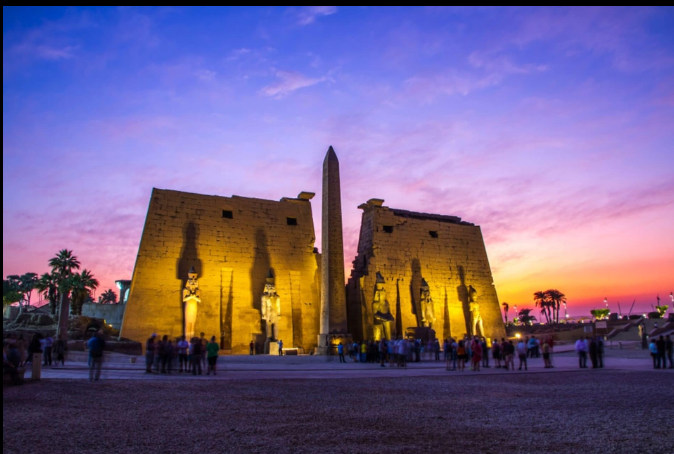
Luxor should be at the top of any list of the best places to visit in Egypt beyond the pyramids. Located along the banks of the Nile River, Luxor is home to some of the country’s most impressive ancient monuments.
The city was once known as Thebes, the powerful capital of ancient Egypt. Today, its archaeological treasures attract visitors from around the world.
One of the highlights is the magnificent Karnak Temple Complex, a vast religious site featuring enormous columns, statues, obelisks, and sacred courtyards. Walking through the Great Hypostyle Hall is an unforgettable experience.
Across the Nile lies the famous West Bank, where you can explore the Valley of the Kings. This ancient burial ground contains the tombs of numerous pharaohs, including the famous tomb of Tutankhamun.
Other attractions include the Temple of Hatshepsut, the Colossi of Memnon, and the Valley of the Queens.
For an unforgettable experience, consider taking a hot-air balloon flight over Luxor at sunrise. From above, you can see the Nile, agricultural fields, desert landscapes, and ancient monuments spread across the horizon.
Experience Nubian Culture and Nile Beauty
Aswan is another destination that deserves a place among the best places to visit in Egypt beyond the pyramids. Situated in southern Egypt, Aswan is known for its beautiful Nile scenery, peaceful atmosphere, and rich Nubian heritage.
One of the best ways to experience Aswan is by taking a traditional felucca boat ride. These wooden sailing boats glide across the Nile and offer spectacular views of islands and desert landscapes.
You can also visit Philae Temple, an extraordinary ancient complex dedicated to the goddess Isis. The temple was relocated to Agilkia Island following the construction of the Aswan High Dam, helping preserve this important historical site.
Another fascinating attraction is the Nubian villages around Aswan. Here, visitors can learn about local traditions, architecture, food, and hospitality.
Aswan is also an excellent starting point for trips to Abu Simbel, making it a popular stop on Nile River itineraries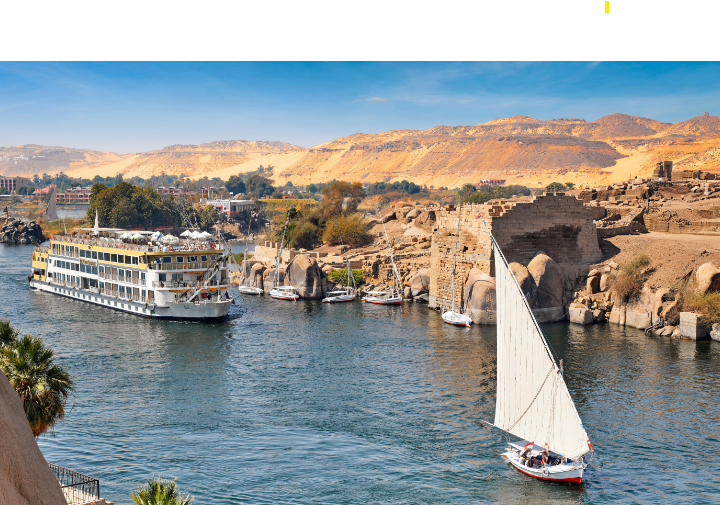
Abu Simbel: Marvel at Monumental Temples
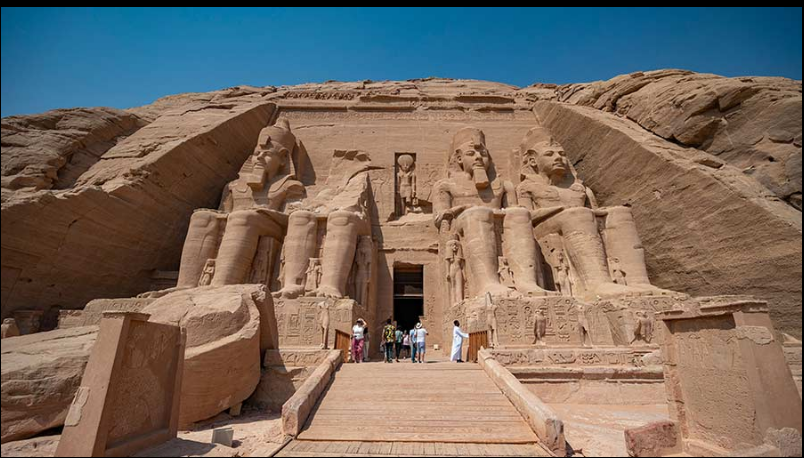
Located in southern Egypt near the border with Sudan, Abu Simbel is one of the country’s most spectacular archaeological destinations.
The site consists of two enormous rock-cut temples built during the reign of Pharaoh Ramses II. The Great Temple is famous for its four colossal statues of Ramses II carved into the mountainside.
Inside, visitors can admire beautifully decorated halls and chambers featuring detailed carvings and scenes from ancient Egyptian history.
The temples were famously relocated in the 1960s to protect them from rising waters caused by the construction of the Aswan High Dam. The relocation project remains one of the most impressive achievements in modern archaeological preservation.
Visiting Abu Simbel is an excellent choice for travelers searching for the best places to visit in Egypt beyond the pyramids, especially those interested in ancient history and architecture.
The Red Sea: Dive Into Egypt’s Underwater World
Egypt is not only about ancient history. The Red Sea coast offers some of the world’s most exciting marine experiences.
Destinations such as Hurghada, Marsa Alam, and Sharm El Sheikh are famous for their warm waters, coral reefs, and diverse marine life.
Travelers can enjoy snorkeling, scuba diving, boat trips, and relaxing beach holidays. The underwater world features colorful corals and tropical fish, while some locations offer opportunities to encounter sea turtles, dolphins, and other marine species.
Hurghada is a popular choice for travelers looking for a combination of beaches, water activities, and resort facilities. Marsa Alam is known for its quieter atmosphere and excellent diving opportunities.
Sharm El Sheikh, located on the Sinai Peninsula, is another popular destination for travelers seeking a beach escape combined with underwater adventures.
For travelers who want to combine history and relaxation, adding the Red Sea to an Egypt itinerary is an excellent option.
Siwa Oasis: Discover Egypt’s Remote Desert Paradise
If you want to experience a completely different side of Egypt, Siwa Oasis is an unforgettable destination.
Located in the Western Desert near the Libyan border, Siwa is known for its palm groves, freshwater springs, salt lakes, and distinctive Berber culture.
The oasis offers a slower pace of travel compared with Egypt’s major tourist cities. Visitors can explore traditional mud-brick architecture, cycle through palm plantations, and enjoy refreshing swims in natural springs.
One of the most popular experiences is visiting the salt lakes, where the high salt concentration allows visitors to float easily in the water.
Siwa is also home to the ancient Temple of the Oracle, associated with Alexander the Great. The historic site sits on a hill overlooking the oasis.
For adventurous travelers, desert excursions are another highlight. You can travel through the surrounding dunes by 4×4 or enjoy a sunset experience in the desert.
Siwa is undoubtedly one of the best places to visit in Egypt beyond the pyramids for travelers seeking nature, culture, relaxation, and off-the-beaten-path experiences.
Alexandria offers a completely different atmosphere from Cairo and the ancient sites of Upper Egypt.
Founded by Alexander the Great, the city has long been an important center of Mediterranean culture and trade. Its location along the Mediterranean coast gives it a relaxed seaside character.
One of the city’s most famous attractions is the Bibliotheca Alexandrina, a modern cultural center inspired by the ancient Library of Alexandria.
Visitors can also explore the Catacombs of Kom El Shoqafa, an impressive underground archaeological site that combines Egyptian, Greek, and Roman influences.
The Citadel of Qaitbay, built on the site associated with the ancient Pharos Lighthouse, offers beautiful views over the Mediterranean Sea.
Alexandria is also a great place to enjoy fresh seafood and experience modern Egyptian city life.
For travelers interested in history beyond the pharaonic period, Alexandria is one of the best places to visit in Egypt beyond the pyramids.
Islamic Cairo: Step Into Egypt’s Medieval Past
Cairo is often associated with the pyramids, but the city has an extraordinary historical identity that extends far beyond Giza.
Islamic Cairo is home to centuries-old mosques, madrasas, markets, and historic buildings. The area provides an opportunity to discover Egypt’s medieval Islamic heritage.
One of the most famous landmarks is Al-Azhar Mosque, an important center of Islamic learning. Visitors can also explore the historic Al-Muizz Street, where beautiful architecture and traditional markets create a fascinating atmosphere.
The Khan el-Khalili Bazaar is another must-visit attraction. The historic marketplace is filled with shops selling souvenirs, jewelry, spices, textiles, perfumes, and traditional handicrafts.
Walking through Islamic Cairo allows visitors to experience a side of the capital that is often overlooked by travelers who focus only on the pyramids.
Nile River Cruise: See Egypt From a Different Perspective
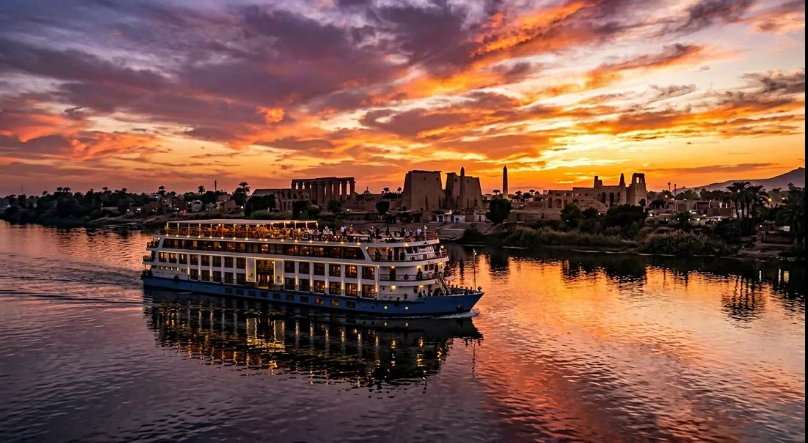
A Nile River cruise is one of the most relaxing ways to explore Egypt.
Most traditional Nile cruises operate between Luxor and Aswan, allowing travelers to visit several important archaeological sites while enjoying comfortable accommodation on board.
During the journey, you can watch villages, farmland, palm trees, and desert landscapes pass by. The changing scenery provides a fascinating look at life along one of the world’s most famous rivers.
Many cruises stop at important sites such as the Temple of Edfu and the Temple of Kom Ombo. These stops make it possible to combine relaxation with cultural exploration.
A Nile cruise is particularly appealing for travelers who want to see several destinations without constantly changing hotels.
White Desert: Discover Egypt’s Otherworldly Landscapes
For adventure seekers, the White Desert is one of the most extraordinary destinations in Egypt.
Located in the Western Desert, the area is famous for its unusual white limestone formations shaped by wind and erosion. Some formations resemble giant mushrooms, animals, or other imaginative figures.
The landscape becomes particularly magical around sunset and sunrise when the changing light creates dramatic shadows across the desert.
Many visitors explore the White Desert as part of a desert safari that may also include the Black Desert and Bahariya Oasis.
Camping under the stars is another popular experience. Far from major cities, the desert provides an opportunity to enjoy the silence and beauty of Egypt’s natural landscapes.
If you are looking for unique places to visit in Egypt beyond the pyramids, the White Desert should be high on your list.
Dahab: Enjoy a Relaxed Red Sea Escape
Dahab is a laid-back coastal town on the Sinai Peninsula that attracts travelers looking for a more relaxed alternative to large resort destinations.
The town is particularly popular among divers, snorkelers, backpackers, and adventure travelers.
One of the most famous diving locations is the Blue Hole, a dramatic underwater site that attracts experienced divers from around the world. Snorkeling and other water activities are also popular along the coast.
Dahab’s waterfront promenade is lined with restaurants and cafes where visitors can enjoy meals while looking out over the Red Sea.
The town also provides access to desert excursions and mountain landscapes, making it possible to combine beach activities with adventure.
Dahab is an excellent destination for travelers who want to experience Egypt’s coastal lifestyle away from the country’s busiest historical attractions.
Fayoum Oasis is located southwest of Cairo and offers a fascinating combination of natural beauty, wildlife, archaeology, and rural landscapes.
The region is known for Lake Qarun, one of Egypt’s oldest natural lakes. The surrounding area provides opportunities to enjoy peaceful scenery and experience local rural life.
Another major attraction is Wadi El Hitan, or the Valley of the Whales, a UNESCO World Heritage Site famous for fossilized remains of ancient whales.
The Wadi El Rayan protected area is also worth visiting. Its waterfalls and desert landscapes provide a striking contrast to the surrounding environment.
Fayoum is an excellent destination for travelers who want to escape the busy atmosphere of Cairo while discovering one of Egypt’s most diverse regions.
St. Catherine and Mount Sinai: Discover Spiritual Egypt
The Sinai Peninsula is home to some of Egypt’s most important religious and historical sites.
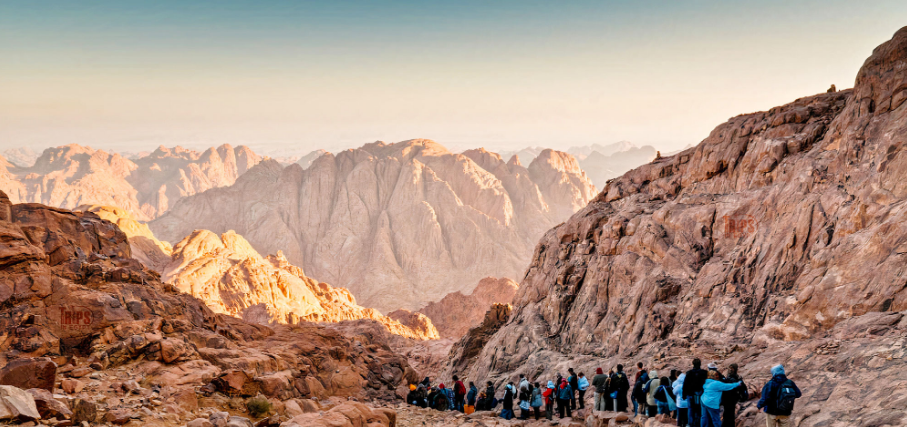
Mount Sinai is traditionally associated with the biblical story of Moses and attracts pilgrims and travelers from around the world.
Nearby, Saint Catherine’s Monastery is one of the oldest continuously operating Christian monasteries in the world. The monastery contains a remarkable collection of religious manuscripts, icons, and historical artifacts.
Many travelers choose to climb Mount Sinai during the night to reach the summit in time for sunrise. The experience offers spectacular views across the rugged Sinai landscape.
This region is ideal for travelers interested in religious history, hiking, and mountain scenery.
El Alamein: Explore Egypt’s World War II History
For history enthusiasts, El Alamein offers an opportunity to explore an important chapter of modern world history.
Located along Egypt’s Mediterranean coast, the town is famous for the Second Battle of El Alamein, a major World War II conflict.
Visitors can explore the El Alamein War Museum and several military cemeteries and memorials dedicated to soldiers who lost their lives during the North African campaign.
The area also has beautiful Mediterranean beaches, making it possible to combine historical sightseeing with relaxation.
El Alamein is an interesting addition to an Egypt itinerary for travelers who want to explore the country’s modern history beyond its ancient monuments.
Best Time to Visit Egypt Beyond the Pyramids
The best time to explore the best places to visit in Egypt beyond the pyramids depends on the type of experience you want.
Generally, the cooler months from October to April are popular for sightseeing and cultural tours. Temperatures are often more comfortable for exploring temples, archaeological sites, cities, and desert landscapes.
The winter months can be particularly pleasant for Nile cruises and sightseeing in Luxor and Aswan. However, popular attractions may be busier during peak travel periods.
The Red Sea coast can be visited throughout much of the year, although temperatures vary depending on the season. Summer can be extremely hot in many parts of Egypt, especially inland and in desert areas.
If you plan to visit several regions, consider creating an itinerary that balances sightseeing with relaxation. For example, you could combine Cairo and Luxor with a Nile cruise before finishing your trip with a few days on the Red Sea coast.
How to Plan an Egypt Trip Beyond the Pyramids
Planning your Egyptian adventure becomes easier when you decide which experiences are most important to you.
Choose Your Main Interests
History lovers may prefer Luxor, Aswan, Abu Simbel, and Alexandria. Beach enthusiasts can focus on Hurghada, Marsa Alam, or Dahab.
Adventure travelers may enjoy the White Desert, Siwa Oasis, or the Sinai mountains. Those interested in culture can explore Islamic Cairo and Nubian communities around Aswan.
Allow Enough Time
Egypt is a large country with attractions spread across different regions. Trying to see everything in a few days can make your trip exhausting.
A longer itinerary allows you to travel at a more comfortable pace and experience destinations beyond the main tourist sites.
Combine Destinations Carefully
A well-planned itinerary might include Cairo, Luxor, Aswan, and the Red Sea. Travelers with more time can add Abu Simbel, Siwa Oasis, Alexandria, or the White Desert.
Consider transportation times when planning your route. Domestic flights can save time between distant destinations, while trains and road transfers offer different travel experiences.
Travel With a Local Guide
A knowledgeable local guide can make historical sites more meaningful by explaining the stories, traditions, and cultural significance behind them.
Guided tours can also make transportation and logistics easier, especially when visiting multiple destinations.
A Sample 10-Day Egypt Itinerary Beyond the Pyramids
If you want to experience several of the country’s highlights, consider a route such as:
1–2: Explore Cairo and Islamic Cairo.
3–4: Travel to Luxor and visit Karnak Temple, the Valley of the Kings, and the Temple of Hatshepsut.
5–7: Take a Nile River cruise toward Aswan.
8: Explore Aswan and visit Philae Temple.
9: Take a trip to Abu Simbel.
10: Relax or continue to a Red Sea destination.
Travelers with additional time can extend their trip to include Siwa Oasis, Alexandria, the White Desert, or the Sinai Peninsula.
Why Visit Egypt Beyond the Pyramids?
The pyramids are undoubtedly one of the world’s greatest attractions, but they represent only one part of Egypt’s incredible story.
Traveling beyond Giza reveals a country filled with ancient temples, medieval architecture, colorful cultures, peaceful oases, spectacular deserts, and vibrant marine ecosystems.
You can watch the sunrise over Luxor’s ancient monuments, sail down the Nile, meet Nubian communities in Aswan, float in Siwa’s salt lakes, explore Alexandria’s Mediterranean heritage, or dive into the warm waters of the Red Sea.
These experiences demonstrate why the best places to visit in Egypt beyond the pyramids deserve a place on every Egypt travel itinerary.
Discover a Different Side of Egypt
Egypt is much more than the pyramids.
While the Great Pyramids of Giza are an essential part of any first visit, exploring beyond them allows you to discover the country’s incredible diversity.
From the ancient treasures of Luxor and Abu Simbel to the peaceful landscapes of Siwa Oasis and the underwater wonders of the Red Sea, Egypt offers something for every type of traveler.
The best places to visit in Egypt beyond the pyramids provide opportunities to experience history, culture, adventure, nature, and relaxation in one unforgettable journey.
If you are planning an Egypt holiday, consider looking beyond the famous pyramids and building an itinerary that introduces you to the many different faces of this remarkable country. You may discover that the most memorable moments of your trip happen far beyond the monuments you originally came to see.