Best Lodges in Gishwati-Mukura National Park: Rwanda’s Rising Safari Destination
Sarah had already done Volcanoes. She had done Akagera. She had the gorilla certificate on her wall at home. And when she came back to Rwanda for a third time, she wanted something different.
“Something nobody else has done yet,” she told us. “Something that still feels like a discovery.”
We told her about Gishwati-Mukura.
She had never heard of it. That was, we explained, precisely the point.
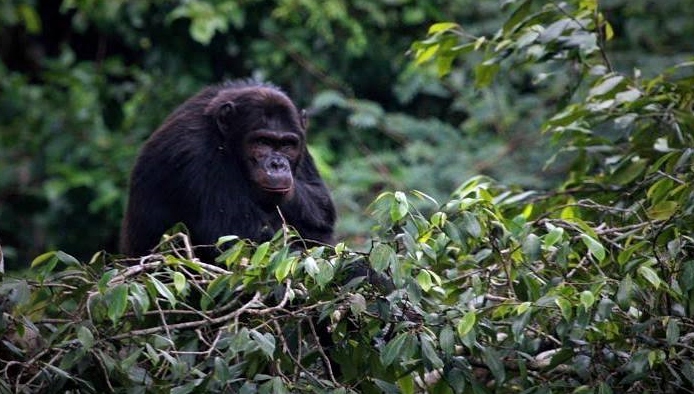
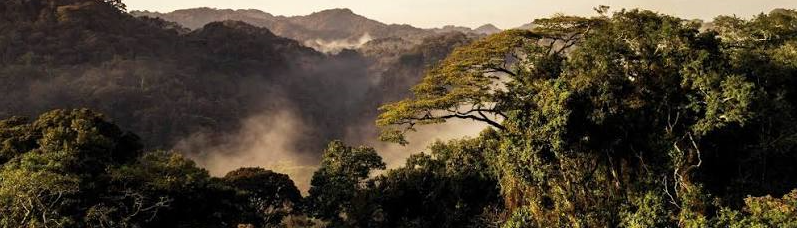
Gishwati-Mukura National Park is Rwanda’s newest national park, formally gazetted in 2016, and one of the most remarkable conservation comeback stories in Africa. A forest that was almost completely destroyed by agricultural encroachment and population pressure has been systematically restored over two decades. Chimpanzees that retreated to tiny isolated remnants have been monitored, protected, and now, slowly, are being habituated for tourism. Endemic birds that were disappearing from the forest are returning as the canopy regenerates.
And the best lodges in Gishwati-Mukura National Park give you access to all of it, before the crowds arrive, before the itineraries standardize, while the experience still has the specific electricity of a destination being discovered rather than a destination being managed.
This guide covers every accommodation option, the specific activities available, and exactly how to include Gishwati-Mukura in a Rwanda safari itinerary that goes beyond the expected.
What Is Gishwati-Mukura National Park?
Gishwati-Mukura National Park is located in northwestern Rwanda, between Lake Kivu to the south and Volcanoes National Park to the north. It covers approximately 34 square kilometres of montane rainforest, small by national park standards, but ecologically significant far beyond its size.
The park actually comprises two separate forest blocks, Gishwati Forest (the larger section) and Mukura Forest (a smaller connected block to the southeast), that together form a protected forest corridor in the Albertine Rift highlands.
The park’s conservation story is extraordinary. At its lowest point in the 1990s, Gishwati Forest had been reduced from its historical extent of approximately 250 square kilometres to less than 600 hectares, approximately 98% of the original forest had been cleared for agriculture, resettlement, and cattle grazing. The chimpanzee population, which once numbered several hundred, had declined to fewer than 20 individuals.
The restoration programme, supported by international conservation organizations and funded substantially by Rwanda’s tourism revenue model, has been systematically rebuilding the forest through native tree planting, community displacement support, and wildlife monitoring. According to the African Wildlife Foundation, Gishwati is one of Africa’s most ambitious forest restoration projects.
Today, the forest is growing. The chimpanzees, currently estimated at approximately 20–25 individuals in a partially habituated community, are slowly becoming comfortable with ranger presence. The endemic bird populations are recovering. And the best lodges in Gishwati-Mukura National Park are positioning themselves at the frontier of what promises to become one of Rwanda’s most compelling safari experiences.
Why Visit Gishwati-Mukura National Park Now?
The timing question matters. Here is the honest answer.
The chimpanzees are not yet fully habituated. Unlike the gorilla families at Volcanoes, which have been habituated for decades and offer reliable, standardized encounters, the Gishwati chimpanzee community is in the mid-stages of habituation. Consequently, the tracking experience here is more unpredictable, and more genuinely wild — than a standard primate trekking experience.
For the right traveller, this is a feature rather than a limitation. Tracking partially habituated chimpanzees in a recovering forest, with rangers who have known individual animals for years and who are documenting the community’s progress daily, is an experience of a completely different character from a standardised tourist encounter.
The birding is exceptional and uncrowded. Gishwati-Mukura is home to numerous Albertine Rift endemic species. According to BirdLife International, the park’s recovering forest is increasingly productive for endemic forest birds, the Rwenzori turaco, Grauer’s warbler, and African green broadbill are among the targets available here. Furthermore, the complete absence of large birding tour groups makes every sighting feel genuinely personal.
You are supporting active conservation. Every visit to Gishwati-Mukura directly funds the restoration programme, the ranger salaries, and the community benefit arrangements that are making the recovery possible. This is not abstract conservation contribution, it is immediately visible in the reforested slopes and the gradually increasing chimpanzee sightings that your permit fees are helping to produce.
Best Lodges in Gishwati-Mukura National Park: Current Options
Gishwati-Mukura’s accommodation landscape is still developing. This is the honest reality of a newly gazetted park in the early stages of tourism development. However, the options that currently exist are genuine and offer authentic access to the park’s extraordinary experiences.
Gishwati Forest Camp: The Primary Lodge Option
Gishwati Forest Camp is the established accommodation closest to the park’s main activity zone. The camp offers simple but comfortable tented accommodation with en-suite facilities in a forested setting adjacent to the park boundary.
The positioning is everything. Waking up at Gishwati Forest Camp means waking up in the sounds of the forest, colobus monkeys moving through the canopy, the dawn bird chorus that begins before first light, and on mornings when the chimpanzees are ranging near the forest edge, the distant pant-hoots that signal that today’s tracking walk will start well.
The camp’s small size, typically 6–8 tented units, means the experience is intimate by any African safari standard. Furthermore, the guiding team here are specialists in Gishwati’s specific ecology. They know the forest in the way that only daily, years-long presence produces. The morning walks they lead, whether focused on chimpanzee tracking, forest birding, or general ecological interpretation, reflect that depth.
The food is simple and locally sourced. The service is warm rather than polished. The atmosphere is that of a camp that exists to facilitate genuine wilderness experience rather than to provide a facsimile of luxury in a remote setting.
Price range: $100–$200 per person per night (half board, including guided walk) Atmosphere: ★★★★★, genuine forest camp, authentic experience Chimpanzee access: ★★★★, best positioned for morning tracking walks Birding: ★★★★★, endemic species accessible from camp boundary Best for: Serious wildlife enthusiasts, birders, conservation-motivated travellers, repeat Rwanda visitors seeking new experiences Distance from park entrance: Adjacent
Community Eco-Lodges Near Gishwati-Mukura
Several community-managed eco-lodges have developed in the buffer zone communities around Gishwati-Mukura National Park. These properties offer simple accommodation, typically permanent rooms or basic tented units, managed by community cooperatives whose income directly funds the surrounding families.
The quality of these properties varies. However, the best-managed community lodges near Gishwati provide clean, safe, comfortable accommodation with genuine community benefit arrangements. Staying at a community eco-lodge near Gishwati-Mukura is the most direct way to ensure your accommodation spending reaches the families living alongside the forest, the people whose economic relationship with the park determines whether the restoration succeeds in the long term.
Community activities available through these lodges typically include guided forest-edge walks, community farm visits, traditional craft demonstrations, and cultural exchange meals with local families. Consequently, a community eco-lodge stay adds a human dimension to the Gishwati visit that pure wildlife-focused accommodation cannot provide.
Price range: $40–$80 per person per night (bed and breakfast) Community impact: ★★★★★ Best for: Budget travellers, conservation and community-focused visitors, those wanting the most direct community benefit
Base Lodges in Nearby Towns: Musanze and Rubavu
For travellers whose budget requires more affordable accommodation, or who are including Gishwati-Mukura as a day excursion from a base in the Volcanoes National Park area or Lake Kivu, lodges in Musanze (approximately 1.5–2 hours from Gishwati) and Rubavu/Gisenyi (approximately 1–1.5 hours from the park) provide comfortable bases.
Musanze-based accommodation, ranging from budget guesthouses to mid-range hotels, is familiar territory for Rwanda safari travellers. The drive from Musanze to Gishwati follows a scenic route through the northwestern highlands. Furthermore, combining Volcanoes National Park activities (gorilla or golden monkey trekking) with a Gishwati day excursion from a Musanze base is an efficient way to experience both destinations without additional accommodation moves.
Rubavu/Gisenyi, on the shores of Lake Kivu, provides a different base option, with the lake’s extraordinary scenery as a complementary experience alongside the forest. See our lodges with gorilla views Rwanda guide for Musanze-area accommodation recommendations.
Activities at Gishwati-Mukura National Park
Chimpanzee Trekking and Tracking
Chimpanzee tracking in Gishwati-Mukura is the park’s headline activity and its most significant long-term tourism asset. As noted above, the community is not yet fully habituated, meaning the encounter is less predictable and more genuinely wild than standardized primate experiences.
Tracking walks depart in the morning with armed rangers and experienced trackers. The walk through the regenerating forest is itself remarkable, you can visually trace the recovery, moving between sections of mature primary forest and newer plantings where the canopy is still forming. The contrast is both educational and genuinely moving.
When the chimpanzees are found, which happens on most tracking days, though success rates are lower than at fully habituated sites, the encounter is extraordinary precisely because of its unpredictability. These animals know the rangers and are tolerating increasing human presence. They are not yet performing.
According to the Rwanda Development Board, the chimpanzee habituation programme at Gishwati is a priority conservation initiative. The permit fees from trekking visits directly fund the daily ranger presence that is accelerating the habituation process.
Birdwatching in Gishwati-Mukura
The birding at Gishwati-Mukura is, for serious listers, potentially the park’s most significant offering. The Albertine Rift endemics accessible here, in a forest that is still recovering and therefore has a different ecological character from established sites like Nyungwe, include species that are less easily seen elsewhere in Rwanda.
The best birding occurs in the early morning, during the first two hours after dawn. A dedicated birding walk with the camp’s specialist guide, timed to begin at first light, can produce 50–70 species on a good morning. For listers specifically targeting Albertine Rift endemics, this is a compelling addition to any Rwanda birding itinerary.
Forest Walks and Ecological Interpretation
The recovery of Gishwati Forest is itself a story worth understanding in depth. Guided ecological interpretation walks, typically 2–3 hours, trace the reforestation process, explain the native tree species being planted, and document the return of wildlife to areas that were bare farmland a decade ago.
For conservation-minded travellers, teachers, researchers, and anyone interested in the practical mechanics of how a forest is rebuilt, these walks provide insight that no published case study can replicate.
Community Cultural Visits
The communities living in Gishwati-Mukura’s buffer zone are central to the park’s conservation story. Their transition from agricultural encroachment to community benefit from park tourism is ongoing and genuine.
Cultural visits to buffer zone communities, arranged through the camp or through community eco-lodges, provide an encounter with this transition in progress. Meeting farmers who have shifted from forest-clearing to community guide work, and understanding the specific economic changes that have made this possible, is one of the most substantive conservation education experiences available in Rwanda.
For broader Rwanda cultural experiences, see our Rwanda cultural experiences guide.
How to Include Gishwati-Mukura in Your Rwanda Itinerary
Gishwati-Mukura integrates naturally into western Rwanda itineraries. The park sits between Volcanoes National Park to the north and Lake Kivu to the west. Consequently, the most efficient circuit includes all three.
Suggested 8-day western Rwanda circuit:
Days 1–2: Kigali arrival and city orientation
Days 3–4: Volcanoes National Park, gorilla or golden monkey trekking
Day 5: Transfer to Gishwati-Mukura, afternoon forest walk
Day 6: Morning chimpanzee tracking + birding walk at Gishwati-Mukura
Days 7–8: Lake Kivu, Rubavu/Gisenyi, lake activities, return to Kigali
This circuit is efficient, scenically extraordinary, and covers three genuinely different Rwanda safari experiences. For complete planning, see our Rwanda gorilla safari packages page.
For timing advice, see our best time to visit Rwanda for a safari guide. June–September offers the best forest walking conditions at Gishwati-Mukura. However, the park is accessible year-round and the birding is exceptional in October–November.
FAQs
Is accommodation in Gishwati-Mukura as developed as Volcanoes or Akagera?
Not yet. The park is newly gazetted and tourism infrastructure is still developing. The accommodation options reviewed here are genuine and comfortable, but the range and luxury level is narrower than Rwanda’s more established parks. This is changing rapidly as the park’s profile grows.
How reliable is chimpanzee tracking at Gishwati-Mukura?
Less predictable than fully habituated sites. Success rates are improving as the habituation programme progresses. Discuss current success rates with your operator before booking. Even when chimpanzees are not found, the forest walk and birding are highly rewarding.
Who is Gishwati-Mukura best suited for?
Repeat Rwanda visitors, serious birders, conservation-motivated travellers, and adventurous first-timers who specifically want a less-discovered experience. Families with older children (12+) who are interested in conservation also find it extraordinary.
Can I combine Gishwati-Mukura with gorilla trekking?
Yes. The park is 1.5–2 hours from Volcanoes National Park, making it a practical addition to any Volcanoes itinerary. Our team at Africa Safari Tours regularly builds combined itineraries covering both parks in a single western Rwanda circuit.
Gishwati-Mukura Rewards Those Who Find It Early
The best lodges in Gishwati-Mukura National Park give you access to a story still being written, a forest still being reclaimed, a chimpanzee community still being brought into relationship with the human observers who will one day share their world as routinely as Volcanoes’ gorillas do today.
Contact Africa Safari Tours to plan a Rwanda safari that includes Gishwati-Mukura National Park, one of the most compelling and most overlooked wildlife destinations in East Africa.