The Jewel of Ancient Thebes
A Complete Guide to Egypt’s Most Spectacular Sacred Sites
Among the Ancient Egyptian Temples You Should Never Miss, Luxor Temple is one of the most elegant and historically significant monuments in Egypt. Located in the heart of modern Luxor on the east bank of the Nile River, this magnificent temple has witnessed more than 3,400 years of history.
Unlike many Egyptian temples that were dedicated exclusively to a particular deity, Luxor Temple celebrated the divine kingship of the pharaoh and played a central role in one of ancient Egypt’s most important religious festivals.
Construction began during the reign of Pharaoh Amenhotep III in the 14th century BC. Later rulers, including Tutankhamun, Horemheb, and Ramses II, expanded the temple by adding courtyards, statues, pylons, and inscriptions that reflected their achievements.
Architectural Highlights
Luxor Temple showcases the architectural brilliance of the New Kingdom. Visitors enter through a massive sandstone pylon built by Ramses II, which originally displayed six colossal statues and two towering obelisks. Today, only one obelisk remains in Egypt; the other was gifted to France in the 19th century and now stands in Paris’s Place de la Concorde.
Beyond the entrance lies the Great Court of Ramses II, surrounded by elegant papyrus-shaped columns. Further inside, visitors walk through grand colonnades leading to beautifully decorated halls and sanctuaries that once housed sacred statues of the gods.
One of the temple’s remarkable features is the Avenue of Sphinxes, which links Luxor Temple with Karnak Temple over a distance of nearly three kilometers. This ceremonial road was restored in recent years, allowing visitors to appreciate its historical grandeur.
The Opet Festival
Luxor Temple played a central role during the annual Opet Festival, one of the most important celebrations in ancient Egypt. During this event, statues of Amun, Mut, and Khonsu were transported from Karnak Temple to Luxor Temple in elaborate processions along the Avenue of Sphinxes or aboard ceremonial boats on the Nile.
The festival celebrated fertility, prosperity, and the renewal of the pharaoh’s divine authority. Thousands of Egyptians gathered to witness music, dancing, offerings, and religious ceremonies that strengthened the bond between the gods and the ruler.
Visiting Luxor Temple Today
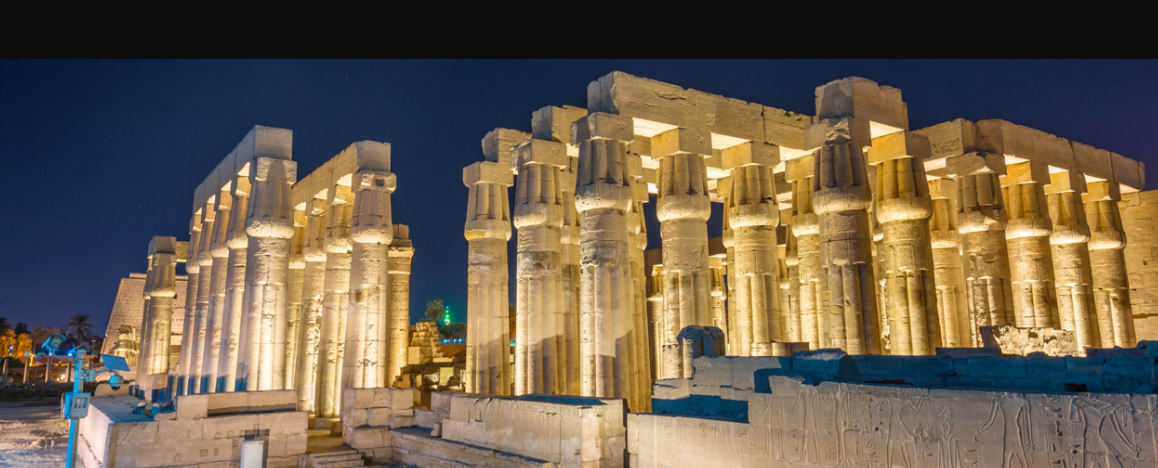
Luxor Temple is especially breathtaking after sunset when carefully designed lighting illuminates its massive columns and statues. Evening visits provide cooler temperatures and create unforgettable photography opportunities.
Because of its central location, Luxor Temple is easily accessible on foot from many hotels and forms an essential stop on nearly every Upper Egypt itinerary.
For travelers seeking to experience the Ancient Egyptian Temples You Should Never Miss, Luxor Temple offers a perfect combination of history, architecture, and atmosphere.
Temple of Hatshepsut Egypt’s Architectural Masterpiece
The Temple of Hatshepsut is one of Egypt’s most extraordinary monuments and undoubtedly one of the Ancient Egyptian Temples You Should Never Miss.
Located beneath the dramatic limestone cliffs of Deir el-Bahari on Luxor’s west bank, the temple was built for Queen Hatshepsut, one of the most successful female rulers in ancient history.
Hatshepsut ruled Egypt during the 18th Dynasty and transformed the kingdom into a prosperous trading empire. Rather than emphasizing military conquest, she invested heavily in commerce, monumental architecture, and diplomatic relations. Her mortuary temple reflects her vision of stability, prosperity, and divine legitimacy.
A Unique Architectural Design
Unlike traditional Egyptian temples, Hatshepsut’s temple consists of three elegant terraces connected by wide ramps. The temple blends seamlessly into the surrounding cliffs, creating one of the most visually striking landscapes in Egypt.
Rows of graceful columns line each terrace, while beautifully carved reliefs decorate the walls with scenes from Hatshepsut’s reign.
Among the most fascinating carvings are depictions of her famous expedition to the mysterious Land of Punt, believed to have been located somewhere along the Red Sea coast.
These reliefs illustrate exotic animals, incense trees, foreign rulers, and trading ships, providing valuable insights into ancient international commerce.
Religious Importance
The temple was dedicated primarily to the god Amun-Ra, although several chapels honored other deities including Hathor and Anubis. Priests conducted rituals here to ensure the queen’s successful journey into the afterlife and her eternal union with the gods.
Many statues portrayed Hatshepsut wearing the traditional false beard and royal regalia usually associated with male pharaohs. These images reinforced her authority as Egypt’s legitimate ruler.
Restoration and Preservation
Following Hatshepsut’s death, many of her statues and inscriptions were deliberately damaged by later rulers attempting to erase her memory from history.
Fortunately, archaeologists have restored much of the temple, allowing modern visitors to appreciate its original grandeur.
Today, the Temple of Hatshepsut remains one of Egypt’s most photographed archaeological sites thanks to its harmonious design and spectacular mountain backdrop.
Temple of Edfu The Best Preserved Temple in Egypt
Located between Luxor and Aswan, the Temple of Edfu is considered one of the finest examples of Ptolemaic architecture.
It is among the Ancient Egyptian Temples You Should Never Miss because it has survived in remarkably complete condition, offering visitors an authentic glimpse into the appearance of an ancient Egyptian temple.
Construction began in 237 BC during the reign of Ptolemy III and continued for almost 180 years.
Dedicated to Horus
The temple honors Horus, the falcon-headed god associated with kingship, protection, and the sky. According to Egyptian mythology, Horus defeated his uncle Seth in a legendary battle to avenge the murder of his father, Osiris.
Many reliefs inside the temple illustrate this mythological struggle, making Edfu one of the best places to learn about Egyptian religion.
Architectural Features
Visitors enter through towering pylons standing nearly 36 meters high, making them among the tallest temple gateways in Egypt.
Inside, the temple features A spacious open courtyard., Magnificent hypostyle halls, Beautifully preserved hieroglyphics, Sacred offering rooms., Hidden staircases leading to the roof, A granite sanctuary that once housed Horus’s sacred statue.
Because much of the temple remained buried beneath desert sand for centuries, its carvings escaped the severe weathering seen at many other archaeological sites.
Why Visit Edfu?
Walking through Edfu feels like stepping back into ancient Egypt. The walls retain an incredible amount of detail, allowing visitors to imagine how temples looked over two thousand years ago.
For historians, photographers, and archaeology enthusiasts, Edfu offers one of the richest experiences in Egypt.
Kom Ombo Temple The Twin Temple of Two Gods
Unlike any other monument in Egypt, Kom Ombo Temple was designed with complete symmetry because it honored two different gods. This remarkable layout makes it one of the Ancient Egyptian Temples You Should Never Miss.
Located on a scenic bend of the Nile River between Luxor and Aswan, the temple was constructed during the Ptolemaic Period.
Two Temples in One
The southern half of the temple was dedicated to Sobek, the crocodile god associated with fertility, strength, and the Nile.
The northern half honored Horus the Elder, the falcon god of protection and kingship.
Each side contains its own entrances, sanctuaries, offering halls, and ceremonial chambers, creating a perfectly balanced architectural design rarely found elsewhere in Egypt.
Medical Reliefs
Kom Ombo is famous for reliefs that depict ancient surgical instruments, medicinal tools, and childbirth scenes. These carvings provide valuable evidence of the advanced medical knowledge possessed by ancient Egyptian physicians.
Visitors can identify images resembling scalpels, forceps, surgical hooks, and measuring instruments carved into the temple walls.
Crocodile Museum
Adjacent to the temple is the Crocodile Museum, where dozens of mummified crocodiles discovered nearby are displayed. Since Sobek was believed to protect the Nile and ensure fertile lands, crocodiles were considered sacred animals and were often mummified after death.
The museum offers fascinating insight into the religious practices associated with crocodile worship.
Sunset Views
Kom Ombo’s location directly beside the Nile makes it one of Egypt’s most picturesque temples. Many Nile cruise passengers arrive in the late afternoon when the golden sunlight reflects off the sandstone walls, creating spectacular scenery for photography.
Abu Simbel Temples Ramses II’s Greatest Monument
Among the Ancient Egyptian Temples You Should Never Miss, none inspire awe quite like the Abu Simbel Temples. Carved directly into a sandstone mountain on the western bank of Lake Nasser in southern Egypt, these colossal temples are considered one of the greatest architectural achievements of the ancient world.
Commissioned by Pharaoh Ramses II around 1264 BC, the temples were built to celebrate his military victories, demonstrate his divine authority, and impress neighboring kingdoms with Egypt’s immense power.
Today, Abu Simbel is recognized as one of the country’s most iconic landmarks and a UNESCO World Heritage Site.
The Great Temple of Ramses II
The larger temple is dedicated to Ramses II himself and the gods Amun-Ra, Ra-Horakhty, and Ptah. Its façade is dominated by four colossal seated statues of Ramses II, each standing approximately 20 meters (66 feet) tall.
Despite thousands of years of exposure to desert winds and occasional earthquakes, these statues remain remarkably intact. One statue was damaged during an ancient earthquake, and fragments of its head still rest at the temple’s entrance.
Visitors entering the temple pass through a magnificent hall supported by eight Osirid pillars, each depicting Ramses II in the form of Osiris, the god of the afterlife. The walls are covered with detailed carvings portraying military campaigns, religious ceremonies, and scenes from the famous Battle of Kadesh.
The Solar Alignment Phenomenon
One of Abu Simbel’s most extraordinary features is its remarkable solar alignment. Twice each year around 22 February and 22 October the rising sun shines directly into the temple’s inner sanctuary.
Its rays illuminate the statues of Amun Ra, Ramses II, and Ra Horakhty while leaving the statue of Ptah, the god associated with darkness and the underworld, in shadow. This incredible feat demonstrates the advanced astronomical knowledge possessed by ancient Egyptian architects.
Thousands of visitors travel to Abu Simbel every year to witness this spectacular event.
The Small Temple of Queen Nefertari
Beside the Great Temple stands a smaller but equally impressive monument dedicated to Queen Nefertari, Ramses II’s beloved wife, and the goddess Hathor.
The temple’s façade features six colossal statues four of Ramses II and two of Nefertari. Remarkably, the queen’s statues are the same height as the king’s, a rare honor in ancient Egyptian art that highlights her importance.
Inside, beautifully preserved reliefs depict Queen Nefertari making offerings to Hathor and participating in sacred rituals.
The Incredible Rescue Project
In the 1960s, construction of the Aswan High Dam threatened to submerge Abu Simbel beneath the waters of Lake Nasser.
An international rescue mission led by UNESCO dismantled both temples into more than 1,000 carefully numbered blocks weighing up to 30 tons each. Engineers then reassembled the temples approximately 65 meters higher and 200 meters farther inland.
This ambitious relocation remains one of the greatest archaeological preservation projects ever undertaken.
Philae Temple The Sacred Home of Isis
Located on Agilkia Island near Aswan, Philae Temple is one of Egypt’s most enchanting archaeological sites. Surrounded by the calm waters of the Nile, the temple appears almost magical as visitors approach by boat.
Dedicated primarily to Isis, the goddess of motherhood, healing, and magic, Philae became one of the last strongholds of ancient Egyptian religion.
History of Philae
Although earlier structures existed on the island, most of the surviving temple complex was built during the Ptolemaic Period and later expanded under Roman emperors.
For centuries, pilgrims journeyed from across Egypt and neighboring lands to worship Isis, whose cult became popular throughout the Mediterranean world.
Even after Christianity spread across Egypt, Philae remained an important religious center until the sixth century AD.
Architectural Beauty
Philae Temple is renowned for its graceful columns, elegant courtyards, decorated gateways, and beautifully carved reliefs.
Highlights include The First Pylon, The Temple of Isis, Trajan’s Kiosk, Birth House and Sacred chapels dedicated to Osiris and Hathor.
Unlike many desert temples, Philae’s riverside setting creates a peaceful atmosphere that enhances the visitor experience.
UNESCO Preservation
Like Abu Simbel, Philae was threatened by rising waters after construction of the Aswan High Dam.
UNESCO launched another ambitious rescue mission, relocating the entire temple complex stone by stone from Philae Island to nearby Agilkia Island.
The restoration preserved not only the architecture but also the temple’s stunning riverside setting.
Why Visit Philae?
Philae offers a unique combination of history, mythology, and natural beauty. The boat ride alone makes visiting the temple a memorable experience, while the well-preserved carvings provide fascinating insights into the worship of Isis.
For photographers, sunrise and sunset create spectacular reflections across the Nile.
Temple of Dendera Egypt’s Best Preserved Ceiling Artwork
Located about 60 kilometers north of Luxor, the Temple of Hathor at Dendera is often overlooked by travelers, yet it remains one of the Ancient Egyptian Temples You Should Never Miss.
Dedicated to Hathor, the goddess of love, music, joy, beauty, and motherhood, the temple is famous for its remarkably preserved architecture and vibrant ceiling decorations.
Outstanding Preservation
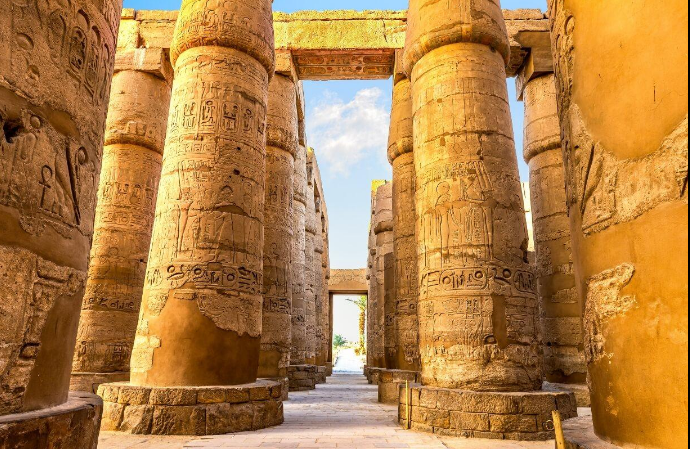
Unlike many Egyptian monuments exposed to centuries of erosion, Dendera remained partially buried beneath sand for long periods. This natural protection preserved much of its original artwork.
Visitors can still admire colorful astronomical ceilings, detailed zodiac carvings, and beautifully decorated chapels.
The Dendera Zodiac
One of the temple’s most famous discoveries is the Dendera Zodiac, an elaborate astronomical relief depicting constellations and celestial bodies.
Although the original zodiac now resides in the Louvre Museum in Paris, an impressive replica remains inside the temple.
The zodiac demonstrates the Egyptians’ sophisticated understanding of astronomy and its connection to religion.
Unique Features
The temple includes Massive hypostyle halls, Underground crypts, Rooftop chapels, Sacred healing chambers and Detailed astronomical ceilings.
Many visitors consider Dendera one of Egypt’s hidden gems because it receives fewer crowds than Luxor or Karnak while offering equally impressive architecture.
Temple of Abydos Egypt’s Holiest Pilgrimage Site
Abydos is one of ancient Egypt’s oldest religious centers and was regarded as the burial place of Osiris, the god of the afterlife.
Because of this association, Egyptians believed visiting Abydos would bring them closer to eternal life.
The magnificent Temple of Seti I remains the site’s greatest attraction.
The Temple of Seti I
Built during the 19th Dynasty, the temple is renowned for its exceptionally detailed carvings.
Many archaeologists consider these reliefs among the finest examples of Egyptian art due to their remarkable precision and depth.
The temple’s walls illustrate religious ceremonies, offerings to the gods, and scenes celebrating Seti I’s reign.
The Abydos King List
Perhaps the temple’s most famous feature is the Abydos King List.
This extraordinary inscription records the names of 76 Egyptian pharaohs in chronological order, making it one of the most valuable historical documents ever discovered.
Historians have relied on the King List to reconstruct much of ancient Egypt’s royal chronology.
Spiritual Importance
For thousands of years, Egyptians traveled to Abydos on pilgrimage.
Many wealthy families even erected memorial chapels near the temple so they could symbolically participate in the sacred rituals performed for Osiris.
Today, Abydos remains one of Egypt’s most fascinating archaeological destinations and an essential stop for travelers interested in ancient religion.
Lesser Known Ancient Egyptian Temples Worth Visiting
While famous monuments attract most visitors, several lesser-known temples offer equally rewarding experiences.
Temple of Esna
Known for its beautifully decorated hypostyle hall and colorful astronomical ceiling, Esna Temple provides fascinating insight into Greco-Roman Egypt.
Kalabsha Temple
Relocated after construction of the Aswan High Dam, Kalabsha Temple honors the Nubian god Mandulis and features remarkably preserved carvings.
Medinet Habu
The mortuary temple of Ramses III boasts massive defensive walls and vividly detailed reliefs depicting military victories and daily life.
These sites receive fewer tourists, allowing visitors to explore at a relaxed pace while appreciating their remarkable history.
Best Time to Visit the Ancient Egyptian Temples You Should Never Miss
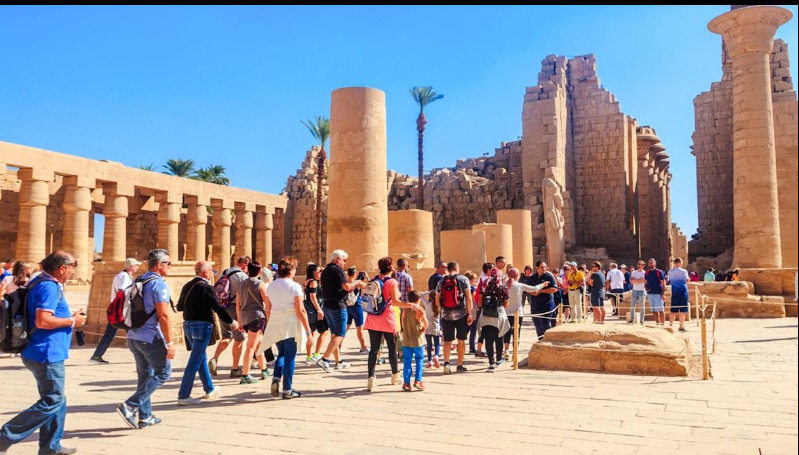
Egypt can be visited year-round, but the experience varies depending on the season. Since many temples are located in Upper Egypt, where temperatures often exceed 40°C (104°F) during summer, choosing the right time to travel is essential.
October to April The Ideal Season
The cooler months from October through April offer the most comfortable weather for exploring archaeological sites. Daytime temperatures generally range between 20°C and 30°C, making it easier to spend several hours walking through temple complexes.
This season is perfect for Exploring Karnak and Luxor Temples, Visiting Abu Simbel without extreme heat, Enjoying Nile River cruises, Taking guided historical tours and Photographing monuments under clear blue skies.
Although this is Egypt’s busiest tourist season, the pleasant weather makes it worthwhile.
May to September
Summer brings fewer tourists and lower hotel prices, but temperatures can become extremely hot, especially in Luxor and Aswan.
If you visit during these months Start sightseeing before 8:00 a.m, Carry plenty of drinking water, Wear breathable clothing, Take breaks in shaded areas, Avoid strenuous activities during midday.
Suggested 7 Day Temple Itinerary
If your goal is to visit the Ancient Egyptian Temples You Should Never Miss, this itinerary allows you to experience Egypt’s most spectacular religious monuments.
Arrival in Luxor
- Visit Luxor Temple.
- Walk the restored Avenue of Sphinxes.
- Enjoy the Luxor Sound and Light experience.
- Explore local markets in the evening.
Karnak Temple and West Bank
Spend the morning exploring Karnak Temple.
Later, visit:
- Temple of Hatshepsut.
- Valley of the Kings.
- Colossi of Memnon.
Edfu and Kom Ombo
Travel south along the Nile.
Explore:
- Temple of Edfu.
- Kom Ombo Temple.
- Crocodile Museum.
Spend the night in Aswan.
Philae Temple
Visit:
- Philae Temple.
- Aswan High Dam.
- Unfinished Obelisk.
Enjoy a traditional felucca boat ride on the Nile during sunset.
Abu Simbel
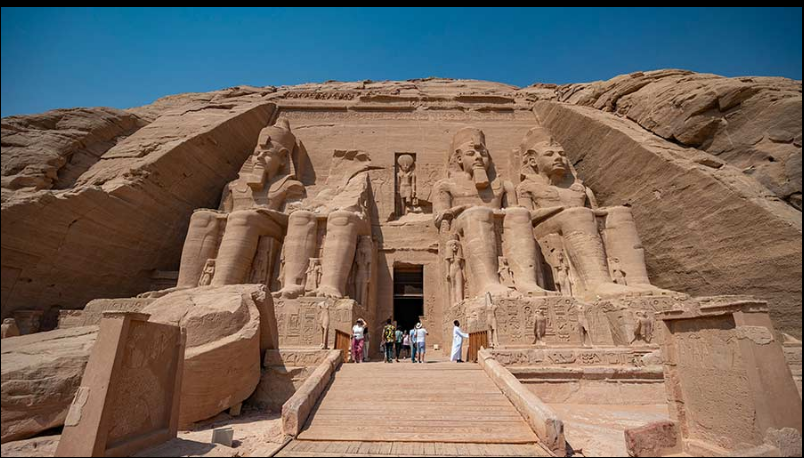
Take an early morning excursion to Abu Simbel.
Spend ample time exploring:
- Great Temple of Ramses II.
- Temple of Queen Nefertari.
- Visitor Center.
Return to Aswan.
Dendera or Abydos
Depending on your interests, travel to either, Temple of Dendera (excellent preservation).Temple of Abydos (religious significance).
Both sites provide unforgettable archaeological experiences.
Cairo Extension
If time permits, continue to Cairo and visit the Egyptian Museum, the Pyramids of Giza, the Great Sphinx, saqqara.
This extension completes an unforgettable journey through Egypt’s ancient civilization.
Essential Travel Tips
Exploring ancient temples involves plenty of walking, so preparation is key.
Dress Comfortably
Choose lightweight clothing made from breathable fabrics.
Comfortable walking shoes are essential because many temple floors consist of uneven stone.
Hire a Knowledgeable Guide
Although many temples have information panels, licensed Egyptologists provide fascinating stories and historical context that greatly enhance your visit.
Respect Archaeological Sites
Help preserve Egypt’s cultural heritage by never climbing on monuments, avoiding touching ancient carvings, following photography regulations, staying within designated visitor areas, properly disposing of litter.
Responsible tourism helps protect these priceless treasures for future generations.
Photography Tips
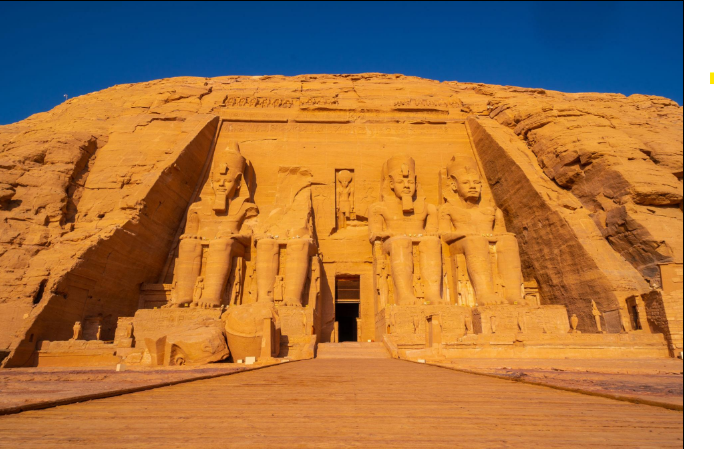
Egypt’s temples provide incredible opportunities for photography.
For the best results Visit shortly after sunrise, photograph during golden hour before sunset, use wide angle lenses for massive columns, capture intricate hieroglyphics in natural light, include people occasionally to show the scale of monuments.
Some temples charge separate fees for professional photography equipment, so check local regulations before visiting.
Why These Temples Continue to Fascinate the World
Thousands of years after their construction, Egypt’s temples remain among humanity’s greatest architectural achievements.
Their enduring appeal comes from several remarkable qualities:
Engineering Excellence
Many structures were built using stone blocks weighing several tons without modern machinery.
Rich Historical Records
Temple walls preserve detailed accounts of battles, coronations, religious ceremonies, diplomacy, and everyday life.
Artistic Masterpieces
Intricate carvings, colorful reliefs, statues, and monumental columns continue to inspire artists and architects worldwide.
Spiritual Legacy
The temples offer insight into one of history’s most sophisticated religious systems, where gods, kings, and nature were deeply interconnected.
Frequently Asked Questions
Which ancient Egyptian temple is the largest?
Karnak Temple is the largest religious complex ever built. Covering more than 100 hectares, it contains temples, chapels, obelisks, sacred lakes, and colossal halls constructed over nearly two thousand years.
Which temple is the oldest?
Some temples at Abydos date back to Egypt’s earliest dynasties, although many visible structures were rebuilt during later periods.
Which temple is best preserved?
The Temple of Edfu is widely regarded as Egypt’s best-preserved ancient temple because it remained buried beneath sand for centuries.
Are these temples suitable for children?
Yes. Families often enjoy exploring Egypt’s temples, especially with knowledgeable guides who explain myths and stories in engaging ways.
How many days are needed to visit the major temples?
A well-planned itinerary requires approximately 7 to 10 days to comfortably explore Luxor, Aswan, Abu Simbel, Dendera, and Abydos.
Can these temples be visited during a Nile cruise?
Absolutely. Most Nile cruises include stops at Karnak Temple, luxor temple, temple of Edfu, Kom Ombo Temple, philae Temple
Optional excursions to Abu Simbel are usually available from Aswan.
The Ancient Egyptian Temples You Should Never Miss stand as enduring symbols of one of the world’s greatest civilizations.
Their towering columns, colossal statues, sacred sanctuaries, and beautifully carved hieroglyphics reveal a society that combined remarkable engineering, artistic brilliance, and profound spiritual beliefs.
From the immense grandeur of Karnak Temple and the timeless elegance of Luxor Temple to the awe inspiring rock-cut monuments of Abu Simbel, each temple tells a unique story of pharaohs, gods, and the people who shaped ancient Egypt.
Whether you are a history enthusiast, an archaeology lover, a photographer, or simply a traveler seeking unforgettable experiences, these remarkable temples offer an extraordinary journey through more than 3,000 years of civilization.
Exploring them is not just a sightseeing adventure, it is an opportunity to connect with the legacy of one of humanity’s most influential cultures.
As you plan your Egyptian adventure, contact Rosamy Africa Safaris Tours and travel ltd, be sure to include these incredible monuments in your itinerary. The Ancient Egyptian Temples You Should Never Miss promise memories, discoveries, and inspiration that will last a lifetime.