What You Need to Know
Africa safari vaccinations often raise more questions than any other part of trip planning. Which ones are required? Which are simply recommended? In this guide, we break down exactly what you need to know about Africa safari vaccinations before you travel. From yellow fever certificates to malaria prevention, understanding these requirements early makes your trip safer and far less stressful.
Why Africa Safari Vaccinations Matter
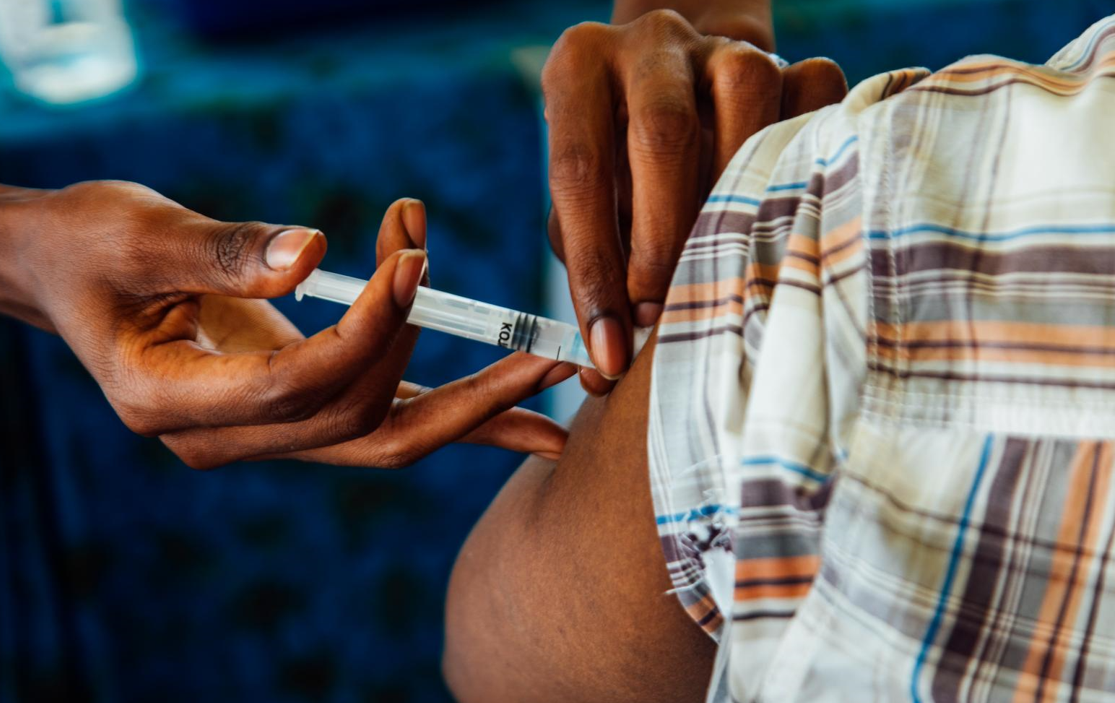
Safari destinations often sit far from major hospitals, and disease risk varies by region. Consequently, Africa safari vaccinations protect you against illnesses that are far more common there than at home. Additionally, some countries legally require proof of vaccination before allowing entry. Therefore, understanding these requirements early prevents last-minute travel disruptions. Most health authorities recommend visiting a travel clinic six to eight weeks before departure.
Yellow Fever: The Most Important Requirement
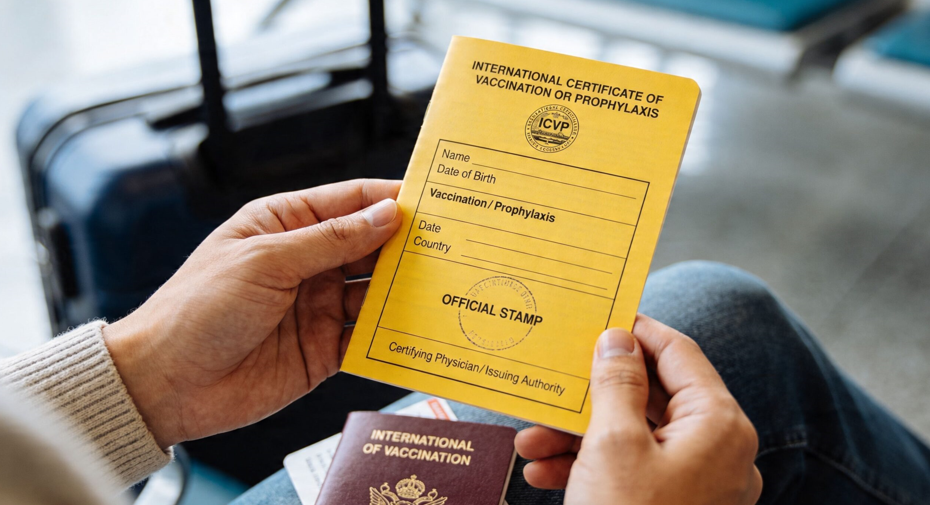
Yellow fever sits at the center of most Africa safari vaccinations discussions. Uganda requires proof of vaccination for all international travelers, regardless of origin. Kenya, Tanzania, and Rwanda require it only if you’re arriving from, or transiting through, a yellow fever-endemic country. However, since many safari itineraries combine multiple countries, this requirement applies to most travelers regardless. You must receive the vaccine at least ten days before entering an affected area, since it takes time to become effective. Only certified travel clinics can issue the official International Certificate of Vaccination, often called the yellow card.
Malaria Prevention on Safari
Unlike yellow fever, no vaccine currently exists for malaria. Instead, prevention relies on antimalarial medication and mosquito avoidance. Malaria risk varies significantly by altitude and region across East Africa. For instance, risk remains low in Nairobi’s highlands but rises sharply in areas like the Maasai Mara or Serengeti. Consult your doctor about the right antimalarial medication for your specific itinerary. Additionally, sleeping under a treated mosquito net and using strong repellent significantly reduce your risk.
Other Recommended Vaccinations
Beyond yellow fever and malaria prevention, several other vaccinations are commonly recommended for Africa safari vaccinations checklists. Hepatitis A and Typhoid protect against food and water-borne illness. Tetanus and Diphtheria boosters should be up to date, particularly if your trip includes trekking or rural travel. Depending on your itinerary, doctors may also recommend Hepatitis B, Rabies, or Meningitis vaccines. A thorough travel clinic consultation ensures your specific route and activities are properly covered.
Health Considerations for Gorilla Trekking
If your itinerary includes gorilla trekking, additional health precautions apply. Because gorillas share close genetic similarity with humans, they’re susceptible to human illnesses. Consequently, travelers with colds, flu, or other contagious symptoms may be asked to skip their trek. Building strong physical fitness also matters significantly for this activity. For more guidance, read our detailed guide on Gorilla Trekking Fitness: How to Prepare for Volcanoes National Park. Combining good health practices with physical preparation protects both you and the gorillas you’ll encounter.
General Health and Safety on Safari
Vaccinations are just one part of staying healthy on safari. Drinking bottled or purified water helps avoid stomach illness. Most reputable lodges provide safe drinking water, though bottled water remains the standard choice. Pack a basic first-aid kit including pain relievers, antihistamines, and any personal prescription medication. For broader safety guidance beyond health alone, check our related article on Safety Tips for Travel in Africa. Combining good health preparation with general safety awareness rounds out a smart travel plan. Read this alongside our Safety Trips For Travel In Africa guide before you fly.
Trusted Resources for Health Guidance
Since requirements can change, always verify current information before you travel. The World Health Organization publishes updated guidance on disease risk and vaccination recommendations by country. Similarly, the CDC Travelers’ Health page offers detailed, destination-specific health advice. Checking both sources alongside your doctor’s recommendation gives you the most accurate picture for your specific trip.
Building Your Pre-Trip Health Checklist
A simple checklist helps ensure nothing gets missed before departure. First, book a travel clinic appointment six to eight weeks ahead. Second, confirm yellow fever requirements for every country on your itinerary. Third, discuss antimalarial options suited to your travel dates and destinations. Finally, pack any personal medications and copies of your vaccination certificate. Browse our full range of Uganda and Rwanda gorilla safaris once your health preparations are sorted, so you can focus on the adventure ahead.
Final Thoughts on Africa Safari Vaccinations
Ultimately, Africa safari vaccinations shouldn’t feel overwhelming once you understand the basics. Yellow fever remains the key legal requirement across much of East Africa, while malaria prevention and routine vaccines round out a solid health plan. Taking these steps early protects both your health and your travel plans. Ready to start planning your safari? Contact our team today, and we’ll help you prepare for a safe, healthy, and unforgettable trip.