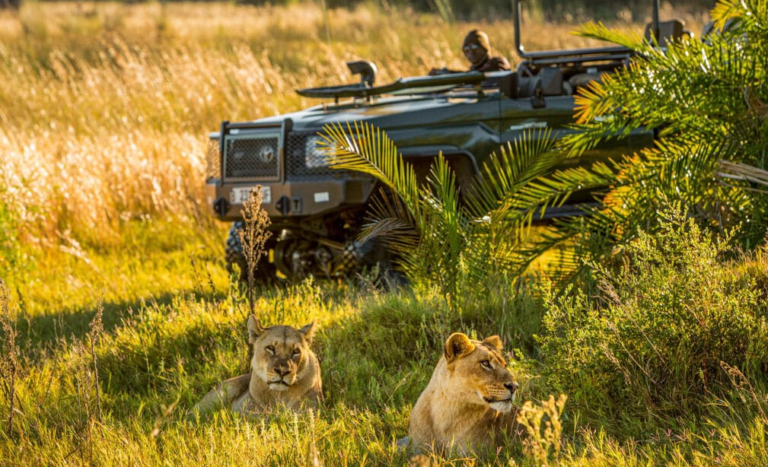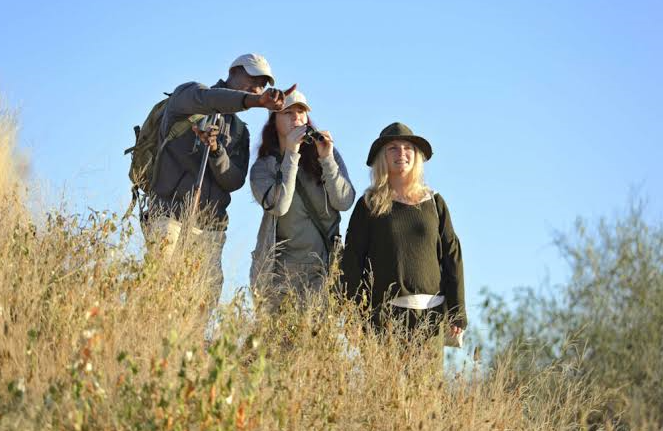
The thrill of watching a wild lion or a mountain gorilla up close is exactly why people travel to Africa, but that closeness comes with real responsibility. Responsible wildlife viewing in Africa isn’t just a nice-to-have guideline, it’s the difference between a safari that supports conservation and one that quietly undermines it. Animals stressed by too many vehicles, habituated to human food, or exposed to disease from careless visitors don’t just have a worse day, they can suffer lasting harm. This guide covers the essential rules of responsible wildlife viewing in Africa, so you can enjoy an unforgettable encounter without becoming part of the problem.
Why Responsible Wildlife Viewing in Africa Matters
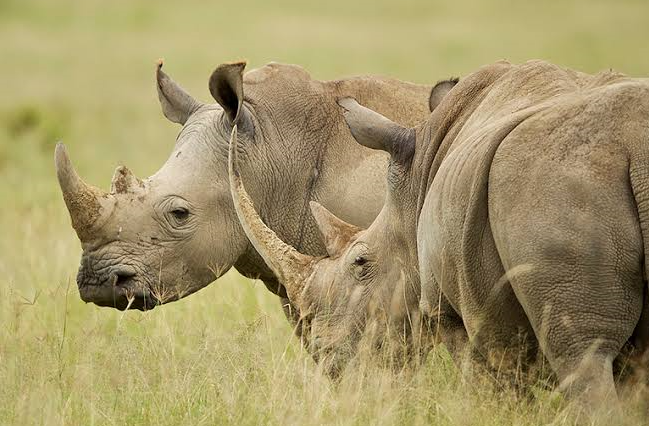
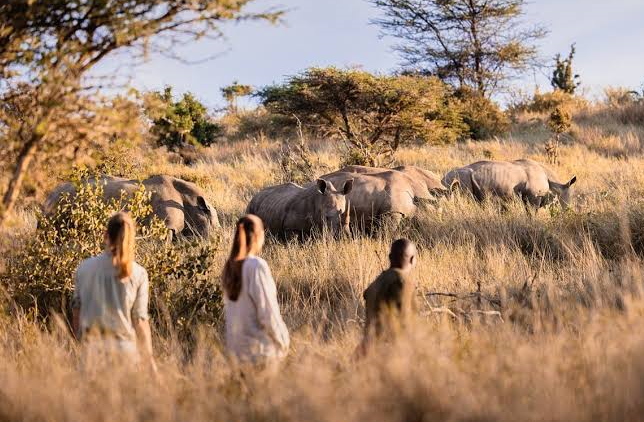
Wildlife tourism generates significant revenue that funds conservation across the continent, but that relationship only holds if the animals themselves aren’t harmed in the process. Overcrowded sightings, vehicles pressing too close, or tourists ignoring guide instructions can stress animals, alter their natural behavior, and in some cases put both wildlife and visitors at risk. Responsible wildlife viewing in Africa protects the very experience travelers are paying for, ensuring these encounters remain possible for generations of future visitors.
Rule 1: Maintain a Safe and Respectful Distance
Every species and park has specific distance guidelines, and they exist for good reason. Getting too close can trigger defensive behavior in predators, cause herbivores to flee (burning energy they can’t easily replace), and in the case of great apes, risks disease transmission between humans and animals who share close to 98% of our DNA. Always follow your guide’s instructions on distance rather than pushing for a closer photo.
Rule 2: Never Feed Wild Animals
Feeding wildlife, even seemingly harmless snacks, teaches animals to associate humans with food, which can lead to aggressive behavior toward future visitors and often ends badly for the animal once it starts approaching vehicles or camps looking for a handout. Reputable lodges and guides strictly prohibit feeding, and any operator who allows it should raise a red flag about their broader wildlife practices.
Rule 3: Limit Time and Group Size Around Sensitive Species
Species like mountain gorillas have strict rules around group size (typically capped at eight visitors) and time spent with a habituated family (usually limited to one hour), specifically to minimize stress and disease risk. These aren’t arbitrary restrictions, they’re based on years of research into what level of human contact these animals can tolerate without lasting impact on their health or behavior.
Rule 4: Stay Quiet and Keep Movements Slow
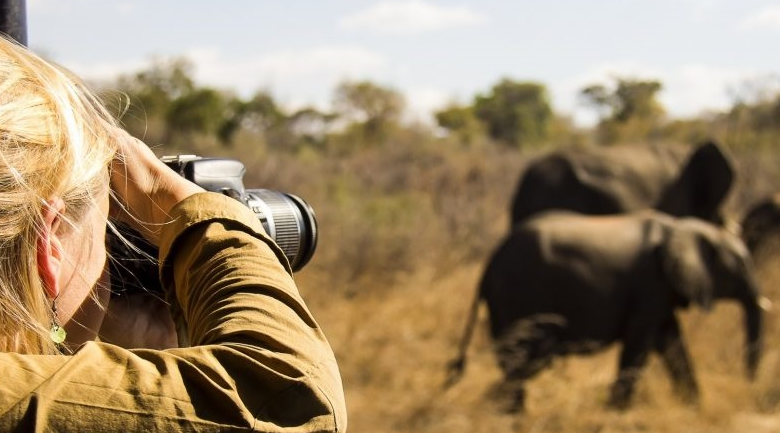
Loud noises and sudden movements can startle wildlife, disrupt natural behavior, and in predator sightings, potentially interrupt a hunt that an animal depends on for survival. Responsible wildlife viewing in Africa means speaking softly, avoiding flash photography where prohibited, and letting your guide dictate the pace of any approach.
Rule 5: Never Encourage a Guide to Break the Rules
It’s tempting to ask a guide to drive off-road for a better angle or get closer “just this once,” but doing so puts pressure on guides to bend rules that exist for good reason. The best safari operators train their guides to say no to these requests, and travelers practicing responsible wildlife viewing in Africa should support that, not push against it.
Rule 6: Choose Operators with Genuine Conservation Commitments
Not every operator markets itself accurately when it comes to responsible practices. Look for companies with transparent conservation partnerships, guides trained in ethical wildlife interaction, and a track record of following, not bending, park regulations. This due diligence matters as much as your behavior in the field.
Seeing Responsible Wildlife Viewing in Practice
The clearest way to understand what responsible wildlife viewing in Africa actually looks like is to see it described firsthand, from the pacing of an approach to the quiet discipline required around a habituated animal. See what respectful viewing looks like in Silverback Gorilla in the Wild: A Face-to-Face Encounter, which walks through exactly how a well-run gorilla trekking encounter unfolds under proper guide supervision.
What to Do If You Witness Irresponsible Behavior
If you see another vehicle or traveler ignoring distance guidelines, feeding animals, or pressuring a guide to break park rules, it’s worth reporting the behavior to park authorities where possible, or at minimum, choosing not to book with that operator again. Responsible wildlife viewing in Africa depends on collective pressure from travelers who expect and demand ethical practices, not just individual good behavior.
A Broader Standard for Responsible Tourism
These rules sit within a broader framework of responsible tourism guidance that applies well beyond wildlife viewing specifically. The World Tourism Organization publishes wider guidance on sustainable and responsible travel practices that’s worth reviewing if you want to extend these principles across your entire trip, not just your wildlife encounters.
Final Thoughts
Responsible wildlife viewing in Africa isn’t about limiting your experience, it’s about ensuring the encounters that draw travelers to the continent in the first place remain possible without harming the animals involved. Respecting distance guidelines, resisting the urge to feed or approach wildlife, and choosing operators who take conservation seriously all play a part in keeping Africa’s wildlife tourism sustainable for the long term.
Planning a safari and want an operator that takes this seriously? Get in touch with Africa Safari Tours to build a trip grounded in responsible, ethical wildlife viewing practices from start to finish.