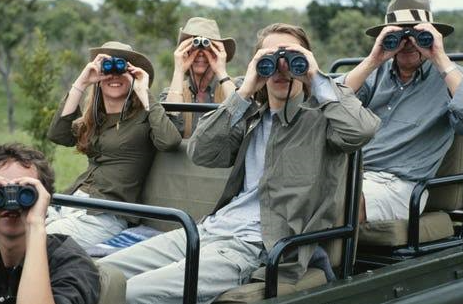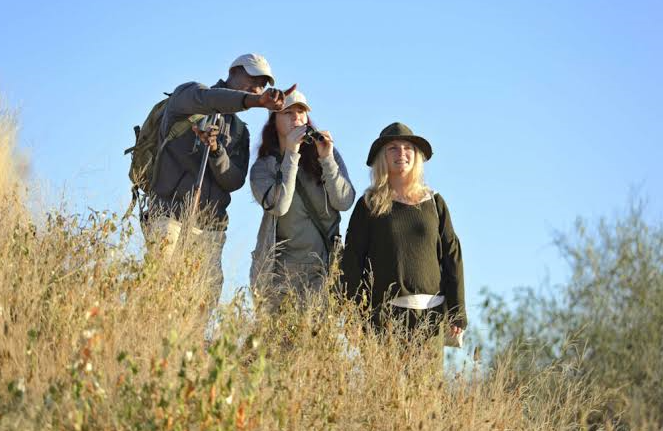
There’s a particular kind of magic in having a waterhole, a river crossing, or a pride of lions entirely to yourself, no other vehicles in sight, no jostling for the best angle. That’s the appeal of quiet Africa safari parks, destinations that offer the same quality of wildlife and scenery as Africa’s household-name reserves, without the queues of vehicles that can sometimes crowd sightings in places like the Maasai Mara or Kruger during peak season. This guide highlights some of the continent’s best quiet Africa safari parks, the kind of places seasoned safari travelers seek out once they’ve done the classics and want something more solitary.
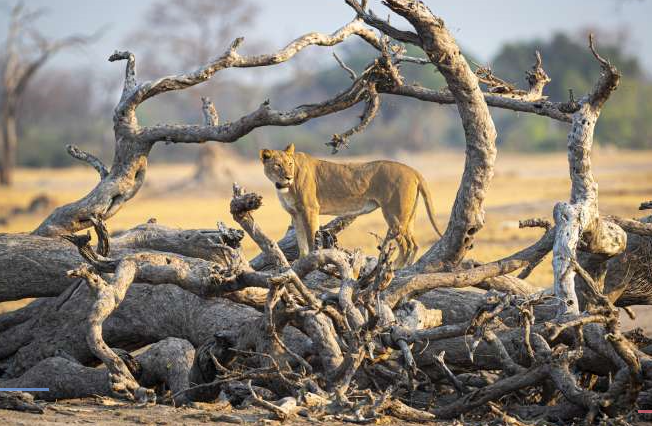
Why Choose Quiet Africa Safari Parks?
Popular reserves earn their reputation for good reason, reliable wildlife sightings and well-developed infrastructure. But that popularity comes with trade-offs: multiple vehicles converging on a single leopard sighting, fuller lodges, and a less private experience overall. Quiet Africa safari parks trade a small amount of sighting predictability for something many travelers now value more: solitude, a genuine sense of wilderness, and often more attentive, less rushed guiding, since your guide isn’t competing with a dozen other vehicles for the same animal.
Kidepo Valley National Park, Uganda
Tucked away in Uganda’s remote northeastern corner, bordering South Sudan and Kenya, Kidepo Valley National Park is widely regarded as one of Africa’s most underrated wildlife destinations. It’s home to over 77 mammal species, including lion, cheetah, and large buffalo herds, set against a dramatic backdrop of savannah plains and distant mountain ranges. Because of its remote location, Kidepo receives a tiny fraction of the visitors that flock to Uganda’s more accessible parks, making it one of the standout quiet Africa safari parks on the continent. A light aircraft transfer from Entebbe makes reaching Kidepo far more practical than the long road journey once required.
South Luangwa National Park, Zambia
While South Luangwa has grown in popularity in recent years, it remains far less crowded than East Africa’s flagship reserves, and much of the park’s wilder, more remote sectors still see very few vehicles per sighting. As the birthplace of the modern walking safari, South Luangwa also offers a naturally quieter style of game viewing, since walking parties are small and move at a slower, more deliberate pace than a convoy of safari vehicles.
Damaraland and Kaokoland, Namibia
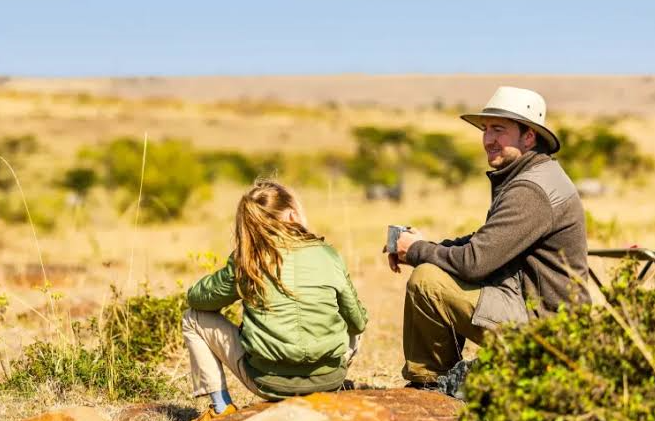
Namibia’s vast, sparsely populated landscapes make much of the country feel remote by default, but Damaraland and the more far-flung Kaokoland region take that further. Here, desert-adapted elephant and black rhino roam across huge, open territories, and community-run conservancies limit visitor numbers to protect both the wildlife and the sense of untouched wilderness. Sightings take more patience than in a densely stocked reserve, but the reward is having that patience largely to yourself.
Nyerere National Park (Selous), Tanzania
Tanzania’s Nyerere National Park, formerly part of the Selous Game Reserve, is Africa’s largest protected wildlife area, yet it remains far less visited than the Serengeti or Ngorongoro Crater. Boat safaris along the Rufiji River offer a distinctive way to view wildlife, and the park’s sheer size means vehicle density stays low even during peak season, making it one of the more accessible quiet Africa safari parks for travelers already planning a Tanzania trip.
Liwonde National Park, Malawi
Often overlooked entirely in favor of its larger regional neighbors, Liwonde National Park has undergone a significant conservation turnaround in recent years, with reintroduced lion, cheetah, and a growing black rhino population along the Shire River. Malawi receives a fraction of the safari tourism that flows to Kenya, Tanzania, or South Africa, which keeps parks like Liwonde genuinely uncrowded, even as wildlife numbers recover.
What to Expect from Quiet Africa Safari Parks
Choosing quiet Africa safari parks usually involves a few trade-offs worth knowing in advance:
- Longer or more expensive transfers. Remote parks are often reached by light aircraft rather than road, adding cost but cutting travel time.
- Less guaranteed sighting frequency. Lower wildlife density in some remote parks means sightings may take more patience, though this varies significantly by destination.
- Fewer accommodation choices. Remote parks typically have a handful of camps rather than dozens of lodges, so booking ahead matters more.
- A genuinely different atmosphere. The trade-off for the above is a rare sense of true wilderness, with wildlife encounters that feel earned rather than staged.
A Standout Example: Kidepo Valley
If solitude and genuine wilderness are what you’re after, Kidepo Valley remains one of the clearest examples of what a quiet Africa safari park can offer. For a remote, low-traffic option, see our Kidepo Valley National Park Fly-In Safari, which covers how to reach this remote corner of Uganda without the long overland drive.
Tips for Planning a Trip to Quiet Africa Safari Parks
- Book well ahead, since remote camps often have limited beds and can sell out even without headline visitor numbers.
- Budget for light aircraft transfers, which are often the most practical way to reach these destinations.
- Set realistic sighting expectations, and talk to your operator about the specific wildlife each park is known for.
- Consider pairing a quiet park with a classic reserve for a trip that balances guaranteed sightings with a taste of genuine wilderness.
For conservation status and broader context on Africa’s protected wildlife areas, the African Wildlife Foundation publishes useful background on many of these lesser-visited regions.
Final Thoughts
Quiet Africa safari parks aren’t necessarily “better” than the continent’s famous reserves, but they offer something increasingly hard to find: genuine solitude, unhurried guiding, and the sense of discovering a place rather than simply visiting it. Whether it’s Kidepo’s remote plains, South Luangwa’s walking trails, or Namibia’s desert-adapted wildlife, these destinations reward travelers willing to trade a little predictability for a lot more wilderness.
Ready to explore somewhere quieter? Get in touch with Africa Safari Tours to build a trip around some of Africa’s least crowded, most rewarding wildlife parks.