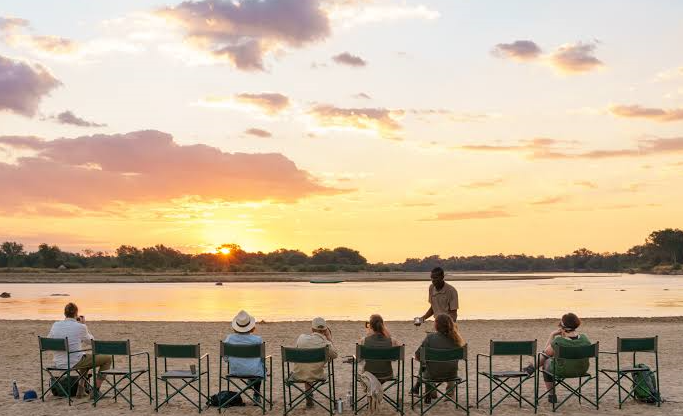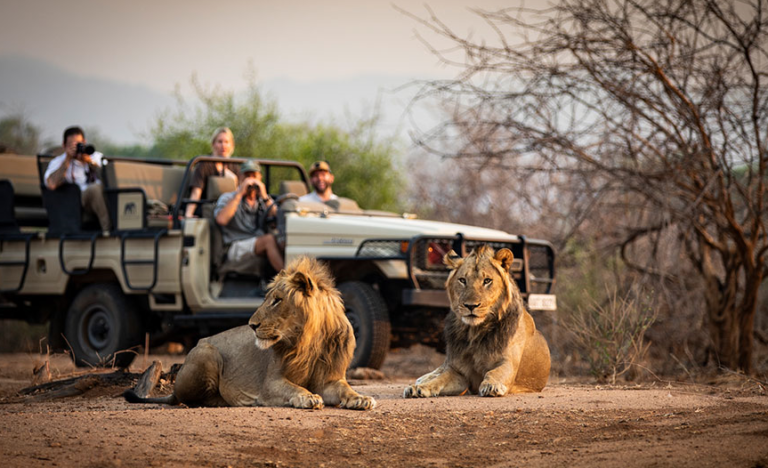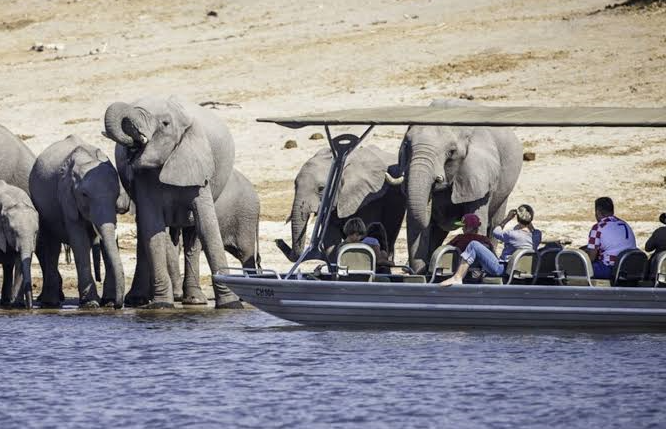
Every game drive fee, every gorilla permit, every night spent in a safari lodge does more than fund your own adventure, it quietly funds rangers, anti-poaching patrols, and the communities living alongside Africa’s wildlife. Understanding how safari tourism supports wildlife conservation changes the way many travelers see their trip: not just as a vacation, but as a direct contribution to protecting the animals they’ve come to see.
The Direct Link Between Tourism and Conservation Funding
Across much of Africa, national parks and conservation areas rely heavily on tourism revenue to fund their operations. Park entrance fees, guided activity charges, and trekking permits go toward ranger salaries, anti-poaching units, habitat management, and research. In many countries, this revenue is one of the largest, most consistent sources of conservation funding available, which means every traveler who books a safari is, in effect, part of the protection effort.
Gorilla Trekking Permits: A Conservation Success Story
Few examples illustrate this better than mountain gorilla trekking in Uganda and Rwanda. Decades ago, mountain gorillas were critically endangered, with numbers in the low hundreds. Today, thanks largely to tourism-funded conservation, their population has grown steadily, and they’ve been reclassified from “critically endangered” to “endangered”, a genuine rarity in conservation history.
Trekking permits, though expensive, fund habituation programs, veterinary care for gorilla families, and the rangers who protect them daily from poaching and habitat loss. We’ve written in detail about exactly how this works, see Gorilla Trekking Permits: How They Fund Conservation in Africa for a full breakdown of where permit fees actually go.
Community-Based Conservation
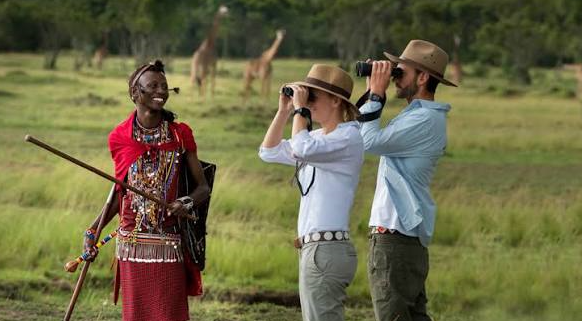
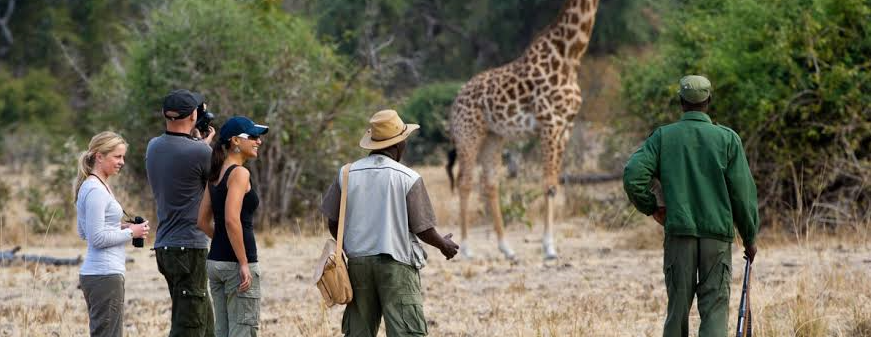
Safari tourism doesn’t only fund parks directly, it also supports the communities living around them. Many lodges and camps employ local staff, source food and crafts locally, and contribute to community development funds. When communities benefit economically from wildlife tourism, they have a strong incentive to protect that wildlife rather than compete with it for land and resources. This shift, from viewing wildlife as a threat to viewing it as a livelihood, has been one of the most powerful conservation tools of the last few decades.
Anti-Poaching and Habitat Protection
Ranger patrols, aerial surveillance, and habitat restoration projects across parks like Queen Elizabeth, Serengeti, and Kruger are largely funded through park fees and tourism partnerships. Poaching remains a serious threat to species like rhino and elephant, and the presence of well-funded, well-staffed ranger teams, made possible by steady tourism income, is one of the most effective deterrents available.
Responsible Tourism: How Travelers Can Maximize Their Impact
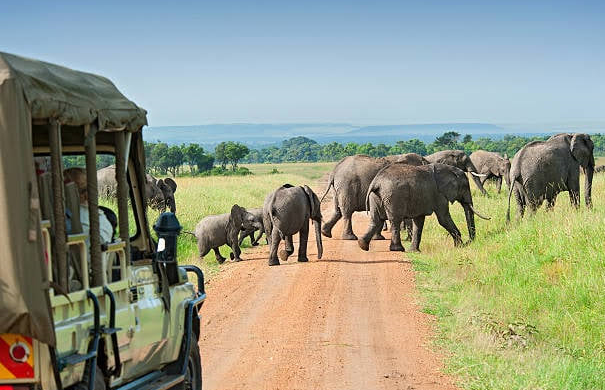
Not all tourism contributes equally to conservation. Choosing operators and lodges that are transparent about where fees go, that employ local guides and staff, and that operate within official park guidelines all strengthen the link between your trip and genuine conservation outcomes. Avoiding operations that prioritize volume over sustainability, overcrowded vehicles, off-track driving, disturbing wildlife for photos, also matters more than many travelers realize.
Why This Matters for Every Traveler
Understanding how safari tourism supports wildlife conservation doesn’t just make for a more meaningful trip, it also helps travelers make better choices about who they book with. A well-run safari genuinely leaves parks, wildlife, and communities better off than before you arrived, and that’s a rare thing to say about any form of travel.
Plan a Safari That Gives Back
If you’d like your next trip to do more than create memories, if you want it to genuinely support the wildlife and communities you’ll encounter, we can help you choose parks, permits, and operators built around real conservation outcomes. Get in touch with our team to start planning a safari that matters.