Risk Areas and Prevention Tips
Malaria and Africa safaris often get mentioned in the same breath, and for good reason. Many popular safari destinations sit within malaria-risk zones. However, this shouldn’t discourage you from traveling. In this guide, we break down exactly where risk exists, which areas remain low-risk, and how to protect yourself effectively. Understanding malaria and Africa safaris together helps you travel confidently, rather than anxiously.
Why Risk Varies So Much Across Africa
Understanding malaria and Africa safaris starts with recognizing that risk isn’t uniform. Altitude plays a major role, since the mosquitoes that transmit malaria struggle above roughly 1,800 to 2,000 meters. Consequently, highland areas carry significantly lower risk than coastal or low-lying regions. Rainy seasons also increase risk, since standing water creates mosquito breeding grounds. A single itinerary can move through genuinely different risk zones within just one week.
Malaria Risk by Destination
When considering malaria and Africa safaris together, risk levels shift noticeably by country and region. In Kenya, risk is generally lower in Nairobi and the highlands, but rises along the coast and in the Maasai Mara lowlands. Tanzania carries widespread risk across most circuits, though areas around the Ngorongoro Crater rim and Kilimanjaro’s slopes see reduced exposure. Uganda and Rwanda, given their higher elevations in gorilla trekking regions, generally carry lower risk than lowland savanna areas. South Africa concentrates most risk in low-lying eastern regions like Kruger National Park, particularly during wetter summer months.
Malaria-Free Safari Destinations
If avoiding malaria entirely is a priority, several excellent destinations fit the bill. South Africa’s Addo Elephant National Park and Madikwe Game Reserve offer malaria-free Big Five safaris. Namibia’s central highlands, Namib Desert, and Skeleton Coast also carry minimal to no risk. These destinations prove especially popular among families traveling with young children or pregnant travelers, since doctors typically advise against antimalarial medication during pregnancy.
Prevention: What Actually Works
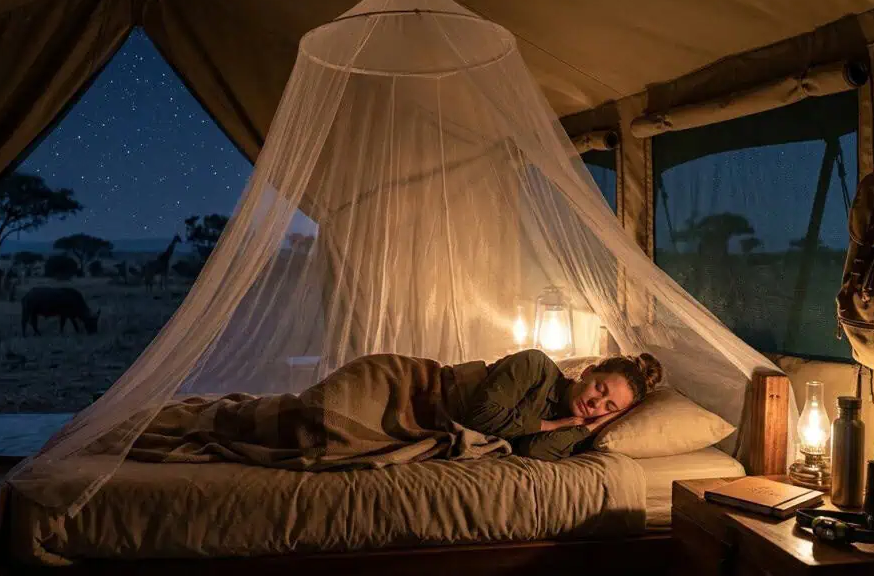
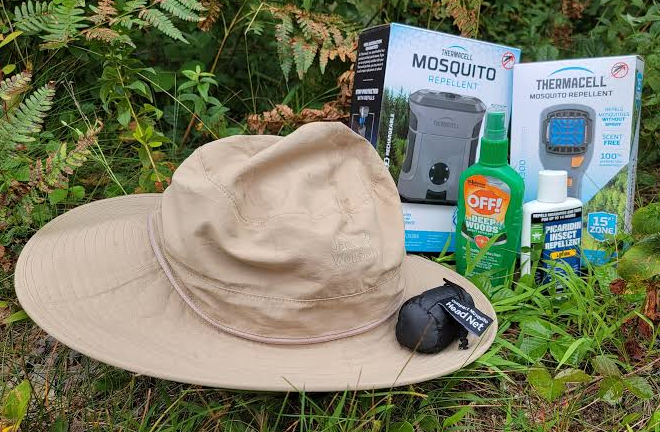
Effective prevention combines medication with mosquito avoidance. Antimalarial medication, prescribed by your doctor or travel clinic, significantly reduces infection risk if exposure occurs. Beyond medication, sleeping under a treated mosquito net matters considerably in higher-risk areas. Wearing long sleeves and trousers during dawn and dusk hours, when mosquitoes are most active, adds another layer of protection. Strong insect repellent containing DEET further reduces bite risk throughout your trip.
Health Precautions for Gorilla Trekking
Travelers combining gorilla trekking with their itinerary should pay particular attention to overall health precautions. For broader guidance on staying safe throughout your trip, read our article on Safety Trips For Travel In Africa for a full health checklist. Combining malaria prevention with general safety awareness creates a well-rounded approach to health on safaris.
Seasonal Timing and Risk Levels
Timing your trip can meaningfully affect malaria exposure. Dry season travel generally carries lower risk, since fewer mosquitoes breed without standing water. Rainy season, while excellent for lush scenery and birdlife, increases mosquito activity considerably. If malaria risk is a significant concern, discussing seasonal timing with your travel clinic helps you choose dates that minimize exposure without sacrificing wildlife viewing quality.
Consulting a Travel Clinic Before You Go
Because malaria and Africa safaris involve genuinely variable risk, a proper pre-trip consultation matters far more than generic online advice. According to the World Health Organization, malaria prevention recommendations vary by destination, season, and individual health factors. Booking a travel clinic appointment six to eight weeks before departure ensures you receive current, personalized guidance rather than outdated information.
Combining Malarial and Non-Malarial Legs
Many itineraries combine a malarial safari leg with a non-malarial city stay or beach extension. If your trip follows this pattern, flag both halves clearly to your travel clinic, since prevention strategies may differ between them. Planning ahead this way prevents confusion and ensures consistent protection throughout your entire journey.
Traveling Confidently Despite the Risk
Ultimately, malaria and Africa safaris shouldn’t be a reason to cancel your dream trip. Millions of travelers visit malaria-risk regions safely each year, thanks to proper precautions and awareness. Browse our full range of Uganda and Rwanda gorilla safaris to explore itineraries across varying risk regions. With the right preparation, you can focus on the wildlife, not the worry.
Final Thoughts on Malaria and Africa Safaris
Understanding malaria and Africa safaris together comes down to knowing where risk exists and how to manage it effectively. Altitude, season, and destination all shape your exposure level, while medication and mosquito avoidance offer strong protection. Whether you choose a malaria-risk region or a malaria-free destination, informed preparation makes all the difference.
Ready to plan your safari with confidence? Contact us today, and we’ll help you prepare for a safe, healthy trip.