Why the Virunga Mountains Are the Heart of It All
Gorilla tourism in Africa did not begin by accident. It grew out of one specific place: the Virunga Mountains, a chain of volcanoes spanning Rwanda, Uganda, and the Democratic Republic of Congo. This small mountain range holds more than half of the world’s remaining mountain gorillas. As a result, it has become the single most important destination for anyone interested in primate conservation and eco-travel. In this guide, Rosamy Africa explains why the Virunga Mountains sit at the center of gorilla tourism in Africa, and how you can experience them responsibly.
What Makes the Virunga Mountains So Important?
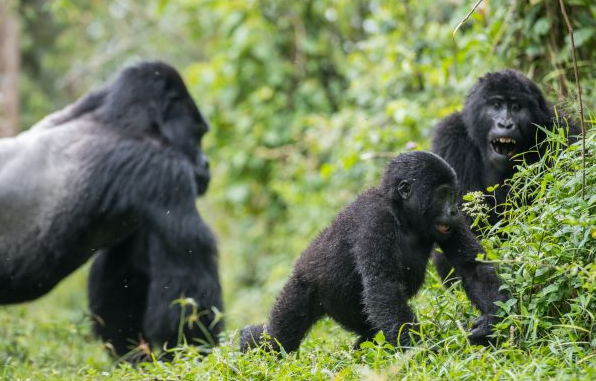
The Virunga Mountains consist of eight volcanoes, several of them still active. Dense montane forest covers their slopes, creating ideal habitat for mountain gorillas. Unlike lowland gorillas, mountain gorillas cannot survive in captivity. Therefore, protecting their wild habitat is the only path to their long-term survival.
This geography also explains why gorilla tourism in Africa is concentrated here rather than spread evenly across the continent. Volcanoes National Park in Rwanda, Mgahinga Gorilla National Park in Uganda, and Virunga National Park in Congo all sit within this single mountain chain. Consequently, three countries share responsibility for one interconnected gorilla population.
For background on the region’s conservation status, see the IUCN Red List entry on mountain gorillas.
A Brief History of Gorilla Tourism in Africa
Gorilla tourism in Africa traces its roots to the 1970s, when researcher Dian Fossey began studying mountain gorillas in the Virunga Mountains. Her work drew global attention to the species and its shrinking habitat. However, tourism as a conservation tool did not take shape until the 1980s, when Rwanda launched its first structured trekking program.
The results were striking. As tourism revenue grew, poaching declined, and gorilla numbers slowly began to recover. Uganda and Congo later adopted similar models. Today, this transboundary approach stands as one of Africa’s clearest examples of tourism directly funding wildlife recovery.
From Near Extinction to Recovery
By the late 1970s, mountain gorilla populations had dropped below 300 individuals. Poaching, habitat loss, and regional conflict pushed the species toward extinction. Gorilla tourism in Africa changed that trajectory. Today, the total mountain gorilla population exceeds 1,000, according to recent surveys by conservation partners across the three range countries.
A Model for Transboundary Conservation
Because gorilla families move freely across national borders, Rwanda, Uganda, and Congo coordinate closely on conservation policy. This cooperation is managed in part through the Greater Virunga Transboundary Collaboration, a joint initiative supporting shared conservation goal.
Why Tourists Choose the Virunga Mountains
Travelers interested in gorilla tourism in Africa consistently choose the Virunga Mountains over other destinations. Several factors explain this preference.
High Gorilla Habituation Success
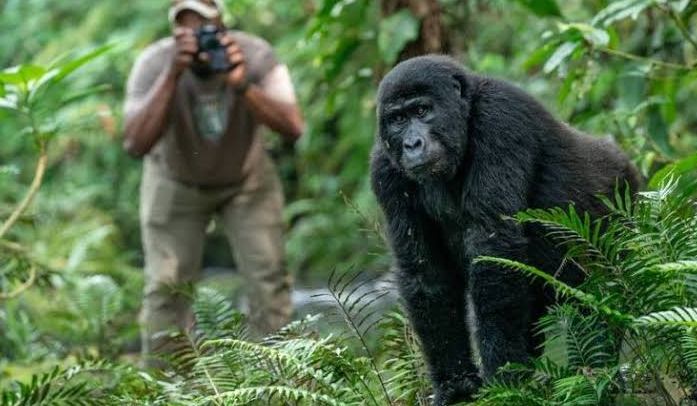
Habituated gorilla families are accustomed to human presence, making sightings far more reliable. The Virunga Mountains host some of the most successfully habituated gorilla groups on the continent. As a result, trekkers enjoy consistent, close-range encounters that are difficult to match elsewhere.
Dramatic Volcanic Scenery
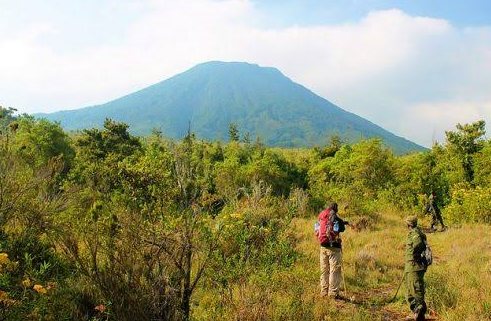
Beyond the gorillas themselves, the landscape draws visitors on its own merit. Steep volcanic peaks, bamboo forests, and misty valleys create a striking backdrop for trekking. Many travelers describe the scenery as equally memorable as the wildlife encounters.
Established Tourism Infrastructure
Decades of investment have built reliable roads, park facilities, and lodging options around the Virunga Mountains. This infrastructure makes logistics more manageable compared to newer or less-developed gorilla trekking sites. Rosamy Africa relies on this established network to design smooth, well-organized itineraries.
How Rosamy Africa Supports Gorilla Tourism in Africa
Rosamy Africa has built its reputation around responsible, well-planned trekking experiences in the Virunga region. Our approach reflects the same principles that made this destination successful in the first place.
Permit Coordination Across Borders
Because gorilla tourism in Africa spans three countries, permit logistics can be complicated. Rosamy Africa manages bookings across Rwanda, Uganda, and Congo, allowing travelers to combine destinations without handling multiple applications themselves. For details on our multi-country itineraries, visit our Virunga gorilla trekking tours page.
Guides Trained in Conservation Ethics
Every guide working with Rosamy Africa understands the ecological stakes of gorilla tourism in Africa. They enforce distance rules, group size limits, and hygiene protocols consistently. This training protects both gorillas and the long-term viability of the industry itself.
Community Partnerships Around the Volcanoes
Villages surrounding the Virunga Mountains depend heavily on tourism income. Rosamy Africa partners with local guides, porters, and cultural centers to ensure this revenue reaches nearby communities directly. In turn, these communities have a direct stake in protecting the forest and its wildlife.
The Economics of Gorilla Tourism in Africa
Tourism revenue plays an outsized role in funding conservation across the Virunga Mountains. Permit fees, which range from several hundred to over a thousand dollars depending on the country, fund ranger salaries, anti-poaching patrols, and habitat management.
Rwanda, for instance, redirects a share of park revenue directly into community development projects near Volcanoes National Park. Uganda applies a similar model through its revenue-sharing program with communities bordering Mgahinga and Bwindi. Meanwhile, Congo’s Virunga National Park uses tourism income to support ranger operations in one of Africa’s most challenging conservation environments.
This economic model demonstrates why gorilla tourism in Africa succeeds where other conservation strategies have failed. Wildlife becomes more valuable alive than dead, and local communities benefit directly from its protection.
Challenges Facing the Virunga Mountains
Despite its success, gorilla tourism in Africa still faces real challenges within the Virunga region. Political instability in eastern Congo periodically disrupts access to Virunga National Park. Climate change threatens the delicate montane ecosystem that gorillas depend on. Additionally, rising visitor numbers require careful management to avoid overtourism.
Rosamy Africa monitors these conditions closely when planning itineraries. We prioritize traveler safety while supporting operators and parks that maintain strong conservation standards. If regional conditions shift, our team adjusts recommendations accordingly, favoring Rwanda or Uganda routes when necessary.
Planning Your Virunga Gorilla Trekking Experience
Travelers interested in gorilla tourism in Africa should plan well ahead. Permits are limited daily, and demand consistently outpaces supply during peak seasons. Booking six months to a year in advance is common practice among experienced operators.
Choosing the Right Country
Each country offers a slightly different experience. Rwanda provides the most polished infrastructure and shortest transfer times from Kigali. Uganda offers lower permit costs and combines well with wildlife safaris in Queen Elizabeth National Park. Congo offers the most remote, adventurous option for experienced travelers.
Timing Your Trip
Dry seasons, from June to September and December to February, offer the most comfortable trekking conditions. However, wet season treks often mean fewer crowds and lush, vivid scenery. Rosamy Africa can help you weigh these trade-offs based on your priorities.
Preparing Physically
Trekking through volcanic terrain requires reasonable fitness. Trails can be steep, muddy, and unpredictable. Preparing with regular walking or hiking in the weeks before your trip makes the experience considerably more enjoyable.
Why the Virunga Mountains Will Remain the Heart of Gorilla Tourism
Gorilla tourism in Africa will likely continue centering on the Virunga Mountains for the foreseeable future. No other region offers the same combination of habituated gorilla families, established infrastructure, and transboundary conservation cooperation. As demand for meaningful, conservation-focused travel grows, this region’s importance is only likely to increase.
Rosamy Africa remains committed to supporting this model. By combining expertly guided treks with genuine community and conservation partnerships, we aim to ensure that gorilla tourism in Africa continues benefiting both travelers and the wildlife they come to see.
To start planning your trip, contact our team through the Rosamy Africa contact page or explore our full range of Uganda and Rwanda safari packages. You can also learn more about Rosamy Africa and our approach to responsible travel.
Final Thoughts
The Virunga Mountains represent more than a trekking destination. They are the origin point of a conservation model that has pulled mountain gorillas back from the edge of extinction. Gorilla tourism in Africa exists today because this region proved that responsible travel can fund lasting wildlife protection.
Whether you choose Rwanda, Uganda, or Congo, a trek through the Virunga Mountains offers a rare chance to witness this success firsthand. Rosamy Africa is ready to help you plan a safari that honors the history, the ecology, and the communities that make gorilla tourism in Africa possible.