Here’s What Really Happens
A no gorilla sighting on trek is every trekker’s biggest fear. You’ve trained for months. You’ve paid for an expensive permit. Naturally, you want guaranteed success. However, gorillas are wild animals, not zoo exhibits. So, what actually happens when trackers can’t locate them? In this article, we explain the odds, the policies, and what you can do if your trek doesn’t go as planned. Understanding this upfront helps you trek with realistic, confident expectations.
How Rare Is a No Gorilla Sighting on Trek?
Fortunately, a no gorilla sighting on trek is extremely uncommon. Uganda Wildlife Authority and Rwanda Development Board report success rates above 95 percent. Trackers leave camp before dawn to locate gorilla families first. By the time visitors arrive, rangers usually know roughly where the group is. Therefore, most treks succeed within a few hours. Still, gorillas roam freely across dense, hilly terrain. Occasionally, this means locating them takes longer than expected, or fails entirely.
Why Might Trackers Fail to Find Gorillas?
Several factors can lead to a no gorilla sighting on trek outcome. Gorilla families move constantly in search of food. Sometimes, they travel long distances overnight. Thick vegetation can also slow tracker progress significantly. Additionally, weather conditions like heavy rain may hinder tracking efforts. Occasionally, gorillas cross into difficult or restricted terrain. While rangers train extensively for these situations, nature remains unpredictable. Consequently, no company can promise a sighting with absolute certainty.
What Happens During the Trek Itself
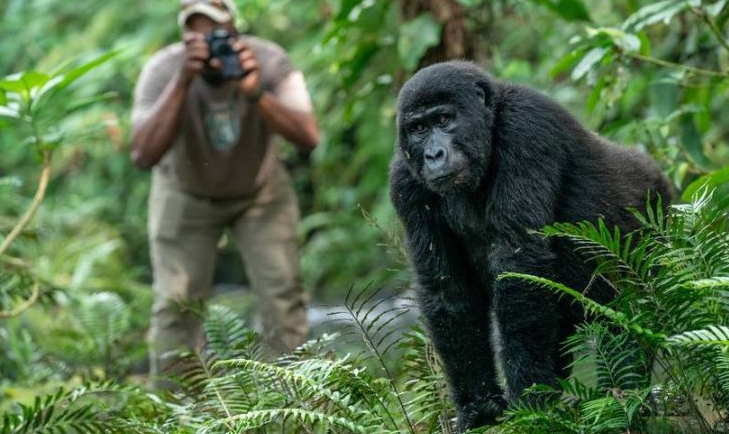
If your trek risks becoming a no gorilla sighting on trek, guides won’t give up easily. Rangers continue searching well beyond the average time. Groups often hike several extra hours before any decision is made. Meanwhile, trackers stay in radio contact, sharing updated location information. Your guide balances your safety and stamina against the chances of success. Eventually, if gorillas truly cannot be found, the group returns to headquarters.
Refund and Rebooking Policies
Thankfully, most authorities have policies for a no gorilla sighting on trek. Uganda Wildlife Authority typically offers a discounted permit for a return trek. Similarly, Rwanda Development Board provides rebooking options in genuine no-sighting cases. However, policies can change, so always confirm current terms before booking. We recommend checking directly with the Uganda Wildlife Authority or Rwanda Development Board for official guidance. Booking through a trusted operator also helps you navigate these situations smoothly.
How to Reduce Your Risk
While you can’t control gorilla movement, you can improve your odds. First, choose gorilla families known for staying closer to trailheads. Experienced tour operators often know which permits carry lower risk. Second, trek during dry season, since rain can complicate tracking. Third, build strong gorilla trekking fitness beforehand, since fatigue shortens your search window. For training guidance, read our article on gorilla trekking fitness and preparation. Fourth, work with operators experienced in permit allocation and gorilla family selection.
What You Can Do If It Happens to You
If you do experience a no gorilla sighting on trek, don’t panic. First, speak with park authorities about rebooking options immediately. Second, contact your tour operator, since many offer support with logistics and costs. Third, consider extending your trip by a day if your schedule allows. Many trekkers who initially missed a sighting successfully returned the next day. Ultimately, persistence often turns disappointment into an even more rewarding encounter.
Making the Most of a Difficult Trek
Even without gorillas, a difficult trek isn’t wasted entirely. You’ll still experience Africa’s stunning volcanic landscapes and rich birdlife. Many trekkers spot forest elephants, golden monkeys, or rare orchids along the way. Additionally, guides often share fascinating details about local ecology and conservation. So, while disappointing, a no gorilla sighting on trek still offers memorable moments. Framing the day this way helps trekkers stay positive throughout the experience.
Choosing an Operator That Minimizes This Risk
Working with an experienced operator significantly reduces your chances of disappointment. We carefully select permits based on recent gorilla family movement patterns. Additionally, our guides maintain close relationships with park trackers and rangers. This local knowledge often improves success rates well above average. Browse our full range of Uganda and Rwanda gorilla safaris to see how we plan every trek carefully. You can also review our gorilla trekking permits guide for pricing and booking details.
Final Thoughts on a No Gorilla Sighting on Trek
Ultimately, a no gorilla sighting on trek remains rare, but it can happen. Understanding the odds, policies, and your options removes unnecessary anxiety beforehand. Trust experienced guides, prepare physically, and remain flexible with your schedule. Most importantly, remember that gorilla trekking is inherently a wildlife encounter, not a guaranteed show. This unpredictability, in fact, is part of what makes the experience so genuine. Ready to plan a trek with the best possible odds? Contact our team today, and let us help you prepare for an unforgettable adventure.