Best Time to See Golden Monkeys in Volcanoes National Park
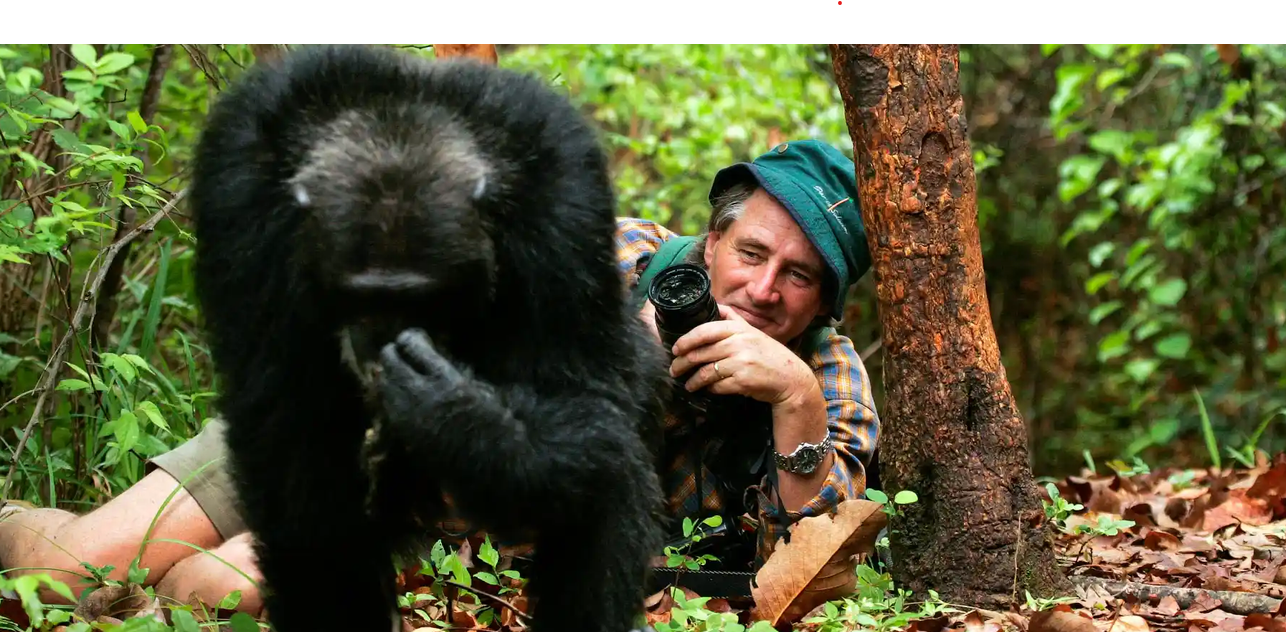
Planning a safari to Rwanda requires deliberate timing and preparation. Specifically, determining the best time to see golden monkeys in Volcanoes National Park ensures an unforgettable adventure.
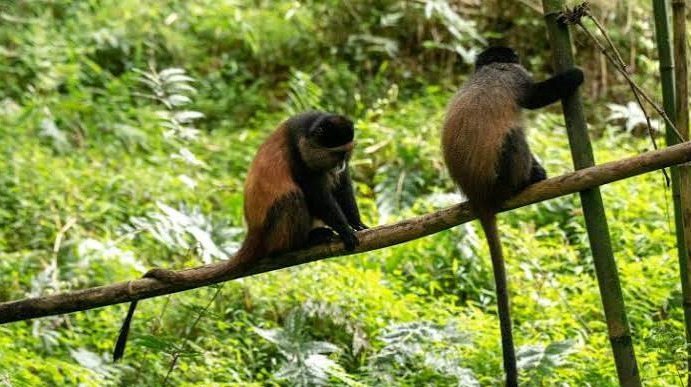
These rare, endangered primates inhabit the lush bamboo forests of the Virunga Massif. However, seasonal weather patterns drastically influence your overall hiking experience. Consequently, knowing when to visit helps you enjoy comfortable trails and clear photos.
In this comprehensive guide, we analyze seasonal conditions month by month. Furthermore, we provide essential packing tips and booking insights for your upcoming Rwanda Safari Tours.
Understanding Volcanoes National Park Climate
Volcanoes National Park lies in northwestern Rwanda near the town of Musanze. Because of high mountain elevations, the park enjoys cool tropical weather throughout the year.
Additionally, cloud cover and forest mist occur almost daily. However, the weather follows two distinct dry seasons and two wet seasons.
-
Long Dry Season: June to September
-
Short Dry Season: December to February
-
Long Rainy Season: March to May
-
Short Rainy Season: October to November
Understanding these rainfall patterns helps you identify the best time to see golden monkeys in Volcanoes National Park.
The Peak Dry Seasons: Best Time to See Golden Monkeys in Volcanoes National Park
Generally, the dry months offer the most comfortable hiking conditions for wildlife enthusiasts. Specifically, June through September and December through February remain the most popular months.
1. June to September (The Long Dry Season)
First, June to September brings minimal rainfall across the Virunga mountain range. Therefore, forest tracks remain firmer and much less slippery.
Moreover, golden monkeys actively feed in the bamboo canopy during these months. As a result, tracking them through dense bamboo thickets becomes noticeably easier.
-
Pros: Mud-free paths, low humidity, clear skies for wildlife photography.
-
Cons: Higher demand for luxury safari lodges and permits.
Consequently, travelers must reserve their trips early when visiting during peak months. You can explore our custom Rwanda Primate Safaris to reserve your permits well in advance.
2. December to February (The Short Dry Season)
Similarly, the short dry period delivers excellent safari conditions across Rwanda. Daytime temperatures remain mild, and occasional rain showers clear quickly.
Furthermore, tree foliage is slightly thinner than during heavy rainy periods. Thus, wildlife photographers enjoy clearer views of active golden monkey troops jumping between trees.
The Wet Seasons: Unique Advantages for Budget Travelers
Although rainfall increases significantly, wet seasons also offer clear advantages for primate tracking.
March to May and October to November
During the wet months, heavy rain showers occur almost daily across the park. Consequently, forest trails quickly turn muddy and challenging.
However, golden monkeys move down to lower mountain slopes to feast on fresh bamboo shoots. Therefore, your total trekking distance is often much shorter during rainy months.
-
Shorter Hikes: Monkeys forage very close to the park entrance boundary.
-
Lower Accommodation Rates: High-end safari lodges frequently offer discounted rates.
-
Fewer Tourist Crowds: You enjoy peaceful, intimate primate encounters in the forest.
Learn more about wildlife conservation policies through the official Rwanda Development Board.
Comprehensive Monthly Breakdown
To help you plan, here is a detailed overview of conditions throughout the year.
| Months | Season Type | Trail Conditions | Golden Monkey Visibility |
| January – February | Short Dry | Firm & Easy | Excellent |
| March – May | Long Wet | Muddy & Slippery | High (Lower Slopes) |
| June – September | Long Dry | Dry & Excellent | Excellent |
| October – November | Short Wet | Moderately Muddy | High (Lower Slopes) |
| December | Short Dry | Firm & Clear | Excellent |
Evidently, golden monkeys are visible every single month of the year. However, trail comfort and physical effort vary based on your selected month.
What to Expect During Golden Monkey Trekking
Golden monkey tracking begins early in the morning at the Kinigi Park Headquarters. First, expert rangers conduct a brief safety orientation at 7:00 AM.
Afterward, you drive with your guide to the specific trailhead near the volcanoes. The trek usually takes between 30 minutes and two hours, depending on monkey movements.
Once you locate the troop, you get one full hour to observe their behavior. Fortunately, these golden monkeys are habituated to human presence. As a result, they play, leap, and groom right in front of you.
For more helpful regional safari insights, check out our guide on Volcanoes National Park Travel Tips.
Essential Packing List for Golden Monkey Trekking
Regardless of when you visit, proper safari gear ensures a safe and comfortable hike.
-
Sturdy, waterproof hiking boots with good ankle support
-
Long-sleeved shirt and lightweight trousers to protect against stinging nettles
-
Breathable waterproof rain jacket or poncho
-
Durable gardening gloves for gripping muddy branches
-
High-speed camera with a fast shutter lens for moving primates
Combining Primate Adventures in Rwanda
While golden monkeys are fascinating, Rwanda offers much more for nature lovers. For instance, many travelers combine golden monkey treks with gorilla trekking in the same park.
Additionally, you can visit Nyungwe National Park for chimpanzee tracking adventures. Alternatively, explore Akagera National Park for classical Big Five game drives. Combining destinations maximizes your travel experience across Rwanda.
Frequently Asked Questions
1. How much does a golden monkey permit cost in Rwanda?
Currently, a golden monkey permit costs $100 per person per trek. This fee includes ranger guides and park entry fees.
2. Is golden monkey trekking difficult?
Generally, golden monkey trekking is easier than mountain gorilla trekking. The monkeys usually stay on lower mountain slopes, reducing steep climbing.
3. What is the age limit for golden monkey tracking?
The minimum age requirement for tracking golden monkeys in Volcanoes National Park is 12 years.
Book Your Golden Monkey Safari Today
In conclusion, the best time to see golden monkeys in Volcanoes National Park is during the dry months from June to September and December to February. Nevertheless, rainy months offer shorter hikes and cheaper lodge options.
Are you ready to see these bright, agile primates in their natural habitat? Contact our expert travel planners at Africa Safari Tours to start crafting your dream itinerary today!