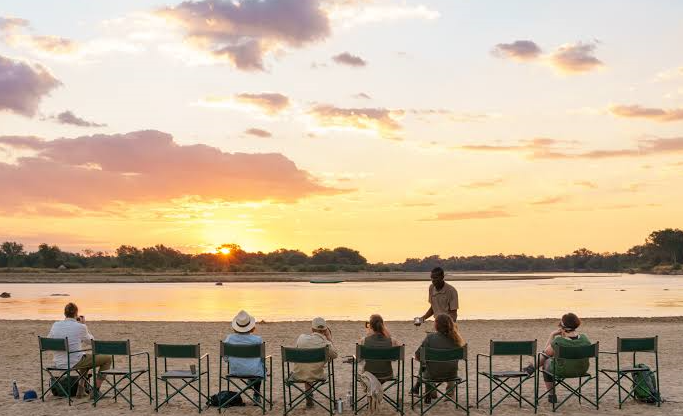
A Kruger National Park Safari is one of the best ways to experience Africa’s incredible wildlife, landscapes, and natural beauty. Located in northeastern South Africa, Kruger National Park is one of Africa’s most famous safari destinations. The park is home to the Big Five, hundreds of bird species, diverse landscapes, and a remarkable variety of wildlife.
Why Choose a Kruger National Park Safari?
Kruger National Park is an excellent safari destination because it offers a combination of abundant wildlife, accessible roads, diverse accommodation, and flexible safari experiences.
Unlike some safari destinations that require expensive private flights, Kruger can be reached by road or domestic flight. Visitors can choose from self-drive safaris, guided game drives, private reserves, luxury lodges, and budget-friendly camps.
Best Time for a Kruger National Park Safari
The best time for a Kruger National Park Safari depends on your priorities. Wildlife viewing is possible throughout the year, but different seasons provide different experiences.
Dry Season: May to September
The dry season is generally considered one of the best periods for wildlife viewing.
During these months, vegetation becomes thinner and animals gather around rivers, dams, and waterholes. The cooler weather also makes long game drives more comfortable.
September can be particularly rewarding because temperatures begin to rise while vegetation remains relatively sparse.
Wet Season: October to April
The wet season brings green landscapes, warmer temperatures, and dramatic thunderstorms.
This period is excellent for birdwatching because many migratory birds arrive in the park. The rainy season also coincides with the birth period for many animals.
Photographers often enjoy this season because the landscapes become lush and colorful.
Wildlife You Can See in Kruger National Park
One of the biggest attractions of a Kruger National Park Safari is the variety of wildlife.
The Big Five
Kruger is famous for the African Big Five African elephant, Lion, Leopard, Rhinoceros, African buffalo
Seeing all five during one safari is possible, although it requires patience and some luck.
Elephants
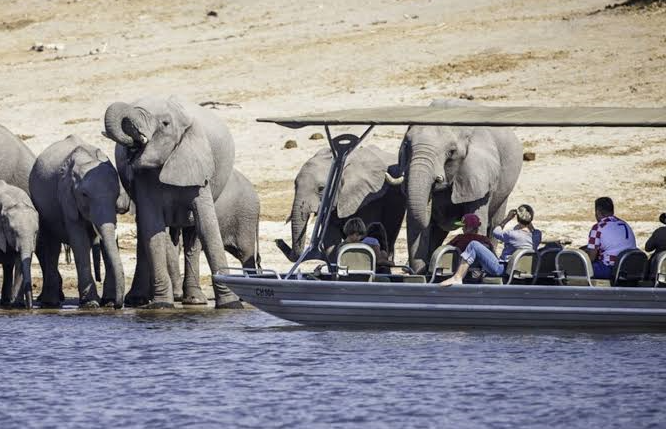
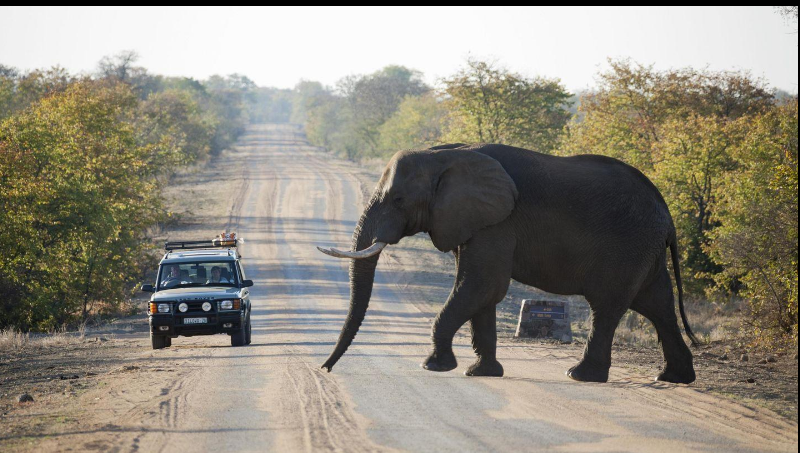
Elephants are among the most commonly encountered large mammals in Kruger. Large herds can often be seen near water sources and woodland areas.
Watching elephants interact with their young is one of the memorable experiences of a Kruger National Park Safari.
Lions
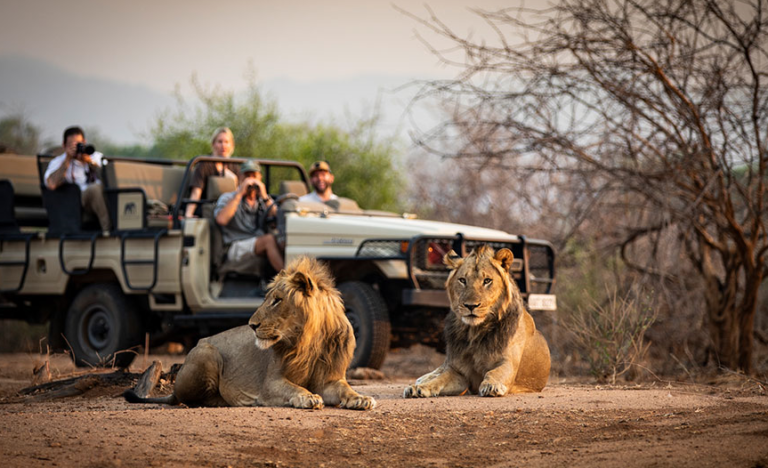
Kruger has a significant lion population. Lions are often spotted resting during the hottest part of the day or becoming active around sunrise and sunset.
Early morning and late afternoon game drives can provide excellent opportunities to observe their behavior.
Leopards
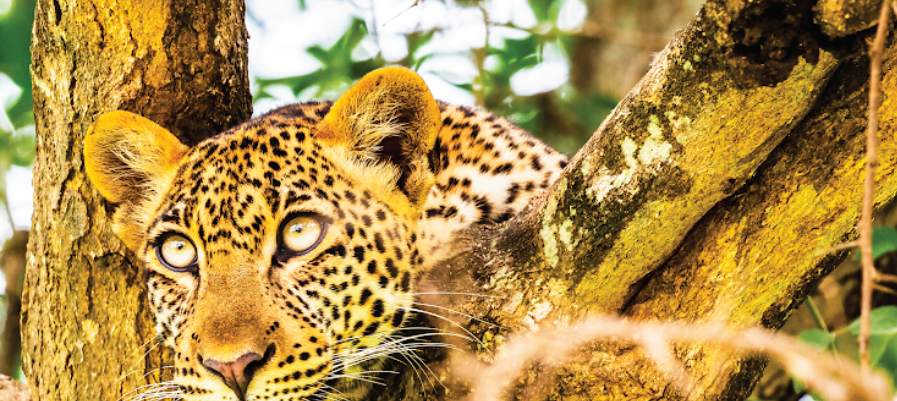
Leopards are among the most exciting animals to find because they are elusive and well camouflaged.
They are frequently associated with riverine vegetation and areas containing large trees. A skilled guide can greatly improve your chances of finding these secretive cats.
Rhinos
Both black and white rhinos occur in Kruger National Park.
Because rhinos face serious conservation threats, sightings should be enjoyed responsibly. Visitors should maintain a safe distance and follow park regulations.
African Wild Dogs
African wild dogs are among the rarer predators in the park. Their highly social behavior and distinctive markings make them fascinating safari sightings.
If you encounter a pack, watching them communicate and cooperate can be an unforgettable part of your safari.
Best Safari Activities in Kruger National Park
There are several ways to experience the park.
Guided Game Drives
Guided game drives are ideal for first-time visitors.
Experienced guides understand animal behavior and know where wildlife is commonly found. They can also explain the park’s ecosystems, conservation programs, and history.
Self Drive Safari
Kruger is one of the African safari destinations where visitors can enjoy self-drive experiences.
Self-driving gives you flexibility over your route and schedule. However, you must follow speed limits, remain inside your vehicle in designated areas, and respect wildlife.
Walking Safaris
Walking safaris provide a completely different perspective.
Instead of focusing only on large animals, walking excursions allow visitors to learn about plants, insects, tracks, birds, and smaller wildlife.
Walking should always be conducted with qualified guides and according to park regulations.
Photography Safaris
Kruger is an excellent destination for wildlife photography.
Early morning light, dramatic sunsets, large mammals, and diverse birdlife provide numerous photographic opportunities.
A telephoto lens, spare batteries, extra memory cards, and a camera beanbag can be useful during game drives.
Accommodation in Kruger National Park
Kruger offers accommodation for different budgets and travel styles.
Visitors can stay in public rest camps, private safari lodges, luxury properties, or private reserves bordering the national park.
Budget Accommodation
Public camps provide relatively affordable options. They can include campsites, cottages, bungalows, and self-catering accommodation.
These are suitable for travelers who want to spend more of their budget on safari activities.
Mid Range Lodges
Mid-range lodges offer additional comfort while maintaining a strong connection with the surrounding wilderness.
Many provide meals, guided game drives, swimming pools, and comfortable rooms.
Luxury Safari Lodges
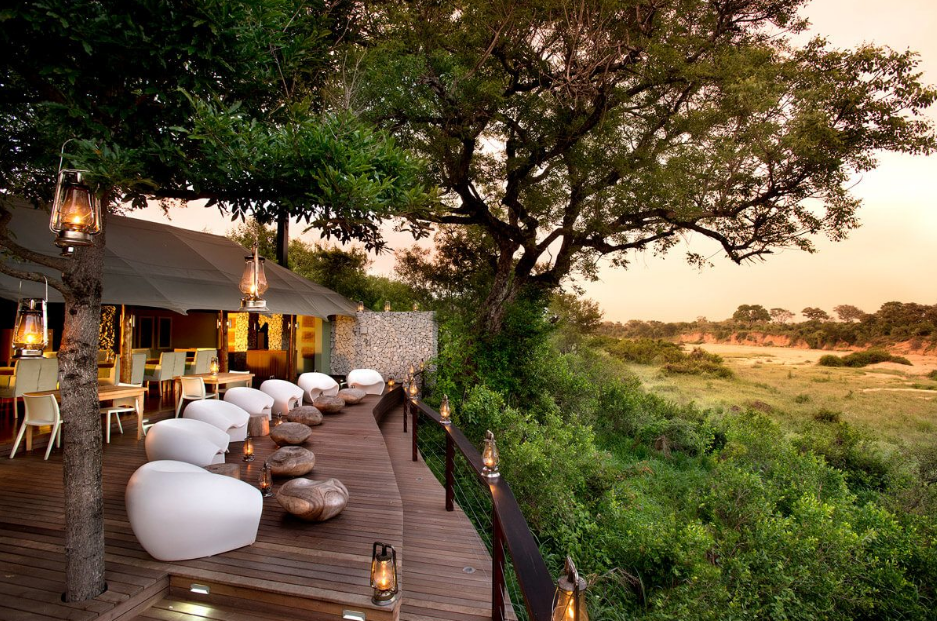
Luxury lodges provide premium accommodation, personalized service, fine dining, and professionally guided game drives.
Private reserves near Kruger can provide exclusive safari experiences with fewer vehicles around wildlife sightings.
How Many Days Do You Need in Kruger National Park?
A Kruger National Park Safari can be enjoyed in a few days, but staying longer gives you more opportunities to explore different areas.
2 to 3 Days
A short safari is suitable for travelers combining Kruger with Cape Town, Johannesburg, or another South African destination.
4 to 5 Days
Four or five days provide enough time for several game drives and exploration of different areas.
6 to 7 Days
A week allows a more relaxed experience and increases the chances of seeing a wide range of wildlife.
Longer stays are particularly useful for photographers, birdwatchers, and travelers who want a slower safari experience.
How to Get to Kruger National Park
Kruger National Park has several access points.
Travelers can reach the park by road from Johannesburg, Pretoria, or nearby cities. Domestic flights can also connect travelers to airports such as Kruger Mpumalanga International Airport and other regional airports serving the park.
The best route depends on which part of Kruger you plan to visit.
For travelers using a private transfer, it is important to choose the entrance closest to your accommodation.
What to Pack for a Kruger Safari
Packing the right items can make your safari more comfortable.
Essential items include Lightweight clothing, comfortable walking shoes, light jacket, personal toiletries, small day bag
Neutral-colored clothing is often recommended for safari activities because it blends naturally with the environment.
are more active during cooler hours.
Best Areas to Explore in Kruger National Park
Kruger covers a huge area with different habitats and wildlife concentrations.
Southern Kruger
The southern region is popular with first-time visitors because it offers good infrastructure and frequent wildlife sightings.
It is particularly known for opportunities to see elephants, lions, rhinos, buffaloes, and leopards.
Central Kruger
Central Kruger contains open grasslands and woodland habitats.
The area can provide excellent opportunities for spotting lions and other large mammals.
Northern Kruger
Northern Kruger is quieter and less developed in many areas.
It offers beautiful landscapes and excellent birdwatching opportunities for travelers seeking a more peaceful experience.
Family Kruger National Park Safari
Kruger can be an excellent destination for families.
Families should select accommodation and activities that are appropriate for children’s ages. Some lodges offer family rooms, child-friendly programs, and private safari vehicles.
Parents should also explain wildlife safety rules to children before entering the park.
A family safari can provide children with an opportunity to learn about conservation, ecosystems, geography, and African wildlife.
Romantic Safari Experience
Couples can combine a Kruger National Park Safari with romantic accommodation and private experiences.
Depending on the lodge, couples may enjoy private dinners, sunset drives, spa treatments, bush breakfasts, and secluded accommodation.
Kruger’s dramatic sunsets and peaceful wilderness make it a memorable destination for honeymoons and anniversaries.
Birdwatching in Kruger National Park
Kruger is also a fantastic birdwatching destination.
The park contains hundreds of bird species, including eagles, vultures, hornbills, kingfishers, storks, rollers, and many seasonal migrants.
Birdwatching is especially rewarding during the wetter months when migratory species are present and vegetation is flourishing.
Responsible Tourism in Kruger National Park
Responsible tourism is essential for protecting Kruger’s wildlife and natural habitats.
Visitors should follow park regulations, avoid disturbing animals, minimize waste, and support conservation-focused tourism businesses.
Choosing responsible accommodation and experienced local guides can also contribute to the communities and conservation initiatives connected to the tourism industry.
Visit Kruger National Park
A Kruger National Park Safari is an unforgettable way to experience South Africa’s wildlife and wilderness. From the famous Big Five to colorful birds, Kruger offers something for almost every type of traveler.
Whether you choose a budget self drive adventure, a family safari, a photography trip, or a luxury lodge experience, careful planning will help you make the most of your visit.
Choose Rosamy Africa Safaris Tours and Travel ltd with proffesional guides to guide you travel the adventure in south africa, and prepare for an extraordinary African adventure in one of the continent’s most celebrated wildlife destinations.