Complete Travel Guide
Planning a visit to one of the Democratic Republic of Congo’s most remote protected areas? Knowing how to reach Lomami National Park is essential before starting your journey.
Located in the heart of the Democratic Republic of Congo, Lomami National Park is a vast wilderness famous for its remarkable biodiversity, rare wildlife, tropical forests, and exceptional opportunities for adventurous travelers.
However, reaching this remote destination requires careful planning because the park has limited tourism infrastructure and is not as easily accessible as many of Africa’s better known national parks.
Lomami National Park offers a unique experience for travelers who want to explore an untouched African wilderness. The park is home to species such as the bonobo, the Congo peafowl, the okapi, forest elephants, and several species of monkeys and other wildlife.
Its remote location is part of its appeal, but it also means that visitors must arrange transportation, local guides, accommodation, permits, and security considerations well in advance.
This guide explains how to reach Lomami National Park, the main travel routes, transport options, nearby towns, what to expect on the journey, and important tips for planning a successful adventure.
Where Is Lomami National Park Located?
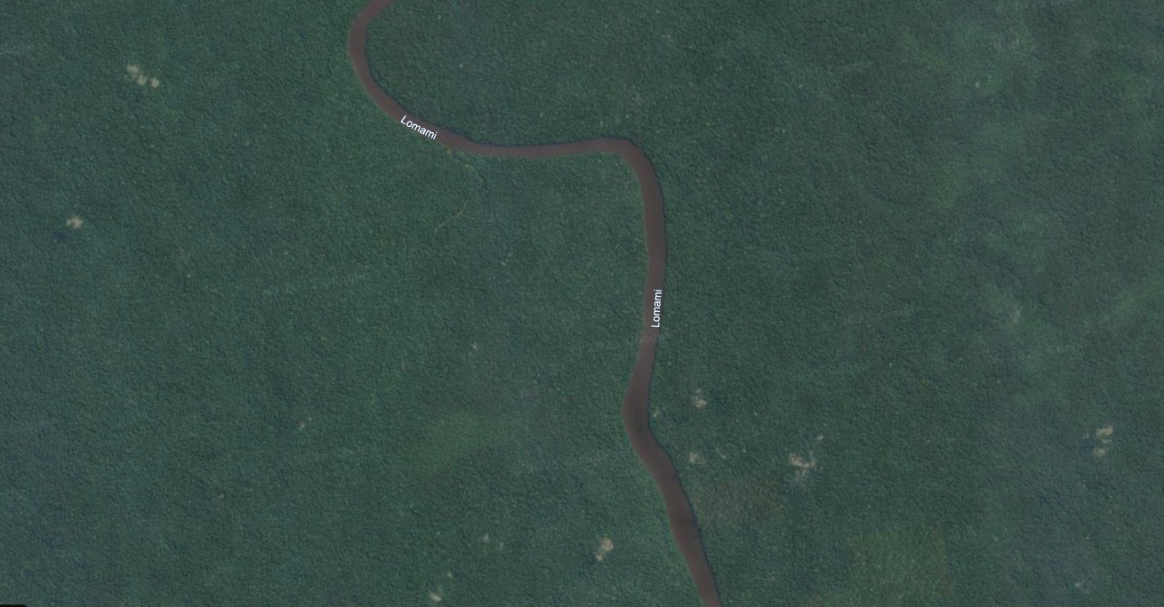
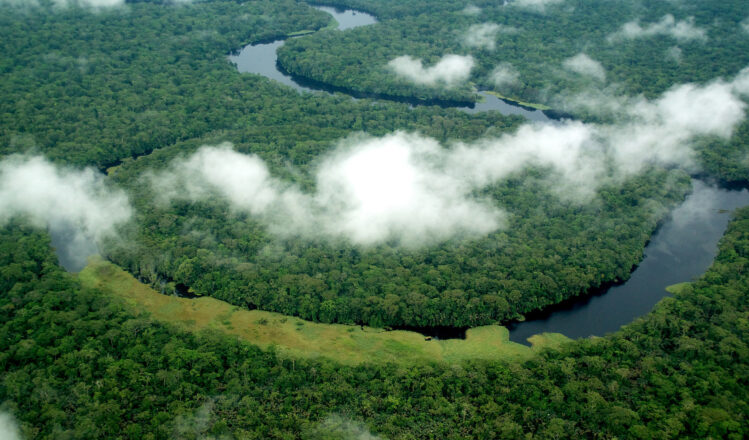
Lomami National Park is located in the central part of the Democratic Republic of Congo. The park stretches across parts of Maniema and Tshopo provinces and protects a huge area of tropical rainforest and wilderness.
The park is named after the Lomami River, which flows through the region and plays an important role in the area’s landscape and wildlife habitats.
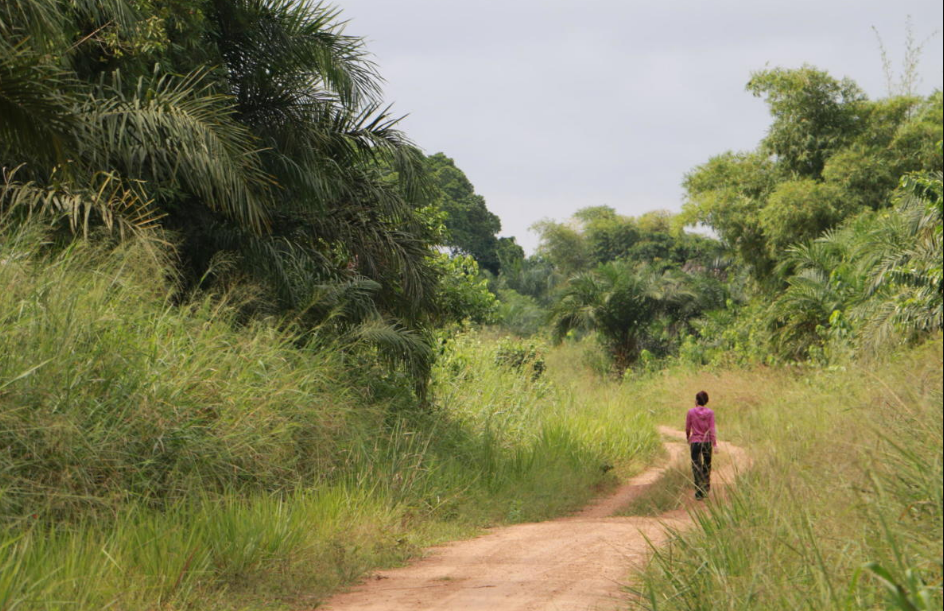
The forest is characterized by dense vegetation, rivers, streams, wetlands, and remote communities.
Because of its location in central DRC, how to reach Lomami National Park is not as straightforward as traveling to destinations with established tourist airports and major road networks.
Most journeys involve a combination of international flights, domestic transportation, road travel, river transport, and sometimes light aircraft or chartered flights.
Visitors should therefore consider the journey itself as part of the adventure.
The Main Starting Points for Lomami National Park
Travelers visiting Lomami National Park usually begin their journey from one of the major cities in the Democratic Republic of Congo. The exact starting point depends on which section of the park they plan to visit and the activities they want to undertake.
Important starting points may include Kinshasa, Kisangani, and other regional towns that provide access to different parts of the park.
Starting From Kinshasa
Kinshasa is the capital of the Democratic Republic of Congo and the country’s main international gateway. Travelers arriving from Europe, Africa, or other international destinations will often enter the country through N’djili International Airport.
From Kinshasa, visitors may need to take a domestic flight toward eastern or central parts of the country before continuing their journey by road or river.
Kinshasa is useful as a starting point because it offers better access to international flights, hotels, banks, communication services, and travel agencies.
However, it is located far from Lomami National Park, meaning that the journey from the capital can be long and complicated.
Travelers planning to start from Kinshasa should allow extra time for domestic connections and possible changes in transportation schedules.
Starting From Kisangani
Kisangani is one of the most important cities for travelers exploring the northeastern and central parts of the Democratic Republic of Congo. Its location makes it a potentially useful gateway for reaching areas around Lomami National Park.
Travelers may fly to Kisangani and then continue by road, river, or a combination of transport methods depending on their final destination.
Kisangani also provides access to the Congo River and surrounding waterways, which can be important for travel in a region where roads are limited.
For many adventurous visitors, Kisangani may be a more practical starting point than Kinshasa, particularly when visiting the northern or northeastern sections of the park.
How to Reach Lomami National Park by Air
Flying is often the most practical way to cover the long distances involved in traveling to the Lomami region.
International visitors usually fly into the Democratic Republic of Congo through Kinshasa or another major international gateway. From there, travelers may need to connect to domestic flights serving regional cities.
Depending on the itinerary, a traveler may use scheduled domestic flights where available or arrange a private charter for remote areas.
International Flights
The first step in reaching Lomami National Park is usually flying into the Democratic Republic of Congo.
International flight connections may be available from major African and international cities. Depending on the airline and route, travelers may connect through cities such as Addis Ababa, Nairobi, Johannesburg, Brussels, or other regional hubs.
Because flight schedules can change, travelers should confirm all connections before booking their safari.
Domestic Flights
After arriving in the DRC, travelers may take a domestic flight to a regional city closer to the park.
Kisangani can be an important regional gateway for journeys toward areas around Lomami National Park. However, travelers should not assume that flights operate daily or that connections are always reliable.
Domestic aviation in the DRC can be affected by weather, aircraft availability, operational changes, and other factors.
For this reason, it is wise to build flexibility into your itinerary.
Charter Flights
For travelers with a larger budget or those visiting particularly remote areas, charter flights may provide a more convenient option.
A charter aircraft can reduce the amount of time spent traveling over difficult roads and may provide access to remote airstrips closer to the planned safari area.
However, charter flights require advance arrangements and should be organized through a reputable tour operator or experienced local travel company.
How to Reach Lomami National Park by Road
Road travel is an important part of many journeys to Lomami National Park. However, visitors should be prepared for challenging conditions.
Road infrastructure in central and eastern DRC is limited in many areas. Some routes may consist of unpaved tracks that become difficult to use during the rainy season.
Travel times can therefore vary significantly.
A journey that appears relatively short on a map may take many hours or even several days because of poor road conditions, river crossings, mechanical problems, or delays.
For this reason, traveling with an experienced local driver and a suitable four-wheel-drive vehicle is strongly recommended.
4×4 Vehicles
A strong 4×4 vehicle is generally the preferred choice for overland travel in remote areas around Lomami National Park.
Four-wheel-drive vehicles are better suited to muddy roads, rough tracks, uneven terrain, and river crossings.
Travelers should avoid attempting remote journeys with ordinary rental cars unless the route and road conditions have been confirmed by local experts.
A safari vehicle should also carry essential supplies, including drinking water, food, fuel, spare tires, recovery equipment, and basic emergency supplies.
Road Conditions
Road conditions can change quickly depending on weather.
During the rainy season, heavy rainfall can make roads muddy and difficult to navigate. Bridges may also be damaged or become impassable.
During the dry season, some roads may be easier to use, although dust and rough surfaces can still make travel challenging.
Before starting an overland journey, ask your tour operator or local guide about current road conditions.
How to Reach Lomami National Park by River
Rivers are extremely important for transportation in the Democratic Republic of Congo.
The region surrounding Lomami National Park contains numerous rivers and waterways, and some remote areas are more accessible by boat than by road.
Depending on the planned route, travelers may use motorized boats or local canoes to reach communities and forest areas.
River journeys can be an exciting part of a Lomami adventure. They provide an opportunity to experience the landscape from a different perspective and observe riverside forests and local communities.
However, river travel requires careful planning.
Water levels can change according to the season, and journeys may take longer than expected. Travelers should always use experienced boat operators and follow local safety instructions.
If your itinerary involves river transportation, confirm the boat type, safety equipment, journey duration, and departure arrangements before beginning the trip.
How to Reach Lomami National Park From Kisangani
For many travelers, Kisangani may serve as an important gateway to the Lomami region.
The journey from Kisangani toward the park may involve a combination of road and river transportation, depending on the specific area being visited.
A typical journey could involve:
- Flying into Kisangani.
- Meeting your local guide or safari team.
- Traveling by 4×4 vehicle toward a designated access point.
- Continuing by boat where roads are unavailable.
- Reaching a remote community or forest camp.
- Beginning guided activities inside or near the park.
The exact route depends on the location of the safari camp, wildlife activity, research area, and current accessibility.
Because of this, travelers should work with an experienced tour operator that understands local conditions.
How Long Does It Take to Reach Lomami National Park?
There is no single travel time for reaching Lomami National Park.
The duration depends on:
- Your international arrival point.
- Your domestic flight connections.
- Your chosen gateway city.
- The specific section of the park you are visiting.
- Road conditions.
- River conditions.
- Weather.
- Transportation availability.
- Security requirements.
- The type of safari you have booked.
Travelers should generally plan for a longer journey than they would for a more developed safari destination.
Instead of planning a tightly scheduled itinerary, allow extra days for transportation and unexpected delays.
This is particularly important when connecting domestic flights with road or river journeys.
A flexible schedule will make your trip less stressful and give you time to enjoy the journey.
Best Time to Travel to Lomami National Park
The best time to travel depends on your interests and the exact area you intend to visit.
In general, the drier periods may make road transportation easier. However, Lomami National Park is a rainforest environment, so rainfall can occur throughout the year.
During wetter months, roads may become muddy, rivers may rise, and some routes can become more difficult.
On the other hand, the rainy season can create beautiful green landscapes and provide excellent conditions for experiencing the rainforest.
Travelers interested in wildlife should discuss their preferred travel dates with a local tour operator. Local knowledge can help determine the best time based on wildlife sightings, road accessibility, and weather conditions.
What to Pack for a Journey to Lomami National Park
Knowing how to reach Lomami National Park is only one part of planning your adventure. You should also prepare carefully for the conditions you may encounter.
Essential Clothing
Pack lightweight, breathable clothing suitable for tropical conditions.
Long-sleeved shirts and long trousers are recommended because they provide protection from insects, vegetation, and the sun.
Quick-drying clothing is especially useful in a humid rainforest environment.
Waterproof Gear
Rain is possible even during periods that are considered relatively dry.
Bring a waterproof jacket, dry bags, and waterproof covers for cameras and electronic equipment.
A small waterproof backpack can also be useful during forest walks.
Sturdy Footwear
Good hiking boots are essential for forest activities.
Choose footwear that provides good grip and remains comfortable during long walks.
If you are traveling during a wet period, waterproof boots can be particularly useful.
Insect Protection
Tropical forests contain many insects, so insect repellent is an important part of your packing list.
Travelers should also seek professional medical advice about recommended vaccinations and malaria prevention before visiting the DRC.
Camera and Binoculars
Lomami National Park is a fantastic destination for wildlife and nature enthusiasts.
Bring binoculars for birdwatching and wildlife observation.
A camera with extra batteries and memory cards is also recommended because charging facilities may be limited in remote areas.
Safety Considerations When Visiting Lomami National Park
Safety is an important consideration when planning travel to the Democratic Republic of Congo.
The security situation can vary significantly between regions. Travelers should obtain current travel advice before departure and follow the guidance of local authorities and reputable tour operators.
It is important to understand that access to some areas may be restricted or change at short notice.
Always travel with experienced local guides who understand the region.
Avoid traveling independently through remote areas without proper local support.
Your tour operator should also assess current conditions before confirming your route.
Travelers should keep copies of important documents, including passports, visas, travel insurance, and emergency contacts.
Because mobile phone coverage can be limited in remote areas, travelers should also have a communication plan.
Why You Should Use a Local Tour Operator
Traveling to Lomami National Park is not like visiting a highly developed safari destination with established tourist infrastructure.
A local or specialized tour operator can help arrange:
- Domestic flights.
- Ground transportation.
- 4×4 vehicles.
- Boat transportation.
- Local guides.
- Park access arrangements.
- Accommodation.
- Permits and permissions.
- Security planning.
- Emergency support.
- Flexible travel arrangements.
Experienced operators also understand seasonal road conditions and local transportation challenges.
This can make your journey considerably easier and safer.
For travelers coming from outside the DRC, professional support is particularly valuable because navigating remote areas independently can be difficult.
Responsible Tourism in Lomami National Park
Lomami National Park is one of the most important wilderness areas in the Democratic Republic of Congo.
Visitors have a responsibility to help protect its forests, wildlife, and local communities.
Responsible travelers should avoid littering, respect wildlife, follow guide instructions, and avoid disturbing animals.
Visitors should also respect local cultures and communities.
Do not photograph people without permission, and support locally owned services whenever possible.
Responsible tourism can contribute to conservation while providing economic opportunities for communities living near protected areas.
Wildlife You May Encounter in Lomami National Park
One of the main reasons travelers want to know how to reach Lomami National Park is the opportunity to explore its extraordinary biodiversity.
The park is recognized for its important populations of forest wildlife.
Depending on the area visited and the season, travelers may encounter:
- Bonobos.
- Okapis.
- Congo peafowl.
- Forest elephants.
- Red-tailed monkeys.
- Mangabeys.
- Colobus monkeys.
- Other primates.
- Forest antelopes.
- Numerous bird species.
Wildlife sightings are never guaranteed. However, the park’s remote and relatively undisturbed forests make it a fascinating destination for wildlife enthusiasts and researchers.
For visitors interested in primates, the park’s biodiversity is particularly appealing.
The opportunity to explore a vast tropical ecosystem away from mass tourism is one of Lomami’s greatest attractions.
Is Lomami National Park Suitable for First Time African Travelers?
Lomami National Park can be visited by first-time African travelers, but it is better suited to adventurous visitors who understand that the experience may involve challenging logistics.
If you are looking for a traditional safari with luxury lodges, well-maintained roads, and easy access, other destinations may be more suitable.
However, if you want to explore a remote rainforest and experience a less-visited part of Africa, Lomami can offer an extraordinary adventure.
First-time visitors should strongly consider booking a professionally organized trip.
A knowledgeable operator can handle transportation, accommodation, guides, permits, and logistical challenges.
Practical Tips for Reaching Lomami National Park
Here are some important tips to remember when planning your journey:
Book Early
Remote travel requires more planning than conventional tourism.
Arrange flights, transportation, accommodation, guides, and permits as early as possible.
Allow Extra Time
Do not create an itinerary with tight connections.
Road and river journeys can take longer than expected.
Confirm Conditions Before Travel
Check the latest information about security, road accessibility, weather, and transportation before departure.
Carry Essential Supplies
Remote areas may have limited access to shops and services.
Carry enough personal essentials for the duration of your journey.
Travel With Experienced Guides
Local knowledge is extremely valuable when exploring remote areas.
Experienced guides understand the landscape and can help travelers navigate difficult conditions.
Keep Your Plans Flexible
Be prepared for changes.
Weather, road conditions, river levels, and transportation schedules can affect your journey.
Flexibility is one of the most important qualities for a successful Lomami adventure.
Frequently Asked Questions About How to Reach Lomami National Park
Can I drive directly to Lomami National Park?
In some areas, road access is possible, but there is no single direct road that provides easy access to the entire park. Travel may require a combination of 4×4 vehicles and boats.
What is the nearest major city to Lomami National Park?
Kisangani is one of the important regional gateways for accessing parts of the Lomami region. However, the most suitable gateway depends on which part of the park you plan to visit.
Can I fly directly into Lomami National Park?
Direct access by scheduled commercial flights is generally limited. Depending on your itinerary, charter flights or smaller aircraft may be possible, but arrangements should be made in advance.
Is Lomami National Park easy to access?
No. Lomami is considered a remote destination. Reaching the park requires careful logistical planning and may involve air, road, and river transportation.
Do I need a guide to visit Lomami National Park?
A professional local guide is strongly recommended. The park is remote, and experienced guides provide valuable assistance with navigation, wildlife activities, logistics, and safety.
How many days should I spend visiting Lomami National Park?
The ideal duration depends on your interests and itinerary. Because reaching the park can take considerable time, travelers should plan enough days to account for transportation and allow meaningful time for exploration.
Final Thoughts on How to Reach Lomami National Park
Understanding how to reach Lomami National Park is the first step toward planning an unforgettable adventure in one of the Democratic Republic of Congo’s most remote wilderness areas.
Although reaching the park can be challenging, the journey is part of what makes the destination special. Travelers may combine international and domestic flights with 4×4 road journeys and river transportation to reach remote forest areas.
The key to a successful trip is preparation. Arrange transportation in advance, allow plenty of time for unexpected delays, monitor security and weather conditions, and work with an experienced tour operator.
For adventurous travelers seeking untouched rainforest, remarkable biodiversity, rare wildlife, and an authentic wilderness experience, Lomami National Park offers an opportunity to discover a remarkable part of the Congo Basin.
With careful planning and responsible travel, your journey to Lomami National Park can become one of the most memorable wildlife adventures in Central Africa.