Samburu National Reserve
Samburu National Reserve is a wildlife haven located in northern Kenya, on the banks of the Ewaso Ng’iro River. Unlike the lush, green landscapes of southern Kenya, Samburu is a semi-arid, rugged region characterized by acacia scrub, riverine forests, and volcanic mountains. This unique environment makes it a great safari destination, especially for those seeking an “off the beaten track” experience. The reserve is also famous for its unique wildlife species, often referred to as the “Samburu Special Five.
Where Is It Located
Samburu National Reserve is located in Africa in the northern part of Kenya, on the banks of the Ewaso Ng’iro River. More specifically, it is situated in Samburu County. It is approximately 350 kilometers (220 miles) north of Nairobi, the capital of Kenya.
The reserve is bordered by the Ewaso Ng’iro River to the south, which separates it from the Buffalo Springs National Reserve. The area is a semi-arid, rugged landscape, distinct from the more famous, lush parks in southern Kenya.
Best Time To Visit
Generally, the best time to visit Samburu National Reserve in Kenya for wildlife viewing is during the dry seasons. Here’s a breakdown;
June to October: This is considered the long dry season and is widely regarded as the best time to visit. With limited water sources, animals tend to congregate along the Ewaso Ng’iro River, making them easier to spot. The vegetation is also less dense, which improves visibility. The weather is generally sunny and dry, though it can be quite hot during the day.
April-May and November: This being a wet season, animal spotting can be more challenging due to lush vegetation and animals being more dispersed, but the wet seasons also have advantages of their own. For example; This is the best time for bird watching and for bird enthusiasts considering many migratory birds arrive, the landscape is lush and green offering beautiful photographic opportunities and lastly you will experience fewer tourists and lower accommodation rates.
How To Get To Samburu National Reserve Park
In conclusion, the two main ways to get to Samburu from Nairobi are either by air or by road. The drive from Nairobi to Samburu Game Reserve takes approximately 5 to 6 hours, using the Thika Superhighway Road. Flying to Samburu is a more convenient option, being only about a 1.5 hours flight from Wilson Airport in Nairobi to a variety of different airstrips in Samburu.
Best Things To Do In Samburu National Reserve Park
Samburu National Reserve offers a unique and authentic safari experience that goes beyond the typical game drive. The rugged, semi-arid landscape and distinct culture of the local Samburu people provide a different kind of adventure.
Here are the best things for tourists to do in Samburu National Reserve:
- Game Drives
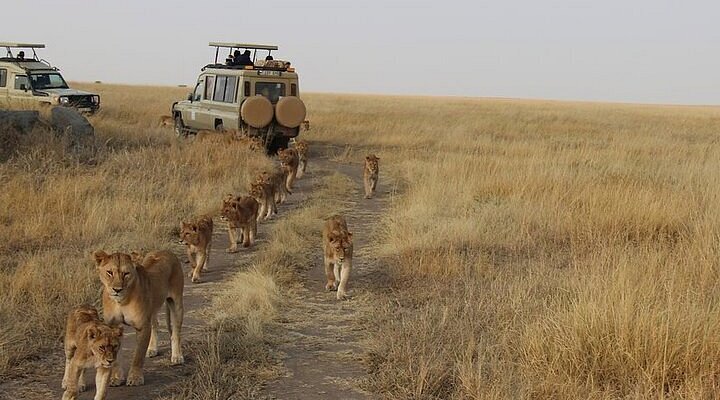
This is the core activity of any safari. Samburu is famous for its “Special Five,” a group of species uniquely adapted to the dry, northern Kenya environment. A game drive is the best way to spot these animals: Reticulated Giraffe, Grevy’s Zebra, Gerenuk, Beisa Oryx, Somali Ostrich.
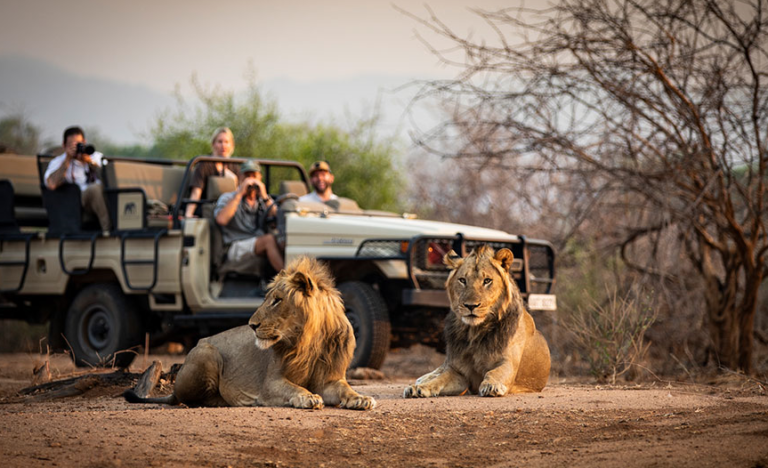
You can also see other iconic African wildlife, including lions, leopards, cheetahs, and a large population of elephants. The Ewaso Ng’iro River is a key feature, as animals congregate along its banks, especially in the dry season, making for excellent viewing opportunities. You can opt for morning, afternoon, or even night game drives to spot nocturnal animals.
2. Cultural Visits
A trip to Samburu is not complete without an immersion into the vibrant culture of the Samburu people, a semi-nomadic pastoralist community closely related to the Maasai. Many lodges and tour operators organize visits to local villages where you can:
- Learn about their traditions, customs, and daily life.
- Witness traditional dances and songs.
- See their distinctive dress and intricate beadwork.
- Interact directly with the community.
3. Camel Safaris
For a truly authentic and unique safari experience, consider a camel safari. This is a traditional way of exploring the wilderness and allows you to reach areas that vehicles cannot. It offers a quiet, close-to-nature perspective and the chance to spot animals and birds from a different vantage point.
4. Bird Watching
With over 450 bird species recorded, Samburu is a paradise for bird enthusiasts. The diverse habitats, from the acacia scrubland to the riverine forest along the Ewaso Ng’iro, attract a wide variety of birds, including the vulturine guineafowl, Somali bee-eater, and the secretary bird.
5. Reteti Elephant Sanctuary
Located in the neighbouring Namunyak Wildlife Conservancy, the Reteti Elephant Sanctuary is a community-run conservation project that rescues and rehabilitates orphaned and abandoned elephant calves. A visit here provides a heart-warming and educational experience, allowing you to learn about their conservation efforts and see the young elephants up close.
6. Bush Meals and Sundowners
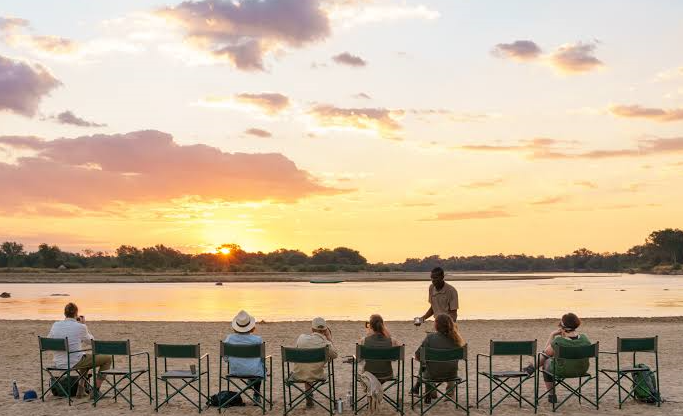
Many safari camps and lodges offer “bush meals” (breakfast, lunch, or dinner) and “sundowners” (cocktails at sunset) in a scenic location within the reserve. These are memorable experiences that allow you to enjoy a meal or a drink while surrounded by the sights and sounds of the African wilderness.
7. Nature Walks
While not always available within the main reserve, guided nature walks are often offered in the conservancies surrounding Samburu. This provides an opportunity to get out of the safari vehicle, learn about the smaller flora and fauna, and appreciate the landscape on foot, often with a knowledgeable Samburu guide.
What Animals Are In The Samburu National Reserve Park
Samburu National Reserve is home to a diverse range of animals, including some that are unique to the dry, northern region of Kenya. Here are eight of the many animals you can find there:
- Reticulated Giraffe: These giraffes are easily identified by their distinct, large, polygonal patterns separated by thin white lines. They are a highlight of the reserve.
- Grevy’s Zebra: The largest and most endangered of the zebra species, the Grevy’s zebra has narrower, more closely spaced stripes and larger ears than other zebras.
- Gerenuk: This unique antelope, also known as the “giraffe-necked antelope,” can stand on its hind legs to reach high leaves on trees and shrubs.
- Beisa Oryx: A striking antelope with long, straight, spear-like horns and a pale grey coat.
- Somali Ostrich: This distinct ostrich subspecies has blue-grey skin on its neck and thighs.
- Lion: Samburu is home to a healthy population of lions, and it’s a good place to see them.
- Indeed, the leopard is a highlight. The reserve is considered one of the best locations in Kenya to spot leopards, especially in the riverine forests along the Ewaso Ng’iro River.
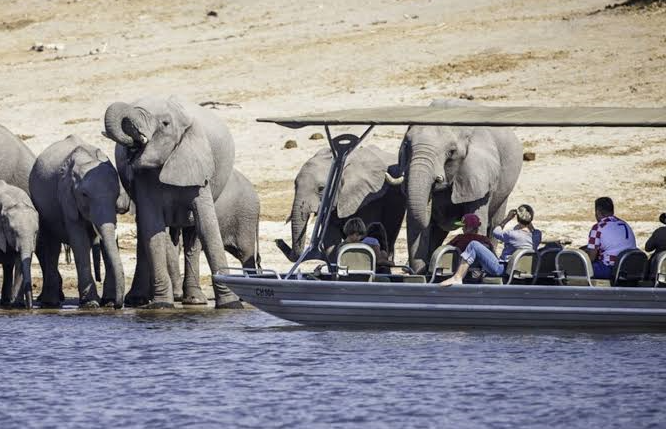
African Elephant: Samburu has a large and thriving elephant population, often seen bathing in and around the Ewaso Ng’iro River.
What Are The Five Specials Of Samburu National Reserve Park
- Reticulated Giraffe; This is one of the most striking animals in the reserve. The reticulated giraffe is known for its beautiful coat, which features a network of large, polygonal, reddish-brown patches separated by clean, creamy-white lines. This pattern is unique to each individual, like a human fingerprint. They are the tallest land mammals and are browsers, that use their long necks to reach leaves from high trees.
- Grevy’s Zebra; The Grevy’s zebra is the largest and most endangered of all zebra species. It is easily distinguished from other zebras by its narrow, “pin-striped” pattern, a white belly, and large, rounded ears. Unlike other zebra species, they do not form large, permanent herds; the strongest social bond is between a mare and her foal. They adapt well to arid conditions. They can survive for several days without drinking water.
- Gerenuk; Also known as the “giraffe-necked antelope,” the gerenuk is a truly unique sight. This slender antelope has an exceptionally long neck and limbs. It’s most famous behaviour is it’s ability to stand on it’s hind legs to reach the leaves of bushes and trees that other antelopes cannot. The name “gerenuk” comes from the Somali language that means “giraffe-necked.” They get all the moisture they need from their diet and do not need to drink water.
- Beisa Oryx; This is a handsome and hardy antelope with a pale grey coat and distinctive black and white markings on its face and legs. Moreover, both males and females possess long, straight, and sharp horns. These can grow up to 30 inches long. They are well-adapted to the harsh, dry climate and have the unique ability to raise their body temperature to avoid sweating and conserve water.
Somali Ostrich; Previously considered a subspecies of the common ostrich, the Somali ostrich was recognized as a distinct species in 2014. While similar to other ostriches, the males are particularly striking with their blue skin on the neck and thighs, that turns to a vibrant bright blue during the mating season. They prefer bushier habitats and are primarily browsers, feeding on a wide variety of plants.
Where To Stay In Samburu National Reserve National Park
There is a wide range of accommodation options, from luxury lodges to more budget-friendly camps. Moreover, these accommodations are located both inside and in adjacent private conservancies.
Here are some examples of the accommodations, from luxury to budget;
Luxury; Saruni Samburu Camp and Soroi Larsen’s Camp.
Mid Range; Samburu Sopa Lodge and Samburu Simba Lodge.
Budget; Samburu Game Lodge and Samburu Riverside Camp.