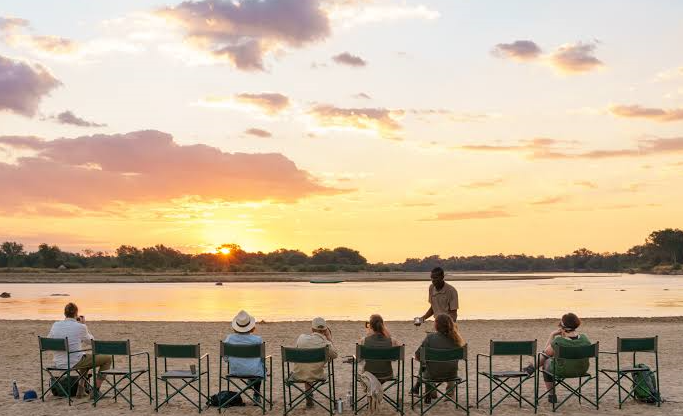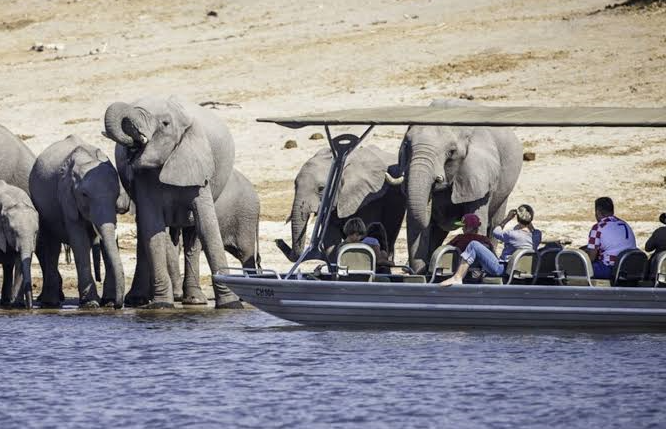
Uganda’s eco-tourism sector transforms standard vacations into profound journeys that unite travelers with the heart of nature and local heritage. By choosing this East African gem, you do more than observe; you actively fuel vital conservation efforts and foster community development. Consequently, every adventure serves as a bridge between environmental protection and cultural honors.
Whether you are trekking through ancient forests to encounter endangered primates or immersing yourself in the wisdom of indigenous tribes, your presence generates a tangible, positive impact. These sustainable travel initiatives ensure that Uganda’s pristine ecosystems remain vibrant for future generations. Ultimately, exploring the “Pearl of Africa” allows you to enjoy a world-class escape while championing the preservation of our planet’s most precious resources.
Wildlife and Nature Experience
Uganda offers a diverse array of eco-friendly wildlife encounters that extend far beyond its famous primates, weaving sustainability into every adventure. For instance, the Bigodi Wetland Sanctuary showcases the power of community-led tourism. As local guides lead you through lush trails to spot the Great Blue Turaco, your tour fees directly finance local schools and healthcare facilities. Consequently, this model transforms nature walks into a vital lifeline for both the ecosystem and the people who protect it.
For birding enthusiasts, Uganda serves as a premier birdwatching destination boasting over 1,000 species. Whether you are navigating the Mabamba Swamp in search of the prehistoric Shoebill Stork or exploring Queen Elizabeth National Park, expert local scouts enhance your journey. These specialists use their deep environmental knowledge to provide world-class sightings while securing sustainable livelihoods. Furthermore, many operators now utilize solar-powered boats on the Kazinga Channel, allowing you to observe hippos and crocodiles in silence without polluting their aquatic habitats.
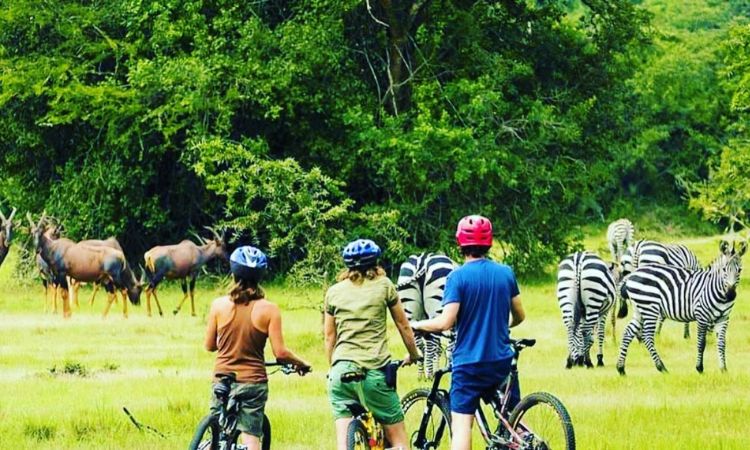
Responsible tourism also thrives during traditional game drives and intimate walking safaris in Murchison Falls. By adhering to carefully managed routes, these excursions minimize environmental footprints while fostering a deep appreciation for the savannah. Additionally, agro-tourism initiatives around Mount Elgon bridge the gap between agriculture and conservation. By visiting organic coffee farms and beekeeping projects, you support communities that choose forest-friendly livelihoods over deforestation. Ultimately, these diverse experiences prove that traveling through Uganda can educate the soul while actively regenerating the landscape.
Primate Trekking and Habituation
Uganda’s primate encounters serve as the cornerstone of its eco-tourism success, seamlessly blending high-stakes adventure with vital wildlife protection. Most notably, gorilla trekking in Bwindi Impenetrable and Mgahinga National Parks offers a gold standard for sustainable travel. By limiting groups to just eight visitors for one hour per day, conservationists minimize stress on endangered mountain gorillas while maintaining a high-quality experience. Furthermore, your permit fees directly fund anti-poaching patrols and community infrastructure, ensuring that local residents thrive alongside the wildlife they protect.
In addition to gorillas, chimpanzee tracking provides a high-energy immersion into Uganda’s lush rainforests. Destinations like Kibale Forest National Park allow you to follow the vocal calls of these primates through the canopy, where you can witness their complex social structures firsthand. If you seek a deeper connection, chimpanzee habituation programs offer full-day sessions that support critical primatology research. These activities do more than entertain; they create a financial shield for the forests, turning every traveler into a contributor to ecological research.
Beyond the well-known species, Uganda offers niche experiences like golden monkey tracking in the Virunga Mountains. These vibrant, rare primates benefit from specialized conservation efforts fueled entirely by tourism revenue. Meanwhile, the Ngamba Island Chimpanzee Sanctuary provides a unique look at wildlife rehabilitation. By visiting this sanctuary, you support the care of rescued orphans and aid in the fight against the illegal wildlife trade. Ultimately, whether you are trekking through the mist or visiting a sanctuary, your journey empowers local guides and trackers, proving that responsible primate tourism is the key to Uganda’s enduring biodiversity.
Cultural & Community Experience
Uganda’s eco-tourism model brilliantly integrates the country’s rich cultural heritage, ensuring that local communities thrive while preserving their ancient traditions. For example, the Batwa Cultural Trail near Bwindi and Mgahinga provides a deeply moving experience. Guided by Batwa elders, you discover traditional forest survival skills, medicinal plant knowledge, and spiritual rituals. Crucially, these tours provide sustainable livelihoods for the Batwa people, empowering a community historically displaced by conservation efforts.
In addition to forest traditions, community village walks offer a window into the authentic Ugandan way of life. As you engage with local families, you gain a firsthand understanding of traditional crafts and social structures. By visiting women’s cooperatives and artisan centers, you directly boost the local economy and support the production of handmade, sustainable goods. Consequently, your visit becomes a catalyst for financial independence and cultural pride within these rural areas.
For those seeking the ultimate connection, homestay programs allow you to live alongside Ugandan families for a truly immersive stay. This grassroots approach ensures that tourism revenue flows directly into the pockets of the hosts, fostering genuine friendships and cross-cultural understanding. Furthermore, vibrant cultural performances keep Uganda’s artistic legacy alive through energetic music and dance. Ultimately, by participating in these cultural exchanges, you help safeguard Uganda’s diverse heritage and ensure its traditions continue to flourish for generations to come.
Responsible tourism Practices
To fully embrace eco-tourism in Uganda, your decisions as a traveler play a vital role in protecting the “Pearl of Africa.” By selecting responsible operators like Rosamy Africa Safaris Tours & Travel Ltd , you guarantee that your investment supports both high-level conservation and grassroots community development. Furthermore, staying at sustainable eco-lodges that utilize renewable energy and water conservation practices significantly reduces your environmental footprint. These establishments also empower the local economy by providing fair employment to nearby residents, ensuring that your stay benefits the people who call these landscapes home.
Beyond choosing the right partners, you can enhance your impact by supporting local businesses through the purchase of authentic crafts and regional cuisine. At the same time, practicing responsible travel habits, such as eliminating single-use plastics and strictly following park guidelines, safeguards Uganda’s fragile ecosystems from degradation. These small but deliberate actions ensure that the country’s natural and cultural treasures remain vibrant for future generations to enjoy.
Ultimately, eco-tourism in Uganda transforms a simple vacation into a powerful journey of shared responsibility. Every step you take, whether through a misty rainforest or a sun-drenched savannah, contributes to a larger narrative of resilience and environmental stewardship. By traveling with intention, you do more than see the world; you actively help preserve it.