Zimbabwe is, without doubt, one of Africa’s most rewarding safari destinations. Yet it remains wonderfully uncrowded compared to East Africa or South Africa. That means you get exclusive game drives, intimate wildlife encounters, and landscapes that feel entirely your own.
Furthermore, Zimbabwe’s national parks are exceptionally well managed. Conservation efforts here are world-class, and the rangers and guides, many of them born and raised in the bush, bring the wild to life in a way that no documentary ever could.
The country also punches well above its weight when it comes to wildlife diversity. The Big Five, lion, leopard, elephant, buffalo, and rhino, are all present. So are wild dogs, cheetahs, giraffes, zebras, and over 500 bird species that make birdwatchers weep with joy.
Additionally, Zimbabwe is genuinely welcoming. The warmth of its people is something every traveller mentions. You leave not just having seen Africa, but having felt it.
9-Day Classic Zimbabwe Safari Itinerary: Day by Day
Day 1 – Arrival in Victoria Falls: Welcome to the Smoke That Thunders
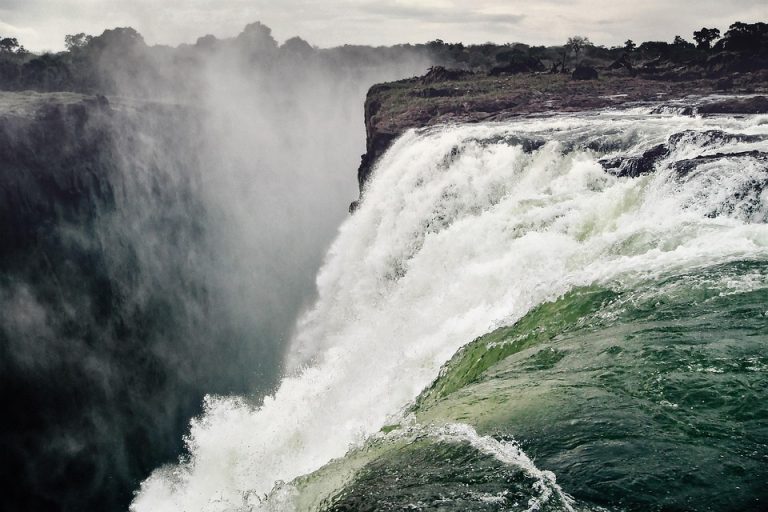
You land at Victoria Falls International Airport and the adventure begins immediately. The name “Victoria Falls” comes from the Kololo people, who called it Mosi-oa-Tunya — “The Smoke That Thunders.” Standing before it for the first time, you’ll understand why.
Your driver meets you at the airport and whisks you to your lodge, a beautifully appointed property just minutes from the falls. After settling in, take a late-afternoon stroll along the rainforest path that lines the gorge’s edge. The mist soaks you instantly, rainbows arc across the spray, and the sound is something between a waterfall and an earthquake.
This evening, enjoy a welcome dinner at the lodge. Your guide briefs you on the adventure ahead.
Accommodation: Pioneers Victoria Falls Lodge or similar luxury lodge
Meals: Dinner
Day 2 – Victoria Falls: Adventure Capital of Africa
Today is yours to explore one of the world’s most awe-inspiring natural wonders. Victoria Falls is a UNESCO World Heritage Site — and standing at the edge of the 1.7-kilometre-wide curtain of water dropping 108 metres into the Zambezi Gorge, you understand the designation entirely.
This morning, join a guided tour of the falls themselves, walking the misty pathways to the best viewpoints. Afterwards, the day opens up for optional activities:
- White-water rafting on the Zambezi River — grade 5 rapids, not for the faint-hearted
- Helicopter flight over the falls — the “Flight of Angels”
- Sunset river cruise on the upper Zambezi, with hippos, crocodiles, and elephants on the banks
- Bungee jumping off the Victoria Falls Bridge (if adrenaline is your love language)
In the afternoon, visit the Victoria Falls Wildlife Trust, a remarkable organisation rescuing and rehabilitating injured and orphaned wildlife. You may get to meet some of their current animal residents.
Accommodation: Pioneers Victoria Falls Lodge or similar
Meals: Breakfast, Lunch, Dinner
Day 3 – Transfer to Hwange National Park: Into the Wild
After breakfast, a scenic road transfer (approximately 2.5 hours) takes you southeast to Hwange National Park. The landscape shifts around you, the last suburbs of Victoria Falls give way to mopane woodland, open grassland, and then the classic African bush.
Hwange is Zimbabwe’s largest national park, covering over 14,600 square kilometres. Historically, it served as the royal hunting grounds of Ndebele warrior-king Mzilikazi in the early 19th century before being proclaimed a national park in 1929. Today, it’s one of Africa’s greatest wildlife sanctuaries.
You arrive at your tented camp, set deep inside the park, overlooking an active waterhole, in time for lunch. After a rest, your first game drive begins in the late afternoon, when the golden light is perfect and the animals are most active.
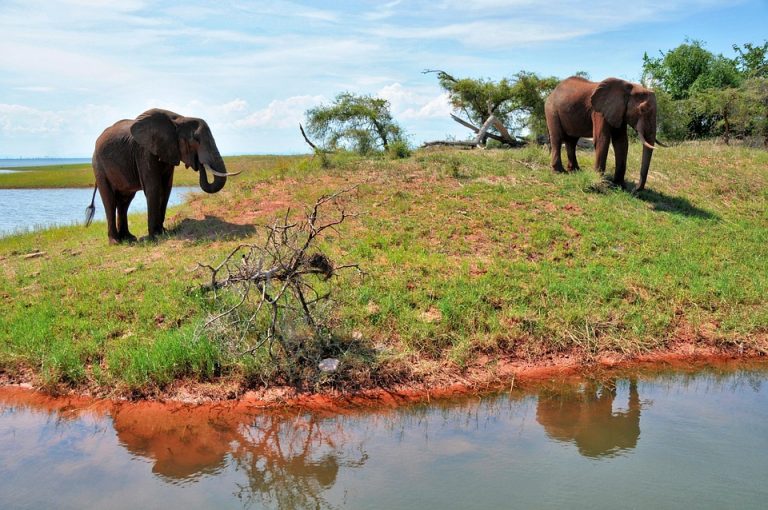
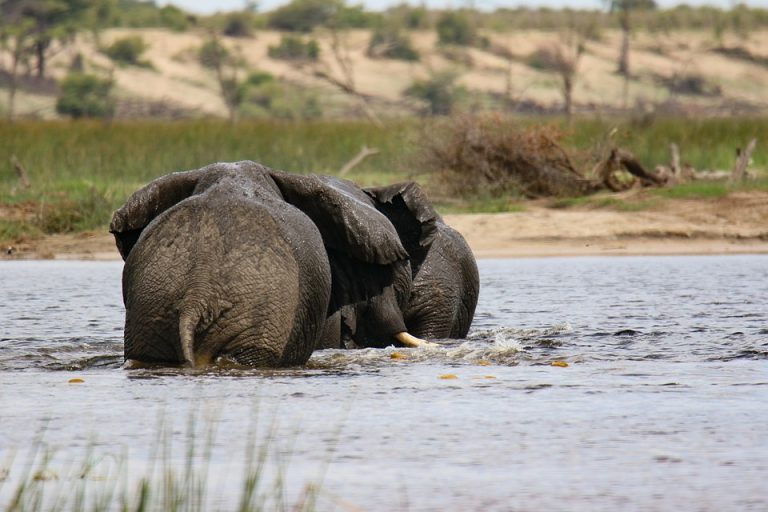
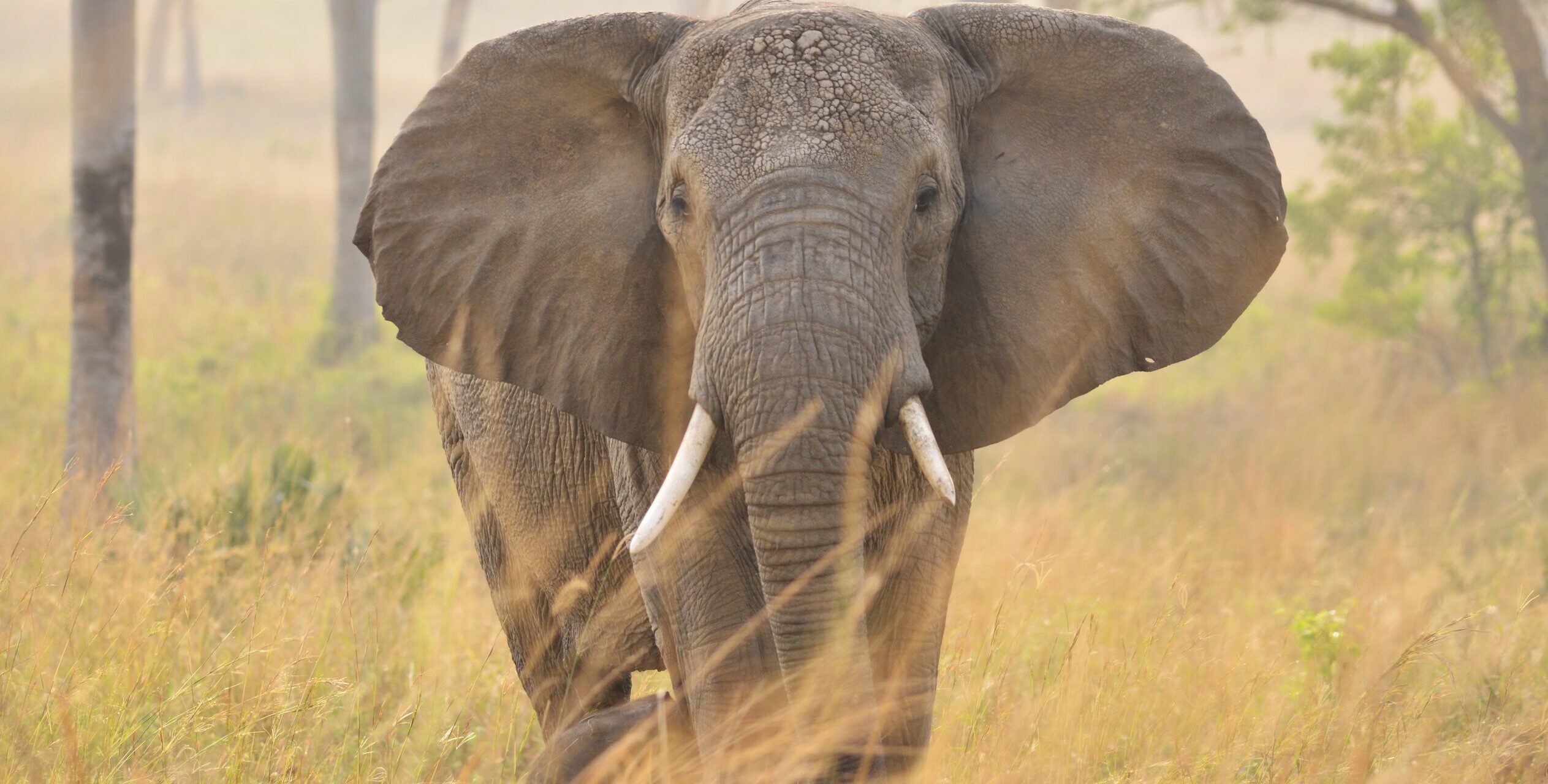
You don’t have to wait long. Elephants, Hwange is famous for hosting one of the largest elephant populations on earth, materialise from the treeline like grey ghosts, heading for the waterhole in their dozens.
Accommodation: Luxury tented safari camp, Hwange
Meals: Breakfast, Lunch, Dinner
Day 4 – Hwange National Park: The Big Five and Beyond
Wake before dawn. Your guide has tea and rusks ready. Then you’re out in the open 4×4 as the African sky shifts from black to pink to gold.
Hwange is exceptional. The park is home to over 100 species of mammals and nearly 400 bird species. Today you’ll spend the full day exploring it, morning and afternoon game drives with a midday break at the lodge.
The wildlife encounters here are extraordinary. Lions rest in the shade of acacia trees. Leopards drape themselves across branches. Buffalo move in great dark herds across the pan. And the wild dogs, one of Africa’s most endangered predators, are seen here more reliably than almost anywhere else on the continent.
In the evening, watch the waterhole from your lodge deck. As the sun goes down, the parade of animals coming to drink is something you simply cannot put into words.
Accommodation: Luxury tented safari camp, Hwange
Meals: Breakfast, Lunch, Dinner
Day 5 – Hwange: Walking Safari and Birdwatcher’s Paradise
This morning, trade the vehicle for your own two feet. A guided walking safari in Hwange is an entirely different experience from a game drive. Suddenly you notice everything , the tracks in the sand, the broken branch, the alarm call of a francolin overhead. Your guide reads the bush like a language, and you begin to hear it too.
Walking safaris in Hwange can bring you within breathtaking proximity to wildlife. Your guide manages distance and safety with calm expertise honed over years in the field.
The afternoon is dedicated to birdwatching. Hwange’s birdlife is staggering, from the lilac-breasted roller to the African fish eagle, from the martial eagle to the Southern ground hornbill. Bring binoculars. You’ll use them constantly.
Accommodation: Luxury tented safari camp, Hwange Meals: Breakfast, Lunch, Dinner
Day 6 – Hwange to Bulawayo: Gateway to Ancient Zimbabwe
Today you leave the bush and drive to Bulawayo, Zimbabwe’s second-largest city, roughly four hours south. En route, your guide points out the changing vegetation as you move from the sandy lowveld of Hwange toward the granite-studded Matabeleland.
Bulawayo is a city with deep colonial history and vibrant modern energy. Stop for a walk through the wide, jacaranda-lined streets, and visit the Natural History Museum of Zimbabwe, home to one of Africa’s finest natural history collections. The Bulawayo Railway Museum is also worth a quick detour — a reminder of this city’s once-pivotal role in the region’s rail history.
By late afternoon, you arrive at your camp on the edge of Matobo National Park, just 45 minutes south of Bulawayo.
Accommodation: Camp Amalinda or similar lodge, Matobo
Meals: Breakfast, Lunch, Dinner
Day 7 – Matobo National Park: Tracking Rhino on Foot
Matobo is unlike anywhere else on earth.
The landscape here is ancient, billions of years old. Vast rounded granite boulders, called kopjes, are stacked impossibly atop one another like the sculptures of a giant. The San people painted on these rocks thousands of years ago, and their art is still vivid today, depicting animals, hunters, and rituals that speak across millennia.
But the highlight of Matobo is something that happens on foot, in silence, with your heart in your mouth: white rhino tracking.
Accompanied by expert guides and armed rangers, you follow the spoor of rhinos through the bush until, suddenly, you’re standing ten metres from one of Africa’s most endangered animals. It’s a moment that reduces grown men and women to tears. The rhino grazes, unbothered. You barely breathe.
This afternoon, visit World’s View, the breathtaking hilltop where Cecil Rhodes is buried, offering panoramic views across the sea of kopjes in every direction.
Accommodation: Camp Amalinda or similar lodge, Matobo
Meals: Breakfast, Lunch, Dinner
Day 8 – Matobo: San Rock Art, Ndebele Culture, and Final Game Drives
Your last full day in the wilderness begins with a guided tour of Matobo’s extraordinary San rock art sites. The paintings here, depicting eland, kudu, lion, and human figures, are among the finest examples of prehistoric art in southern Africa.
In the afternoon, visit a nearby Ndebele village. Meet the community, listen to their stories, and gain a perspective on Zimbabwe that goes far beyond the safari vehicle. The Ndebele people have a rich tradition of art and craftsmanship, and many travellers leave with a handmade souvenir and a deep respect for their hosts.
One final game drive rounds off the evening, your last chance to watch the African sunset paint the kopjes gold.
Accommodation: Camp Amalinda or similar lodge, Matobo
Meals: Breakfast, Lunch, Dinner
Day 9 – Departure: The Safari That Will Follow You Home
After a final leisurely breakfast, transfers take you back to Bulawayo Airport for your onward flight.
You leave Zimbabwe quieter than you arrived. Carrying something you didn’t pack, a lion sighting at dawn, the sound of the falls, the weight of a rhino’s gaze, the laughter of children in a village.
The 9-Day Classic Zimbabwe Safari Package doesn’t just show you Africa. It changes the way you see the world.
Practical Travel Tips for Your Zimbabwe Safari
Best Time to Visit Zimbabwe
Zimbabwe is a year-round destination, but the dry season from May to October is considered prime safari time. Water sources shrink, animals concentrate around waterholes, and vegetation thins — making wildlife far easier to spot. July through September is peak season.
The green season (November to April) brings lush landscapes, newborn animals, and excellent birdwatching , and significantly lower rates.
Visa Information
Most international visitors can obtain a Zimbabwe visa on arrival at Victoria Falls International Airport or Harare International Airport. A single-entry visa costs USD $50 for most nationalities. A KAZA UniVisa (USD $50) covers both Zimbabwe and Zambia for 30 days , excellent value if you plan to cross into Zambia to see the falls from both sides.
Always check your country’s specific requirements with the Zimbabwe Embassy before travel.
What to Pack for a Zimbabwe Safari
- Neutral-coloured lightweight clothing (khaki, olive, beige — avoid blue and black)
- Wide-brimmed hat and UV-protection sunglasses
- High-SPF sunscreen
- Insect repellent containing DEET
- Comfortable walking shoes and sandals
- A warm fleece or jacket (mornings and evenings can be cold, even in summer)
- Quality binoculars
- Camera with zoom lens and extra memory cards
- Personal medications and a basic first aid kit
Health and Safety Advice
- Malaria: Zimbabwe is a malaria zone. Consult your doctor at least six weeks before travel about anti-malarial prophylaxis.
- Vaccinations: Yellow fever vaccination is required if arriving from a yellow fever endemic country. Hepatitis A and Typhoid are also recommended.
- Water: Drink bottled or filtered water only.
- Wildlife safety: Always follow your guide’s instructions. Never exit the vehicle without permission during game drives.
- Travel insurance: Comprehensive travel insurance including emergency medical evacuation is strongly recommended.
Start Planning Your 9-Day Classic Zimbabwe Safari Package Today
Zimbabwe is waiting.
The elephants are at the waterhole. The falls are roaring. The rhinos are moving through the kopjes of Matobo. And somewhere out on the Hwange plains, a wild dog pack is beginning the morning hunt.
This is not a package holiday. This is a journey into the heart of Africa, the kind that resets you, the kind that becomes the story you tell for the rest of your life.
Book Your 9-Day Classic Zimbabwe Safari Package Now →
Or contact our safari specialists for a personalised quote and itinerary tailored to your travel dates, group size, and budget. We’re here to make your African dream a reality.